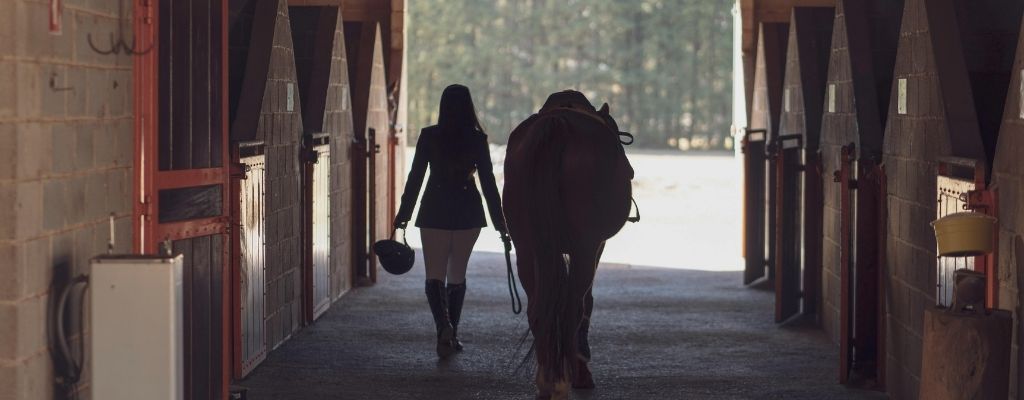
Equine properties can be demanding environments. Concrete may have to cope with horses, heavy machinery, horseboxes, constant foot traffic, water, mud, manure and regular cleaning. That means the best concrete for an equine property needs to be durable, practical and appropriate for exactly where it is being used.
You won’t be using one concrete mix across the entire property. It’s worth noting that a stable floor, for example, has different demands from an access area regularly used by tractors and loaded horseboxes.
✅ Order ready-mix or volumetric concrete today
✅ Free, fast quote within 24 hours
✅ Call, message or complete our simple online form
Flowmix Tewkesbury: Tel: 01684 217888 Flowmix Walsall: Tel: 01922 741731
Where the Concrete is Used on an Equine Property
Concrete is popular with equestrian properties because it creates a firm, durable surface that is much easier to keep clean than bare ground or heavily trafficked stone.
Common applications include walkways, stable floors and yards, hardstanding areas, horse walkers, wash-down areas, feed and tack rooms, barns and storage buildings and access areas for horseboxes and agricultural vehicles
Always consider the intended use of the area before choosing a concrete specification.
What Makes Concrete Suitable for an Equine Property?
Equestrian properties put concrete through considerably more punishment than the average garden path. Choosing the best concrete for an equine property must incorporate the following factors.
Strength And Durability
Depending on the property, the concrete may regularly carry tractors, trailers, loaders, horseboxes and feed delivery vehicles. The concrete therefore needs to be suitable for the loads it will experience.
Resistance To Everyday Wear
Hooves, machinery, sweeping, pressure washing and general yard traffic can gradually wear down unsuitable surfaces. Choosing concrete designed for the environment helps create a surface that can stand up to years of regular use.
Water And Contaminants
Stable floors and yards are regularly exposed to water, urine, manure and cleaning products. Wash-down areas obviously experience even greater levels of moisture.
Take this into account when choosing both the concrete and the surface finish.
A Suitable Finish
A smooth concrete surface isn’t the ideal scenario around horses, because good grip is essential, especially since most horses wear steel shoes.
The finish should suit the area and how it will be used, particularly where horses will regularly walk across the concrete or where the surface may become wet.
Need Expert Advice?
Want help choosing the best concrete for an equine property? Speak to the team at Flowmix Tewkesbury, Gloucestershire or Aldridge, Walsall. We are happy to help with all your concrete requirements. Contact us by email or telephone.
Flowmix Tewkesbury: Tel: 01684 217888 Flowmix Walsall: Tel: 01922 741731
Best Concrete Mix for Stables and Stable Yards
A stable floor used primarily by horses has different requirements from an external yard carrying tractors and horseboxes. Consider exposure to weather, drainage, expected loads, and the proposed surface finish.
Agricultural-grade concrete is commonly used for demanding farm and equestrian applications because it is designed to cope with tougher working environments.
Fibres may be added into concrete for certain applications to help control cracking and improve the finished slab’s performance.
If you’re unsure what you need, it’s worth discussing the intended use for the area with the Flowmix team.
Concrete for Stable Floors
Concrete makes an excellent structural floor for horse stables. It provides a solid, durable base that can be swept, washed and disinfected far more easily than an unsealed or earth floor.
- Drainage is important. Floor design matters so that water doesn’t simply sit on the surface.
- The finish matters. An excessively smooth finish may become slippery, particularly when wet.
Think about what will go on top of the concrete, such as rubber stable mats and bedding, which can provide a more comfortable surface for the horse.
Planning these details before the concrete is poured is considerably easier than trying to correct them afterwards.
Concrete for Stable Yards and Walkways
Anyone who has dealt with a busy horse yard through a wet British winter knows how quickly high-traffic areas can turn into slushy mud.
A properly constructed concrete yard provides a firm, usable surface year-round and makes everyday jobs such as sweeping, mucking out, and moving equipment considerably easier.
Again, think about everything that will use the area.
If tractors, trailers or loaded horseboxes will regularly cross the yard, the slab needs to be designed accordingly. The requirements may differ greatly from those of a pedestrian walkway between stables.
Wash-Down Areas
A dedicated wash-down area is where concrete works well by creating a hard-wearing surface that can handle regular water exposure and is easy to keep clean. The finished surface should direct water toward the intended drainage point. A suitable textured finish can provide additional grip when the area is wet.
How Thick Should Concrete Be on an Equine Property?
There isn’t a universal concrete thickness for an entire equestrian property. The required slab thickness depends on factors including ground conditions, sub-base, expected loads, and the area’s intended use.
For example, an area carrying heavy agricultural machinery, such as large tractors, may require a different specification from an internal stable floor.
Trying to save money by under-specifying a heavily trafficked area can become considerably more expensive if the concrete later cracks or fails.
Preparing the Ground Before the Concrete Arrives
Even the best concrete for an equine property won’t compensate for poor preparation underneath it. A stable base is essential.
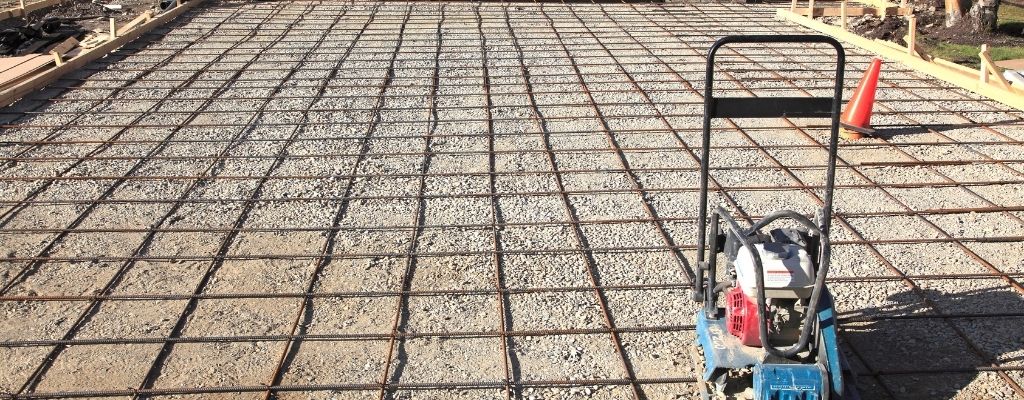
Typically, the area will need to be excavated to the required depth before a suitable sub-base is installed and properly compacted. Formwork can then be positioned to create the required shape, depth and falls.
Depending on the application, you may also need a membrane.
Essentially, a good concrete yard starts underneath the concrete. Spending time getting the groundwork right gives the finished slab the best chance of performing properly for years to come.
Don’t Forget About Drainage
Drainage deserves particular attention on an equine property. Between British weather, washing horses and cleaning stable areas, there can be a lot of water to deal with.
If a concrete surface is laid completely flat or with poorly planned falls, water can end up sitting in inconvenient places, creating slippery spots, making it harder to clean, and becoming icy in freezing conditions.
Planning Your Equine Concrete Pour
Before ordering concrete, it’s worth running through the entire job from the concrete lorry’s point of view.
Can the vehicle access the property easily? How close can it get to the pour? Is the sub-base completely prepared? Is the formwork finished? Have you established the required falls and drainage? Is there enough labour available to place and finish the concrete?
You should also have accurate area measurements.
The more preparation you do beforehand, the smoother the actual pour is likely to be.
Concrete for Equestrian Properties in Gloucestershire & the West Midlands
Whether you’re laying new stable floors, planning to concrete a muddy yard, create hardstanding, installing a wash-down area, or preparing a surface for vehicles and equipment, the Flowmix team can help you choose the best concrete for an equine property.
Need Concrete for Your Equine Property?
Choosing the best concrete for an equine property starts with understanding what you’re building and how you’ll use it.
Tell the Flowmix team about your project, the area you’re concreting and what the finished surface will need to cope with. We can help you choose the best concrete for an equine property and estimate how much you’ll need.
Planning an equestrian concrete project? Contact Flowmix today to discuss your requirements.
How Flowmix Can Help with Your Project
Flowmix has two plants, Gloucester and Walsall. We provide the following services (with time slots):
✅ Ready-mix concrete, mix on-site (volumetric concrete)
✅ Traditional and liquid screed.
✅ Concrete line pump Hire to reduce manual labour and associated costs, increase efficiency, reduce wastage and clean up.
✅ Interlocking concrete blocks for temporary or permanent barriers.
✅ Mini-Mix loads up to 4 cubic metres.
Flowmix holds the BSA-approved Ready Mix Concrete Kitemark KM683844, a certification that “confirms a product or service’s claim has been independently and repeatedly tested by experts” (source BSI).
Flowmix Tewkesbury: Tel: 01684 217888 Flowmix Walsall: Tel: 01922 741731
Flowmix Delivery Areas
| Tewkesbury | Walsall Plant |
| Bourton-on-the-Water | Aldridge |
| Brockworth | Barton-Under-Needwood |
| Chalford | Birmingham |
| Cheltenham | Brownhills |
| Chipping Campden | Burntwood |
| Cirencester | Burton Upon Trent |
| Droitwich Spa | Cannock |
| Evesham | Coleshill |
| Gloucester | Dudley |
| Great Malvern | Great Haywood |
| Ledbury | Lichfield |
| Newent | Norton Canes |
| Northleach | Penkridge |
| Pershore | Rugeley |
| Ross-on-Wye | Stafford |
| Stow-on-the-Wold | Tamworth |
| Stroud | Walsall |
| Tewkesbury | West Bromwich |
| Worcester | Wolverhampton |