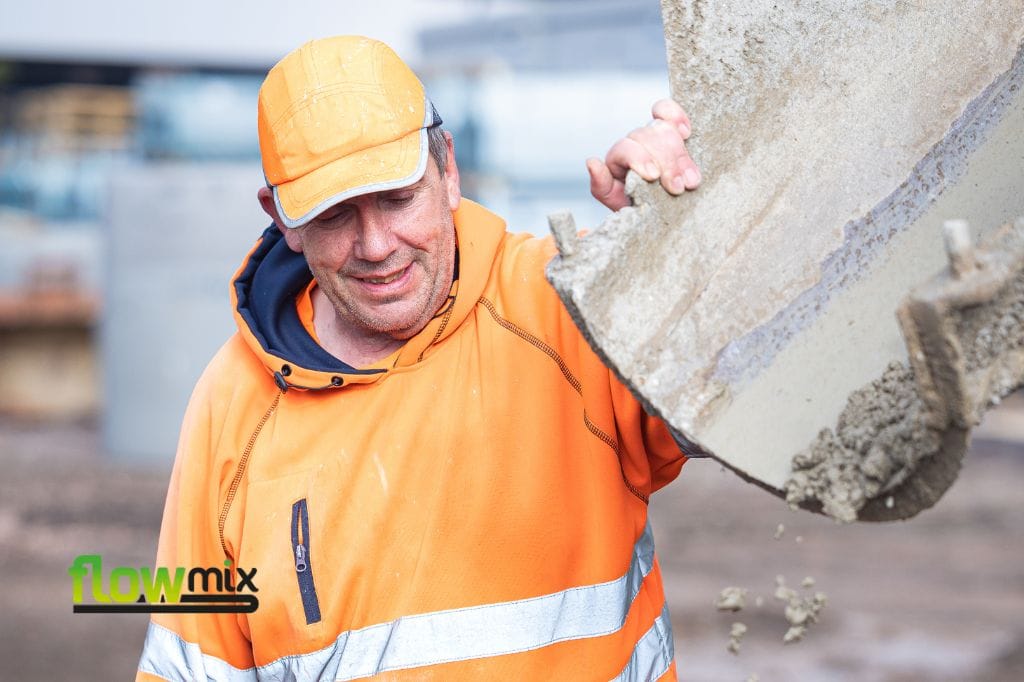
Concrete pouring dangers? What are they and why do they matter?
Concrete is one of the most popular building materials because it’s strong and long-lasting. Still, those same qualities mean that if something goes wrong during mixing or pouring, the mistakes can be pretty obvious and tricky to fix.
If you’re considering tackling a concrete project yourself, having the proper knowledge, skills, and tools is vital before starting. A little planning goes a long way! To help you out, we’ve compiled a list of common mistakes to watch out for so you can avoid them from the start.
✅ Order ready-mix or volumetric concrete today
✅ Free, fast quote within 24 hours
✅ Call, message or complete our simple online form
Flowmix Tewkesbury: Tel: 01684 217888 Flowmix Walsall: Tel: 01922 741731
Whether you’re pouring a driveway, patio, or another concrete surface, doing your research beforehand is key. DIY concrete work can lead to structural, aesthetic, and even safety issues if not done correctly. So before you get started, here’s what you need to know—and when it might be best to call in a pro.
Pouring Concrete Yourself: What Can Go Wrong?
What can go wrong if you’re pouring concrete yourself? Well, quite a bit if you haven’t adequately prepared. Concrete pouring dangers, such as improper mixing, curing issues, or structural weaknesses, can lead to serious problems down the line.
Working with concrete takes knowledge, skill, and careful planning, unlike spreading gravel, laying pavers, or even pouring asphalt. You also need the right materials, tools, and equipment to complete the job.
Don’t let that put you off. Many DIYers successfully pour concrete armed with the proper research and commitment. If you plan to take on the challenge, here are some common mistakes to avoid and key factors to consider before you start.
Need Expert Advice?
Speak to the team at Flowmix Tewkesbury or Walsall. We are happy to help with all your concrete requirements.
Flowmix Tewkesbury: 01684 217888 Flowmix Walsall: Tel: 01922 741731
#1: Inadequate Preparation
One of the biggest mistakes in pouring concrete yourselfis inadequate preparation. Many DIYers assume that preparing the ground is as simple as excavating the area and removing plants and stones. However, that isn’t enough to create a strong foundation to resist cracking, crumbling, or shifting as the soil settles.
It’s essential to properly level and compact the ground to avoid concrete pouring dangers. Also, building sturdy forms is necessary to keep the concrete in place and ensure a smooth finish. Skipping these steps can lead to serious structural issues down the road.
#2: The Wrong Weather Conditions
The weather affects the ultimate success of a concrete pour. Extreme heat or cold, humidity, and wind can all impact the quality of the mix, the pouring process, and even the curing stage.
Extreme heat causes concrete to dry too quickly, leading to cracks, while cold weather can slow down curing and weaken the final structure. Even after the pour, concrete pouring dangers remain, as sudden rain or temperature drops can compromise the integrity of your project.
It’s also important to consider your area’s general climate since long-term exposure to moisture, freezing temperatures, or excessive heat can affect durability. So, adjusting your mix to weather conditions is essential.
#3: Getting the Water-to-Cement Ratio Wrong
One of the most common mistakes in DIY concrete projects is adding too much water to the mix. Many assume that a runnier mixture is easier to work with—and while that’s true, it comes at a cost.
Too much water weakens the concrete, making it more prone to cracking and reducing its long-term durability. On the other hand, if the mix is too thick, it can be difficult to pour and finish properly, leading to an uneven surface. Striking the right balance ensures the finished concrete’s strength, appearance and durability.
Read: Concrete Slump Test: What is it & Why Does It Matter?
Ready to Order Ready-Mix or Volumetric Concrete?
✅ Order ready-mix or volumetric concrete today
✅ Free, fast quote within 24 hours
✅ Call, message or complete our simple online form
Flowmix Tewkesbury: Tel: 01684 217888 Flowmix Walsall: Tel: 01922 741731
#4: Not Having the Right Tools for the Job
Working with concrete is highly time-sensitive—it starts setting soon after the concrete is poured, so having all the right tools on site is crucial. If you don’t, you risk the concrete hardening before you can properly shape or finish it, leading to a problematic and potentially expensive removal process.
If you don’t have the right tools for the job, it can lead to significant issues, such as an uneven surface, bumps, holes, or cracks. Concrete is heavy and challenging to work with, so strong, heavy-duty tools are an absolute must. To avoid last-minute scrambling, make sure you have everything prepared before you begin mixing.
Here are some essential tools you’ll need:
- Concrete mixer – Electric mixers are the most efficient for even mixing.
- Bull float – Helps flatten and smooth the wet surface.
- Magnesium float – Smooths out bumps and ensures a uniform finish.
- Large wheelbarrow – Makes transporting the concrete easier.
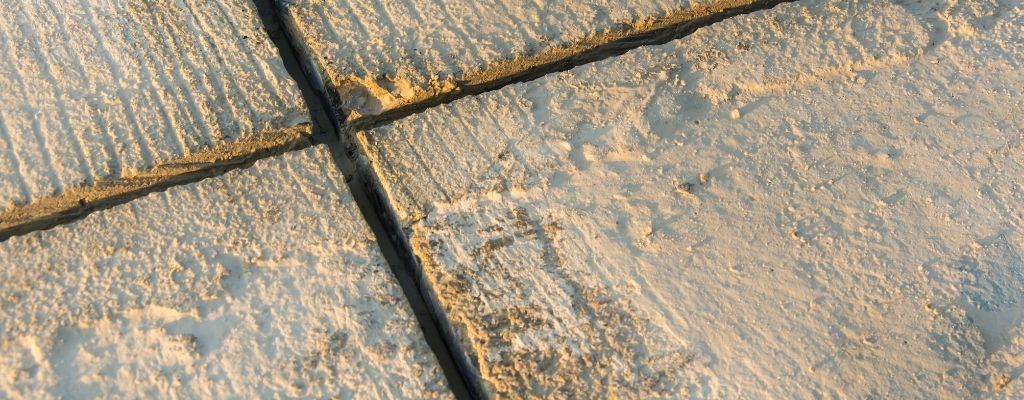
- Heavy-duty concrete groover – Essential for creating control joints to prevent cracking.
- Broom or concrete brush – Adds texture to the surface to prevent it from becoming too slippery.
Having the right tools on hand will make your concrete project much smoother and help ensure a durable, professional-looking result.
#5: Not Taking Safety Seriously
One of the biggest mistakes DIY concrete pourers make is overlooking safety precautions. While concrete is generally safe to work with, it’s best not to ignore potential concrete pouring dangers.
Exposure to cement dust can irritate your skin, eyes, and respiratory system, while prolonged contact with wet concrete can cause chemical burns. Additionally, handling heavy materials and equipment poses a risk of injury if you don’t use proper lifting techniques.
It’s essential to ensure you have the proper protective gear, such as:
- Safety goggles
- A dust mask
- Gloves
- Hearing protection if using loud equipment.
Taking the proper precautions ensures a smoother and safer concrete pouring process and helps you avoid the typical concrete pouring dangers.
When Should You Call Ready-Mix Concrete Professionals
While DIY concrete projects can be rewarding, sometimes the best way to ensure high-quality, durable, and visually appealing results is to hire a team of experienced professionals. You want to ensure you have the best mix so your concrete project looks good and lasts decades. Becoming aware of these concrete pouring dangers is essential for site safety.
Professional concrete suppliers like Flowmix have the knowledge and skills needed to tackle complex tasks, and they’re familiar with local conditions and your area’s climate, which can impact the outcome.
You should consider calling a concrete professional if you are:
- Unsure of what you want or need
- Have a specific or custom design, colour, or texture in mind
- Working with a slope or uneven ground
- Don’t have the right tools or equipment
- You have a tricky site (a concrete line pump can access a challenging pour site)
Conclusion: Concrete Pouring Dangers
Pouring concrete yourself can be a rewarding DIY project, but comes with various challenges and risks. Common mistakes include inadequate preparation, incorrect water-to-cement ratios, and not considering weather conditions, all of which can lead to structural and aesthetic issues.
Concrete pouring dangers like exposure to cement dust or mishandling heavy materials also pose health risks. It’s essential to have the right tools and equipment ready and to take safety precautions seriously.
At Flowmix, we help ensure your project succeeds by supplying the perfect concrete mix when and where you need it. Contact our experienced team for advice on your concrete project.
What’s more, when you use our ready mix concrete, you only order what you need, saving you time and money and the risk of too much concrete that you’ll have to waste resources on disposal.
How Flowmix Can Help With Your Project
Flowmix has two plants, Gloucester and Walsall. We provide the following services (with time slots):
✅ Ready-mix concrete, mix on-site (volumetric concrete)
✅ Traditional and liquid screed.
✅ Concrete line pump Hire to reduce manual labour and associated costs, increase efficiency, reduce wastage and clean up.
✅ Interlocking concrete blocks for temporary or permanent barriers.
✅ Mini-Mix loads up to 4 cubic metres.
Flowmix holds the BSA-approved Ready Mix Concrete Kitemark KM683844, a certification that “confirms a product or service’s claim has been independently and repeatedly tested by experts” (source BSI).
Flowmix Delivery Areas
| Tewkesbury | Walsall Plant |
| Bourton-on-the-Water | Aldridge |
| Brockworth | Barton-Under-Needwood |
| Chalford | Birmingham |
| Cheltenham | Brownhills |
| Chipping Campden | Burntwood |
| Cirencester | Burton Upon Trent |
| Droitwich Spa | Cannock |
| Evesham | Coleshill |
| Gloucester | Dudley |
| Great Malvern | Great Haywood |
| Ledbury | Lichfield |
| Newent | Norton Canes |
| Northleach | Penkridge |
| Pershore | Rugeley |
| Ross-on-Wye | Stafford |
| Stow-on-the-Wold | Tamworth |
| Stroud | Walsall |
| Tewkesbury | West Bromwich |
| Worcester | Wolverhampton |