Screed provides a smooth, level and durable surface for a wide range of flooring applications, but like any floor, it can accumulate dust, dirt and stains over time.
Knowing how to clean a screed floor correctly will help keep the surface in good condition and, if you’re planning to install a final floor covering, ensure it is properly prepared for the next stage of the project.
The right method depends on the type and condition of the screed, whether it’s being used as the finished surface, and what you’re preparing to put on top of it.
Here’s how to clean a screed floor without causing unnecessary damage.
✅ Order liquid screed today
✅ Free, fast quote within 24 hours
✅ Call, message or complete our simple online form
Flowmix Tewkesbury: Tel: 01684 217888 Flowmix Walsall: Tel: 01922 741731
What Is a Screed Floor?
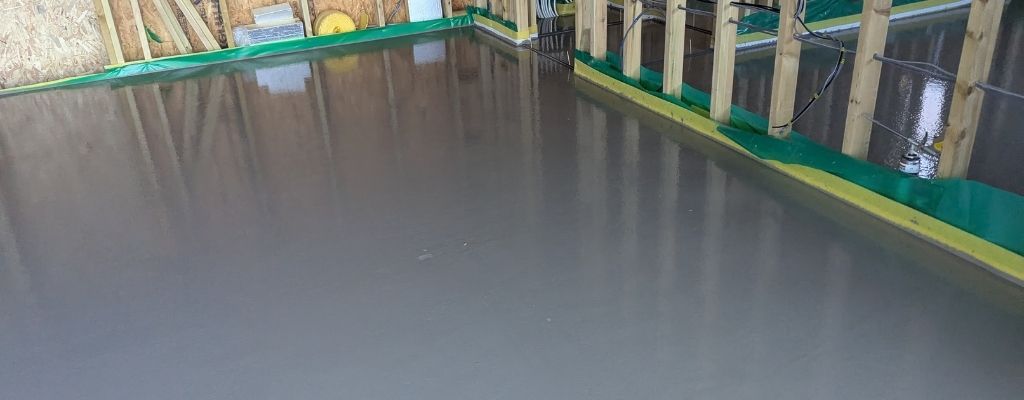
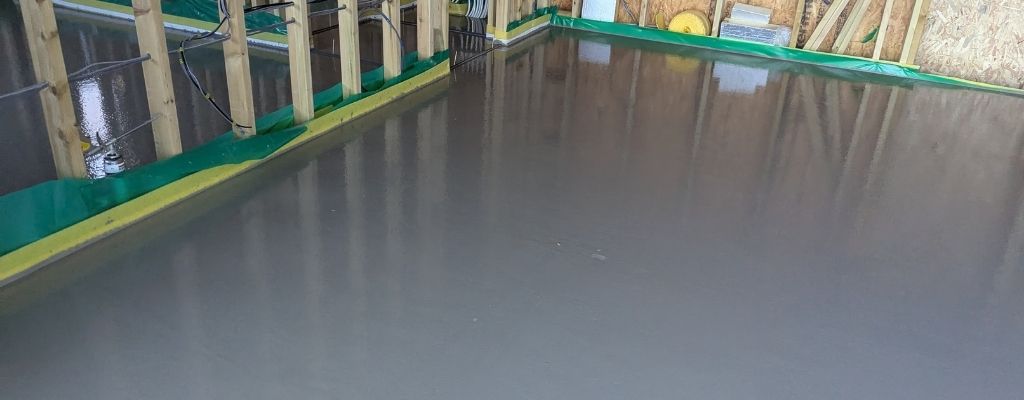
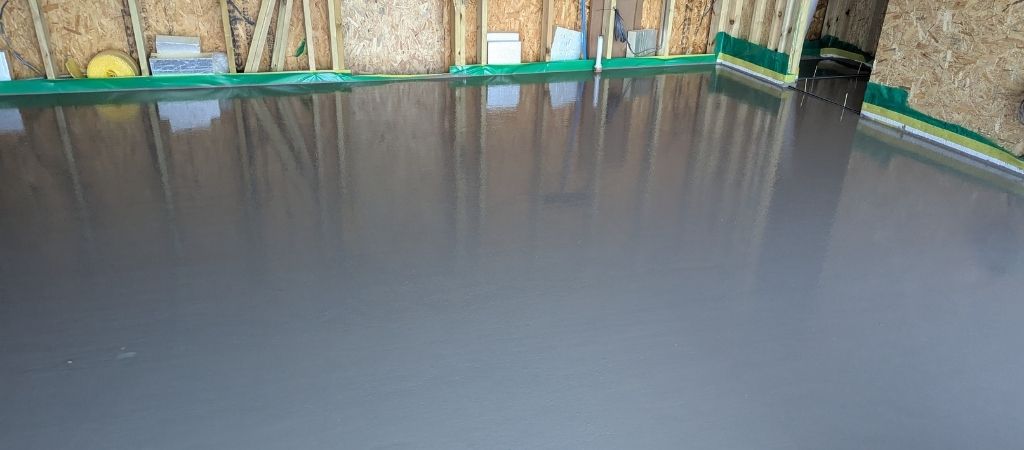
Floor screed is a layer of liquid material laid over a concrete base or other suitable substrate to create a smooth, level surface.
Depending on the project, screed may be used as a base for flooring such as tiles, carpet, vinyl or wood. It’s also commonly used alongside underfloor heating systems, particularly where flowing or liquid screed can surround the heating pipes.
Although screed is designed to create a strong surface, it still needs to be treated appropriately when cleaning and preparing it.
What You’ll Need to Clean a Screed Floor
You don’t usually need specialist equipment for routine cleaning. Depending on the condition of the floor, you may need:
- A mop
- Warm water
- Clean buckets
- A suitable vacuum cleaner
- Microfibre cloths or sponges
- A soft-bristled brush or broom
- Appropriate protective equipment
- A mild or pH-neutral floor cleaner suitable for the surface
Before using any cleaning product, check that it suits your particular type of screed. If you’re unsure, follow the screed manufacturer’s recommendations.
How to Clean a Screed Floor Step by Step
The key to cleaning screed is to work gradually rather than immediately reaching for lots of water or strong cleaning chemicals.
Step 1: Remove Loose Dirt and Debris
Start by removing as much loose material as possible.
Vacuum the floor thoroughly to pick up dust, grit and other debris. Pay particular attention to corners, edges and areas where building dust may have collected.
Where appropriate, use a soft brush to loosen stubborn debris before vacuuming.
Removing grit before mopping is important because dragging abrasive particles across the floor can mark or damage the surface.
Step 2: Deal With Spills and Stains
If you have localised marks or spills, tackle them individually before cleaning the entire floor.
Blot up fresh spills rather than spreading them. For older marks, use a suitable mild cleaning solution and work on a small area at a time.
Avoid automatically reaching for strong chemicals. Acidic or highly alkaline cleaners may affect cement-based surfaces and could cause discolouration or damage.
For particularly stubborn contamination, identify the cause before deciding how to remove it.
Step 3: Mop the Floor
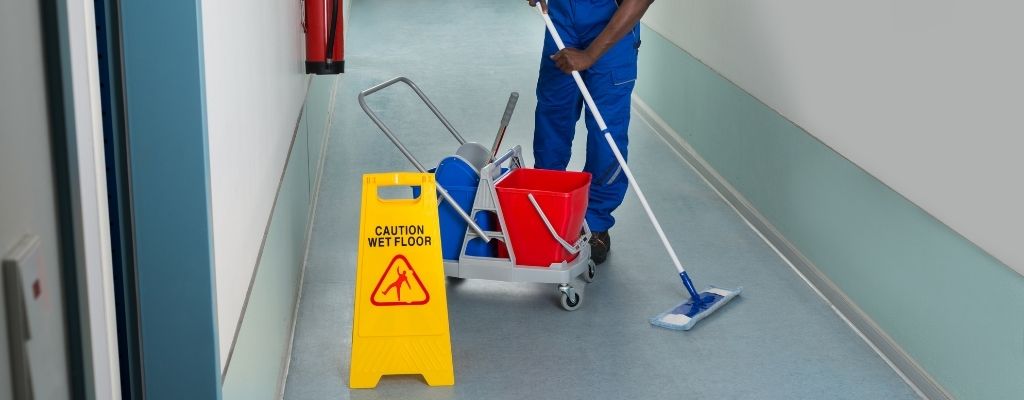
After removing loose debris and obvious stains, mop the floor if the screed type allows wet cleaning.
Use clean, warm water with a small amount of suitable floor cleaner if required. The mop should be damp, not soaking wet and work across the floor methodically. Change the water when it becomes dirty rather than spreading contaminated water over the rest of the surface.
Step 4: Remove Cleaning Residue
If the cleaning product requires rinsing, go over the floor again with clean water.
Cleaning residue left on the surface can attract more dirt and may cause problems if you’re preparing the screed for another flooring material.
Again, avoid unnecessarily saturating the floor.
Step 5: Allow the Floor to Dry Thoroughly
Once cleaning is complete, allow the screed to dry properly.
Good ventilation can help, but don’t rush the process by applying excessive direct heat unless the screed product permits it.
Drying is particularly important if you’re preparing the floor for tiles, wood, vinyl or another floor finish. The surface may look dry while still containing moisture, so carry out appropriate moisture testing before installing moisture-sensitive floor coverings.
Need Expert Advice?
Speak to the team at Flowmix Tewkesbury, Gloucestershire or Aldridge, Walsall. We are happy to help with all your concrete requirements. Contact us by email or telephone.
Flowmix Tewkesbury: Tel: 01684 217888 Flowmix Walsall: Tel: 01922 741731
How to Clean a Newly Laid Screed Floor
Newly laid screed needs different treatment from an established floor.
Don’t assume that because the surface feels hard enough to walk on, it’s ready to be washed or subjected to intensive cleaning.
The screed needs time to cure and dry according to its specification. The required period depends on factors including the type and thickness of the screed and the site conditions.
During this period, protect the floor from unnecessary dirt, spills and damage wherever possible.
Always follow the relevant guidance for the specific screed rather than applying a one-size-fits-all cleaning method.
How to Remove Dust from a Screed Floor
Dust is one of the most common problems when working with screed, particularly during construction.
A suitable vacuum cleaner is usually the most effective starting point because it removes dust rather than simply moving it elsewhere.
Work slowly across the entire surface, including around edges and corners.
Avoid using compressed air to remove dust from the floor, as it sends fine particles into the air, where they can be inhaled and eventually settle elsewhere.
If the screed continually produces excessive surface dust rather than just construction dust, it may indicate a problem with the surface itself. In that case, it’s worth establishing the cause before installing another floor covering.
Pressure Washing a Screed Floor
A pressure washer might seem like a quick way to clean a very dirty surface, but it usually isn’t necessary for routine screed cleaning.
High-pressure water can be too aggressive for some surfaces and introduces a significant amount of additional moisture. This is particularly important if you’re preparing the screed for a final floor covering, where moisture levels need to be controlled.
For an indoor screed floor, vacuuming followed by appropriate localised or damp cleaning will usually be a much more sensible approach.
If you’re dealing with an unusual level of contamination or an exposed screed in a demanding environment, seek advice for your screed type before using pressure-cleaning equipment.
Suitable Cleaning Products for Screed Floors
For general cleaning, start with the least aggressive option.
Warm water and a mild, pH-neutral cleaner suitable for the floor surface will be enough for many everyday cleaning jobs.
Avoid using bleach, acidic cleaners, strong alkaline products or solvent-based chemicals unless you know they’re suitable for the particular screed and the contamination you’re trying to remove.
Remember that not all screeds are the same. Products and methods appropriate for one type of screed may not suit another.
If in doubt, check the product specification or manufacturer’s recommendations before applying a chemical cleaner.
Cleaning Screed Before Laying Flooring
Cleaning becomes particularly important when the screed will receive a final floor covering.
The surface needs to be appropriately prepared for the flooring system you’re planning to install. Dust, dirt, grease, paint, plaster and other contaminants can interfere with adhesives, primers and other products applied to the screed.
Start by thoroughly removing loose debris and dust. Then deal with any contamination using a method suitable for both the screed and the flooring system.
Depending on the screed used, you may need additional surface preparation before installing a floor finish.
Most importantly, don’t assume that a clean screed is necessarily a dry screed.
Check the moisture level using an appropriate method before installing moisture-sensitive flooring. Always follow the screed and flooring manufacturers’ requirements.
How Often to Clean a Screed Floor
How often a screed floor needs cleaning depends largely on how it’s being used.
An exposed floor in a garage, workshop or working environment is likely to collect considerably more dirt than screed protected beneath a finished floor covering.
During construction, regularly remove loose debris to prevent grit and other materials from being walked into the surface.
For exposed screed, deal with spills promptly and remove loose dirt regularly, rather than letting heavy contamination build up.
If the screed is being prepared for another floor finish, clean it thoroughly as part of the preparation process immediately before the next stage of work.
Need Screed for Your Next Project?
A good, finished floor starts with the right screed underneath it.
Flowmix supplies high-quality screed for domestic, commercial and construction projects, with options available to suit a wide range of applications, including projects incorporating underfloor heating. We provide Cemfloor and Gyvlon liquid screeds and Traditional screed.
Our team can help you determine how much screed you need and discuss the most appropriate solution for your project.
Whether you’re working on an extension, renovation, new build or larger commercial project, we’ll help you get the right screed to site when you need it.
How Flowmix Can Help with Your Project
Flowmix has two plants, Gloucester and Walsall. We provide the following services (with time slots):
✅ Ready-mix concrete, mix on-site (volumetric concrete)
✅ Traditional and liquid screed.
✅ Concrete line pump Hire to reduce manual labour and associated costs, increase efficiency, reduce wastage and clean up.
✅ Interlocking concrete blocks for temporary or permanent barriers.
✅ Mini-Mix loads up to 4 cubic metres.
Flowmix holds the BSA-approved Ready Mix Concrete Kitemark KM683844, a certification that “confirms a product or service’s claim has been independently and repeatedly tested by experts” (source BSI).
Flowmix Tewkesbury: Tel: 01684 217888 Flowmix Walsall: Tel: 01922 741731
Flowmix Delivery Areas
| Tewkesbury | Walsall Plant |
| Bourton-on-the-Water | Aldridge |
| Brockworth | Barton-Under-Needwood |
| Chalford | Birmingham |
| Cheltenham | Brownhills |
| Chipping Campden | Burntwood |
| Cirencester | Burton Upon Trent |
| Droitwich Spa | Cannock |
| Evesham | Coleshill |
| Gloucester | Dudley |
| Great Malvern | Great Haywood |
| Ledbury | Lichfield |
| Newent | Norton Canes |
| Northleach | Penkridge |
| Pershore | Rugeley |
| Ross-on-Wye | Stafford |
| Stow-on-the-Wold | Tamworth |
| Stroud | Walsall |
| Tewkesbury | West Bromwich |
| Worcester | Wolverhampton |