
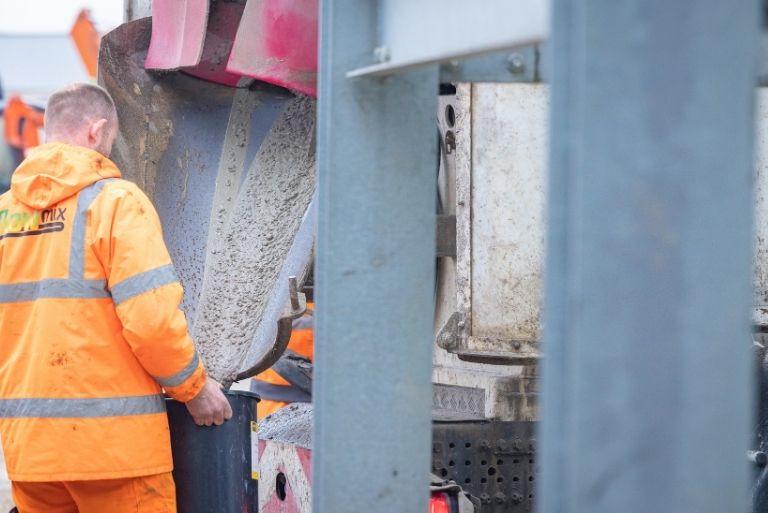
In modern construction, innovation is about building smarter, stronger, and more efficiently. One material that’s quietly reshaping the industry is lightweight concrete. Despite its reduced weight, this clever mix delivers surprising strength, excellent insulation, and a range of practical benefits, making it ideal for today’s projects.

At Flowmix, we’ve seen growing demand for lightweight concrete from customers seeking more sustainable, versatile solutions without compromising performance.

Order ready-mix or volumetric concrete today
Free, fast quote within 24 hours
Call, message or complete our simple online form

Flowmix Tewkesbury: 01684 217888 Flowmix Walsall: Tel: 01922 741731

What Exactly Is Lightweight Concrete?

In simple terms, it’s a type of concrete made with lighter aggregates rather than traditional gravel or crushed stone. These can include expanded clay, shale, pumice, or even polystyrene beads, which create tiny air pockets within the mix. The result is a material that weighs far less than conventional concrete but still maintains a solid structure.

There are several varieties of lightweight concrete, including lightweight aggregate concrete, foamed concrete, and aerated concrete (AAC). Each type offers a slightly different balance of weight, strength, and insulation, making it suitable for a wide range of applications.

How Lightweight Concrete Is Made

The process of making this concrete depends on the type being produced. Generally, lightweight aggregates such as expanded clay or pumice are combined with cement and water. The air-filled structure of these materials reduces the concrete’s overall density.

In foamed concrete, a stable foam is mixed with the cement paste, producing an ultra-lightweight material ideal for non-structural applications such as insulation or void filling. Aerated concrete, on the other hand, uses a chemical reaction to form air bubbles within the mix, creating an even distribution of air pockets throughout.

Need Expert Advice?

Speak to the team at Flowmix Tewkesbury or Walsall. We are happy to help with all your concrete requirements.

Flowmix Tewkesbury: 01684 217888 Flowmix Walsall: Tel: 01922 741731

The Main Benefits of Lightweight Concrete

One of the most significant advantages is its reduced dead load. That makes it especially useful in large-scale or high-rise projects where every kilogram matters.

It also provides excellent thermal and acoustic insulation, helping to regulate indoor temperatures and reduce energy costs. Builders appreciate its ease of handling and transport, as the reduced weight simplifies logistics and speeds up construction.

Despite being lighter, many lightweight concrete mixes still achieve impressive compressive strength, making them suitable for both structural and non-structural work.

Where It’s Used

You’ll find lightweight concrete in a wide range of construction projects. It’s popular for precast panels, blocks, and cladding, as well as roof screeds and floor levelling layers. Because it reduces structural load, it’s perfect for bridge decks and multi-storey buildings.

It’s also valued for its insulating properties, making it an excellent choice for thermal and sound barriers in residential and commercial developments alike.

Ready to Order Ready-Mix or Volumetric Concrete?

If you are ready to order a ready-mix concrete delivery, speak to the team at Flowmix Tewkesbury or Walsall. We will help you select the right mix and quantities and arrange for fast delivery to your site.

Flowmix Tewkesbury: 01684 217888 Flowmix Walsall: Tel: 01922 741731

Lightweight vs Traditional Concrete

While standard concrete remains the go-to option for many heavy-duty applications, lightweight type concrete offers clear advantages where weight reduction and insulation are priorities. It’s less dense, easier to work with, and can be mixed on site to achieve the exact strength and consistency required for the job.

At Flowmix, we help customers determine whether lightweight concrete or a standard mix is best for their project, ensuring the right balance between performance, cost, and efficiency.

A Sustainable Solution

Lightweight concrete is also a more sustainable building material. Its production often uses recycled or naturally occurring aggregates, reducing the strain on natural resources. The improved insulation it provides helps cut energy usage in finished buildings, further lowering carbon footprints.

Lightweight Concrete Supplied by Flowmix

Flowmix supplies high-quality lightweight concrete for both structural and non-structural uses. Our mix-on-site (volumetric) service ensures accuracy, consistency, and zero waste, while our ready mix delivery offers speed and convenience.

With depots in Tewkesbury, Gloucestershire and Aldridge, West Midlands, we are perfectly placed to supply projects across the region.

Conclusion

Lightweight concrete is proving to be one of the most practical and sustainable materials in modern construction. It offers strength without the extra weight, insulation without additional materials, and long-term savings without compromise.

If you’d like to know more or get a quote for lightweight concrete, contact Flowmix today. We’ll help you choose the perfect mix for your next project.

How Flowmix Can Help With Your Project

Flowmix has two plants, Gloucester and Walsall. We provide the following services (with time slots):

Flowmix has the BSA-approved Ready Mix Concrete Kitemark KM683844, a certification that “confirms a product or service’s claim has been independently and repeatedly tested by experts” (source BSI).

Flowmix Tewkesbury: 01684 217888 Flowmix Walsall: Tel: 01922 741731

Flowmix Delivery Areas

Tewkesbury AreaWalsall Area
Bourton-on-the-WaterAldridge
BrockworthBarton-Under-Needwood
ChalfordBirmingham
CheltenhamBrownhills
Chipping CampdenBurntwood
CirencesterBurton Upon Trent
Droitwich SpaCannock
EveshamColeshill
GloucesterDudley
Great MalvernGreat Haywood
LedburyLichfield
NewentNorton Canes
NorthleachPenkridge
PershoreRugeley
Ross-on-WyeStafford
Stow-on-the-WoldTamworth
StroudWalsall
TewkesburyWest Bromwich
WorcesterWolverhampton

FAQs

What Makes Lightweight Concrete Different From Normal Concrete?

Lightweight concrete uses special aggregates such as expanded clay, shale, pumice, or foam beads instead of traditional gravel. These materials contain tiny air pockets that reduce the overall weight while still maintaining strength and durability.

Can Lightweight Concrete Be Used For Structural Work?

Yes, certain types of lightweight concrete are suitable for structural use. When properly mixed and cured, they can achieve high compressive strength ideal for floors, walls, and even bridge decks.

How Strong Is Lightweight Concrete Compared To Standard Concrete?

While it’s generally not as dense as traditional concrete, modern lightweight concrete can still reach impressive strengths of up to 40 MPa. The exact performance depends on the mix design and intended application.

Does Lightweight Concrete Provide Good Insulation?

Absolutely. The air pockets within aggregates make lightweight concrete excellent for thermal and sound insulation, helping reduce energy bills and create quieter buildings.

Is Lightweight Concrete More Expensive?

It can be slightly more expensive to produce due to the specialised aggregates. Still, the reduced transport costs, easier handling, and long-term energy savings often make it more cost-effective overall.

Can Lightweight Concrete Be Pumped Or Mixed On Site?

Yes. Flowmix can supply lightweight concrete as a ready-mix or mix it on site for precise control over consistency and quality. That ensures minimal waste and the perfect mix for your project.

What Are The Most Common Uses For Lightweight Concrete?

Lightweight concrete is popular for use in precast panels, blocks, cladding, roof screeds, floor levelling layers, and bridge decks. It’s also ideal for insulation and void filling in both residential and commercial builds.

Is Lightweight Concrete Environmentally Friendly?

Yes. Many lightweight aggregates are made from recycled materials or natural sources, reducing environmental impact. Its insulation properties also improve building energy efficiency, making it a sustainable choice.
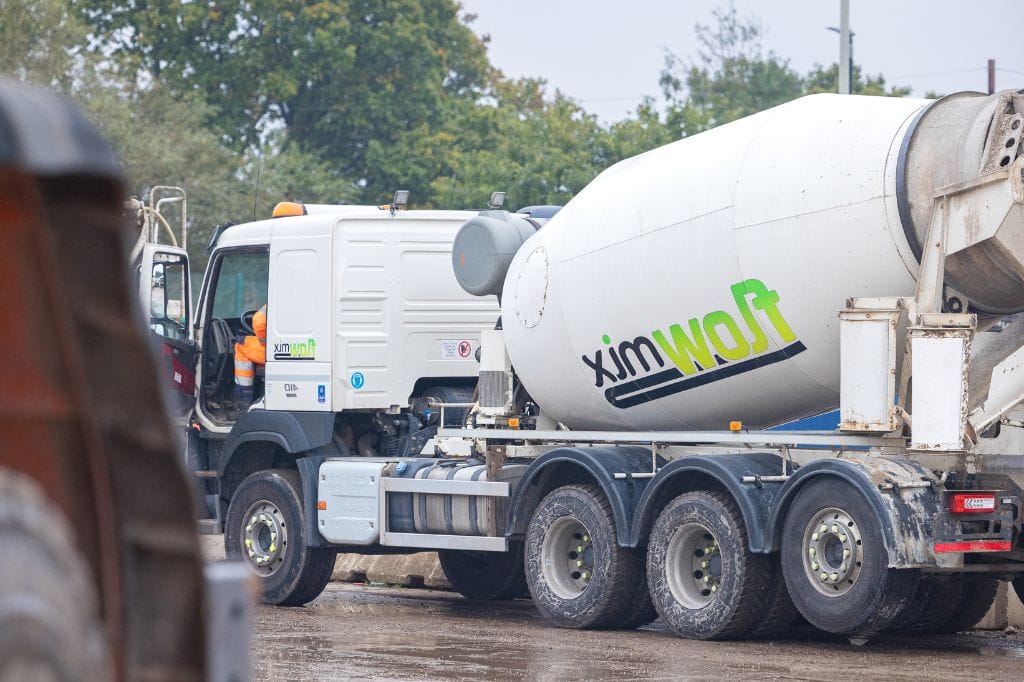
When selecting the right mix for your project, understanding the different types of concrete is crucial. Each variety has its own unique balance of strength, setting time, and sustainability, and the one you choose can significantly impact how your structure performs in the long run.

From fast-setting options for quick jobs to sustainable blends that reduce your carbon footprint, knowing which type to use gives you a real advantage.

Flowmix supplies high-quality ready-mix concrete and mix-on-site (volumetric) concrete across Tewkesbury, Gloucestershire, and West Midlands, helping both homeowners and contractors choose the most suitable mix for their build.

Whether you’re laying a new driveway or managing a large commercial pour, understanding what sets each cement type apart is crucial for ensuring strength, longevity, and value for money.

So, what are the different types of concrete, and how do CEM1, CEM2, and CEM3 compare? Let’s take a closer look at what each one means and when to use them.

What Does “CEM” Mean?

If you’ve ever looked closely at a concrete specification, you’ve probably seen terms like CEM1, CEM2, or CEM3, but what do they actually mean? These letters aren’t random; CEM stands for cement under the European Standard EN 197-1, which classifies the different types of concrete based on how they’re made and what materials they contain.

Each category defines the amount of clinker (the primary ingredient in cement) used and the supplementary materials, such as fly ash, limestone, or GGBS (Ground Granulated Blast Furnace Slag), added to enhance performance or sustainability.

Some types are stronger and set faster, while others offer better durability or lower environmental impact. Knowing the difference ensures your concrete performs exactly as you need it to.

CEM1: Ordinary Portland Cement (OPC)

CEM1 is the most traditional of the different types of concrete, known as Ordinary Portland Cement (OPC). It’s made from approximately 95–100% clinker, with a small amount of gypsum added to control the setting time. Due to its minimal additional materials, it provides high early strength and consistent performance, making it ideal for demanding structural applications.

This type of concrete is often used in foundations, precast elements, driveways, and structural beams, where strength and fast setting times are a priority. It performs well in colder weather as well, reaching workable strength quickly even in low temperatures.

However, there’s a trade-off. CEM1 has a higher carbon footprint than blended alternatives because it doesn’t include supplementary materials like slag or fly ash. While it delivers excellent short-term strength, contractors often prefer more sustainable options, such as CEM2 and CEM3, for modern builds that focus on long-term performance and environmental responsibility.

Need Expert Advice?

Speak to the team at Flowmix Tewkesbury or Walsall. We are happy to help with all your concrete requirements.

Flowmix Tewkesbury: 01684 217888 Flowmix Walsall: Tel: 01922 741731

CEM2: Blended Cement

CEM2 is one of the most popular choices among the different types of concrete. It offers a practical balance between strength, performance, and sustainability. It’s a blended cement, meaning that it contains around 65–94% clinker mixed with supplementary materials such as fly ash, limestone, or slag. These additions make it more environmentally friendly while also improving workability.

This blend enhances CEM2 concrete with a smoother finish, lower heat of hydration, and improved durability over time. It’s ideal for domestic foundations, driveways, slabs, and general construction projects where consistent strength and reduced carbon emissions are important.

While CEM2 develops strength slightly slower than CEM I in the early stages, it continues to harden and strengthen over time, resulting in a long-lasting outcome. For most everyday applications, it provides the perfect balance of reliability and eco-conscious performance.

CEM3: Blastfurnace Cement (GGBS)

Among all the different types of concrete, CEM3 stands out as the most sustainable and durable option. It’s made using a much lower proportion of clinker, typically between 20% and 64% and replaces the rest with Ground Granulated Blast Furnace Slag (GGBS), a by-product from steel production.

This clever use of recycled material gives CEM3 an impressive environmental advantage, significantly reducing CO₂ emissions while improving resistance to chemicals and moisture. It’s particularly well-suited to marine environments, basements, retaining walls, and large pours, where long-term durability is vital.

CEM3 concrete also generates less heat during curing, making it ideal for massive pours where cracking can be a concern. The only real drawback is that it gains strength more slowly at the start, especially in colder conditions; however, over time, it becomes exceptionally strong and stable.

Ready to Order Ready-Mix or Volumetric Concrete?

If you are ready to order a ready-mix concrete delivery, speak to the team at Flowmix Tewkesbury or Walsall. We will help you select the right mix and quantities and arrange for fast delivery to your site.

Flowmix Tewkesbury: 01684 217888 Flowmix Walsall: Tel: 01922 741731

Comparing CEM1, CEM2, and CEM3

Now that we’ve explored each of the different types of concrete, it’s easier to see how they compare in terms of composition, performance, and environmental impact. Each CEM type serves a distinct purpose, enabling builders and homeowners to select the ideal mix for their project.

Here’s a quick comparison to help you decide which one is best suited to your job:

TypeCompositionStrength & SettingSustainabilityBest For
CEM195–100% clinkerFast setting, high early strengthHigher CO₂ outputStructural concrete, precast elements, cold-weather work
CEM265–94% clinker + limestone/fly ash/slagBalanced strength, good durabilityModerate CO₂ reductionFoundations, driveways, general construction
CEM320–64% clinker + GGBSSlower early strength, excellent long-term durabilityLow CO₂ and high sustainabilityMarine projects, basements, large pours

Each option brings its own strengths. CEM1 is ideal for speed and strength, CEM2 offers a versatile, balanced mix, and CEM3 provides unmatched durability and eco-friendliness.

Choosing the Right Cement for Your Project

With so many different types of concrete available, choosing the right one for your project can be a daunting task. The best choice often depends on factors like project size, environmental conditions, and the desired finish. For example, a homeowner pouring a driveway might prioritise workability and appearance, while a contractor working on a basement or large foundation may need a slower-setting, more durable mix.

At Flowmix, we help customers across Tewkesbury, Gloucestershire, and the West Midlands select the most suitable concrete for their specific needs. Whether it’s CEM1 for structural strength, CEM2 for balanced performance, or CEM3 for sustainability and long-term durability, our expert team ensures every batch is mixed to the highest standard.

We understand that no two projects are the same, which is why we offer both ready mix and volumetric concrete options. This flexibility allows you to achieve the right consistency, volume, and setting time with minimal waste and maximum precision.

Conclusion

Understanding the different types of concrete — CEM1, CEM2, and CEM3 — makes it much easier to choose the right mix for your project. Each type has its own advantages, from the strength and speed of CEM1 to the balanced performance of CEM2 and the long-term durability and sustainability of CEM3.

At Flowmix, we take pride in delivering the perfect concrete solution for every job across Tewkesbury, Gloucestershire, and the West Midlands. Whether you’re working on a small domestic project or a large commercial site, our expert team will recommend the most suitable mix to ensure quality, efficiency, and lasting performance.

If you’d like expert advice on which concrete is best for your project, get in touch with Flowmix today. Our reliable service, competitive pricing, and precise batching ensure you always receive concrete you can trust, every time.

How Flowmix Can Help With Your Project

Flowmix has two plants, Gloucester and Walsall. We provide the following services (with time slots):

Ready-mix concrete, mix on-site (volumetric concrete)
Traditional and liquid screed.
200′ Concrete line pump Hire to reduce manual labour and associated costs, increase efficiency, reduce wastage and clean up.
Interlocking concrete blocks for temporary or permanent barriers.
Mini-Mix loads up to 4 cubic metres.

Flowmix has the BSA-approved Ready Mix Concrete Kitemark KM683844, a certification that “confirms a product or service’s claim has been independently and repeatedly tested by experts” (source BSI).

Flowmix Tewkesbury: 01684 217888 Flowmix Walsall: Tel: 01922 741731

Flowmix Delivery Areas

Tewkesbury AreaWalsall Area
Bourton-on-the-WaterAldridge
BrockworthBarton-Under-Needwood
ChalfordBirmingham
CheltenhamBrownhills
Chipping CampdenBurntwood
CirencesterBurton Upon Trent
Droitwich SpaCannock
EveshamColeshill
GloucesterDudley
Great MalvernGreat Haywood
LedburyLichfield
NewentNorton Canes
NorthleachPenkridge
PershoreRugeley
Ross-on-WyeStafford
Stow-on-the-WoldTamworth
StroudWalsall
TewkesburyWest Bromwich
WorcesterWolverhampton

FAQs

What Are the Different Types of Concrete?

The different types of concrete depend on the type of cement used, specifically CEM1, CEM2, and CEM3.

  • CEM1 is pure Ordinary Portland Cement, known for its strength and fast setting
  • CEM2 is a blended cement offering a balance between performance and sustainability
  • CEM3 contains GGBS for long-term durability and reduced carbon emissions.

Which Type of Concrete Is the Strongest?

CEM1 concrete is typically the strongest in terms of early strength and rapid setting, making it ideal for structural work or cold-weather projects. However, over time, both CEM2 and CEM3 develop excellent long-term strength and durability.

Is CEM3 Concrete More Environmentally Friendly?

Yes. CEM3 utilises a substantial amount of Ground Granulated Blast Furnace Slag (GGBS), a recycled material derived from the steel production process. That significantly reduces CO₂ emissions, making it one of the most environmentally friendly options among different types of concrete.

Can I Use CEM2 or CEM3 for Domestic Projects?

Absolutely. Both CEM2 and CEM3 are suitable for domestic applications such as driveways, patios, and foundations. At Flowmix, we can recommend the best blend for your specific project anywhere in Tewkesbury, Gloucestershire, or the West Midlands.

How Do I Know Which Type of Concrete I Need?

The right choice depends on your project requirements; factors such as load, exposure conditions, and environmental goals all play a part. The team at Flowmix can advise you on which type of concrete will deliver the best results in terms of strength, finish, and longevity.

Does Flowmix Offer Delivery for All Concrete Types?

Yes. Flowmix supplies and delivers a range of concrete types, including CEM1, CEM2 and CEM3, with flexible options for ready-mix or on-site concrete. We also provide concrete line pump hire for easy delivery to hard-to-reach areas.

Agricultural concrete forms the foundation of today’s farms, providing strength, durability, and reliability where it matters most. At Flowmix, we understand that agricultural environments demand more than standard concrete. They need surfaces that can handle constant use, heavy machinery, livestock traffic, and exposure to the elements.

Serving Gloucestershire and the West Midlands, Flowmix has built a strong reputation for delivering concrete that performs exceptionally well in rural and commercial farm settings. Our mixes are designed for resilience, hygiene, and long-term value, helping farmers maintain cleaner, safer, and more efficient working spaces.

Whether it’s for a milking parlour, feed store, or farm track, Flowmix supplies robust solutions that support every aspect of modern farming. With over a decade of experience and a commitment to quality, we provide a service that’s as dependable as the concrete we deliver.

What Is Agricultural Concrete?

This type of concrete is formulated explicitly for farm and agricultural use, where surfaces are constantly exposed to pressure, moisture, and chemical contact. At Flowmix, we supply concrete that’s mixed to meet the challenges of rural life, from silage clamps and grain stores to access roads and livestock areas.

Unlike general-purpose concrete, it’s engineered for extra strength and resistance, ensuring it can withstand the weight of tractors, loaders, livestock, and daily operations without cracking or wearing down. It gives farmers confidence that their structures and surfaces will remain safe, stable, and easy to maintain year after year.

Common Uses of Agricultural Concrete

Flowmix supplies high-performance mixes designed for the unique demands of agricultural environments, helping farmers across Gloucestershire and the West Midlands build strong, low-maintenance foundations that withstand everyday wear and tear.

Farmyards and Livestock Areas

Durable, non-slip surfaces are essential in areas where people and animals move daily. Flowmix concrete provides reliable traction, supports hygiene, and makes cleaning quick and straightforward.

Silage Clamps and Feed Stores

These areas require concrete that can resist acids and moisture. Flowmix’s specially designed mixes prevent corrosion and surface damage, keeping clamps and stores cleaner and longer-lasting.

Grain Stores and Barn Floors

A dense, dust-free surface helps protect machinery and stored produce. Flowmix concrete delivers the load-bearing strength and smooth finish needed for busy barns and grain areas.

Milking Parlours and Dairy Units

Hygiene is everything in dairy environments. Our concrete offers a seamless, easy-to-wash finish that supports both animal welfare and industry standards.

Access Roads and Tracks

Concrete tracks and roadways provide long-term stability, even under heavy farm traffic. Flowmix designs mixes that resist weathering and erosion, keeping access routes in top condition.

Interlocking Concrete Blocks

For feed bays, retaining walls, or secure storage, our precast interlocking concrete blocks offer flexible and reusable solutions that complement any farm layout.

Need Expert Advice?

Speak to the team at Flowmix Tewkesbury, Gloucestershire or Aldridge, Walsall. We are happy to help with all your concrete requirements.

Flowmix Tewkesbury: 01684 217888 Flowmix Walsall: Tel: 01922 741731

Key Benefits of Using Agricultural Concrete

Choosing the right concrete for your farm isn’t just about strength; it’s about reliability, safety, and long-term value. The following are some of the main advantages of using high-quality agricultural concrete for your farm buildings and surfaces.

Exceptional Durability

Farm environments can be harsh on surfaces. Our concrete is formulated to handle heavy loads, constant traffic, and the impact of machinery without cracking or degrading over time.

Low Maintenance

Agricultural concrete from Flowmix offers a smooth, dense finish that’s easy to clean and wear-resistant. That reduces ongoing maintenance and helps keep operating costs low.

Improved Hygiene and Safety

Clean, solid flooring is essential for animal welfare and worker safety. Non-slip, easy-to-clean finishes help maintain hygienic conditions in areas such as milking parlours and feed stores.

Weather Resistance

Farm surfaces are constantly exposed to rain, frost, and mud. Flowmix concrete provides excellent resistance to the elements, staying stable and safe year-round.

Cost-Effective Longevity

Investing in the right mix from the start saves time and money in the long run. Flowmix’s agricultural-grade concrete gives you a dependable surface that performs well for decades, not just years.

Ready to Order Agricultural Concrete?

If you are ready to order agricultural concrete, speak to the team at Flowmix Tewkesbury or Walsall. We will help you select the right mix and quantities and arrange for fast delivery to your site.

Flowmix Tewkesbury: 01684 217888 Flowmix Walsall: Tel: 01922 741731

Why Choose Flowmix for Agricultural Concrete

When it comes to farm construction, not all concrete is created equal. At Flowmix, we’ve spent many years perfecting concrete mixes that meet the specific needs of agricultural and rural environments. Farmers across Gloucestershire and the West Midlands trust us to deliver concrete that performs exceptionally well in the most challenging conditions.

  • Experience You Can Rely On: Flowmix has been supplying quality concrete since 2018, earning a strong reputation for reliability and expertise. Our team understands the unique challenges of agricultural projects, from uneven terrain to tight access points.
  • Tailored Mixing Options: We offer both ready-mix and on-site mixing services, giving you complete flexibility depending on your project. Whether you’re laying a yard, floor, or silage clamp, we’ll provide the right blend and strength for your needs.
  • Efficient Delivery and Support: With a two-hour timed delivery window and a modern fleet, Flowmix ensures your concrete arrives on time and ready to pour. Our experienced team provides practical advice on volume, mix type, and application so your job runs smoothly from start to finish.
  • Comprehensive Solutions: In addition to agricultural concrete, we also supply liquid screed, concrete pump hire, and interlocking concrete blocks, which are ideal for feed bays, retaining walls, and other farm storage solutions.
  • Quality You Can Trust: All Flowmix products are manufactured to meet British Standards, ensuring dependable, long-lasting results every time. We pride ourselves on providing consistent quality, competitive pricing, and outstanding customer service.
flowmix testimonials

Tips for Getting the Best Results

Working with agricultural concrete requires proper preparation and an appropriate approach to ensure a long-lasting finish. The best results come from careful planning, the correct mix, and proper placement. Here are a few expert tips to help you get the most out of your project.

Plan Ahead

Start by assessing the types of loads the concrete will need to withstand. Surfaces that support heavy machinery or constant animal traffic may need a stronger grade than general-purpose areas.

Order the Right Volume

Accurate volume estimates prevent costly delays or shortages. The Flowmix team can help you calculate precisely how much you’ll need based on the size and depth of your pour.

Choose the Correct Mix

Different applications require different mixes. For example, silage clamps benefit from acid-resistant concrete, while driveways and access roads need a high-strength, weather-resistant blend. Flowmix can advise on the best mix design for your specific use.

Ensure Proper Placement and Curing

Good site preparation and correct curing are essential to achieving durability and strength. Allow the concrete to cure slowly to prevent cracking and to ensure a smooth, solid surface.

Maintain Surfaces Regularly

Even the toughest materials last longer with care. Keeping surfaces clean and clear of debris helps maintain hygiene and prevents early wear, especially in high-use areas.

Flowmix is always available to offer practical guidance before, during, and after your pour, helping you achieve strong, durable results every time.

Conclusion: A Strong Foundation for Every Farm

Agricultural concrete is the backbone of a reliable, efficient, and safe farming environment. From livestock areas and silage clamps to access roads and storage bays, it provides the strength and stability every farm needs to operate smoothly.

At Flowmix, we take pride in delivering high-quality mixes explicitly designed for agricultural use. Our expertise, dependable service, and flexible delivery options make us a trusted partner for farmers across Gloucestershire and the West Midlands.

Whether you’re building new facilities or upgrading existing ones, our concrete provides the durability, hygiene, and performance your farm deserves.

If you’re planning your next project, get in touch with Flowmix today for expert advice and a competitive quote. We’ll help you choose the perfect mix to keep your farm running strong for years to come.

How Flowmix Can Help With Your Project

Flowmix has two plants, Gloucester and Walsall. We provide the following services (with time slots):

Flowmix has the BSA-approved Ready Mix Concrete Kitemark KM683844, a certification that “confirms a product or service’s claim has been independently and repeatedly tested by experts” (source BSI).

Flowmix Tewkesbury: 01684 217888 Flowmix Walsall: Tel: 01922 741731

Flowmix Delivery Areas

Tewkesbury AreaWalsall Area
Bourton-on-the-WaterAldridge
BrockworthBarton-Under-Needwood
ChalfordBirmingham
CheltenhamBrownhills
Chipping CampdenBurntwood
CirencesterBurton Upon Trent
Droitwich SpaCannock
EveshamColeshill
GloucesterDudley
Great MalvernGreat Haywood
LedburyLichfield
NewentNorton Canes
NorthleachPenkridge
PershoreRugeley
Ross-on-WyeStafford
Stow-on-the-WoldTamworth
StroudWalsall
TewkesburyWest Bromwich
WorcesterWolverhampton

FAQs

What Type Of Concrete Is Best For Agricultural Use?

For farm applications, high-strength concrete with added resistance to acids and abrasion works best. Flowmix supplies tailored mixes designed for heavy loads, frequent washing, and long-term durability.

Can This Concrete Be Used For Silage Clamps Or Feed Stores?

Yes, our mixes are formulated to withstand the acids and moisture commonly found in silage clamps and feed areas, ensuring lasting protection and performance.

How Long Does Agricultural Concrete Take To Cure?

Concrete typically takes around 28 days to reach full strength, but it can often be used for lighter activity after a few days, depending on conditions. Flowmix can advise on curing times for your specific project.

Do You Deliver To Remote Farm Locations?

Absolutely. Flowmix provides a reliable delivery service across Gloucestershire and the West Midlands, with flexible two-hour slots to suit busy farming schedules.

What Makes Flowmix Different?

With over a decade of experience, tailored mix designs, and friendly local service, Flowmix helps farmers build stronger, longer-lasting foundations for every part of their operation.

When planning a construction or landscaping project, it’s essential to understand the different types of concrete finishes. The finish you choose doesn’t just affect how the surface looks; it also determines how it performs under everyday use.

From smooth, polished floors to textured driveways and decorative patios, the right finish can improve safety, enhance durability, and elevate the overall appearance of your space.

In this article, we’ll take a closer look at the most popular types of concrete finishes, where they work best, and the practical benefits each option provides.

Whether you’re a homeowner improving your garden, a contractor working on a commercial site, or a developer planning large-scale infrastructure, choosing the right finish will ensure long-lasting results.

Types of Concrete Finishes

In this section, we will look at the following concrete finishes:

Smooth Concrete Finishes

One of the most common types of concrete finishes is the smooth finish, often achieved using a steel trowel or power float. It creates a dense, flat surface that is durable and easy to clean.

Smooth concrete surface finishes are ideal for indoor spaces such as garages, workshops, and basements, where functionality and low maintenance are priorities.

For projects where appearance is just as important as performance, polished concrete is a popular choice. This process involves grinding the surface with diamond abrasives to achieve a glossy, reflective look. Polished floors are stylish, resistant to stains and highly durable, making them suitable for showrooms, offices, and modern homes.

Bear in mind that while smooth concrete textures provide a sleek finish, they can become slippery when wet, so they are not always the best option for outdoor applications. However, when combined with sealants or non-slip treatments, they remain a versatile choice for both residential and commercial projects.

Need Expert Advice?

Speak to the team at Flowmix Tewkesbury, Gloucestershire or Aldridge, Walsall. We are happy to help with all your concrete requirements.

Flowmix Tewkesbury: 01684 217888 Flowmix Walsall: Tel: 01922 741731

Textured Concrete Finishes

For outdoor projects where grip and durability are essential, textured types of concrete finishes are often the best solution. By adding texture to the surface, these finishes improve traction, making them a practical choice for paths, patios, and driveways.

One of the most widely used concrete surface finishes is the broom finish, which involves dragging a broom across freshly laid concrete, leaving small ridges that enhance slip resistance.

Another option is the salt finish, where you apply rock salt to wet concrete and later wash it away, leaving tiny indentations. This subtle texture improves safety and adds a decorative element, making it particularly popular around swimming pools and garden walkways.

Perhaps the most attractive of all textured concrete treatments is the exposed aggregate finish. Washing away the top layer of cement paste reveals the natural stones and pebbles within the mix. It creates a striking look that blends durability with decorative appeal, often used in patios, driveways, and landscaping projects.

Textured concrete floor finishes are especially valuable in areas prone to rain or heavy use, where safety and long-term performance are key considerations.

Decorative Concrete Finishes

For projects where appearance is just as important as performance, decorative types of concrete finishes offer a wide range of creative possibilities. These finishes mimic the look of more expensive materials such as stone, brick, or even timber, while still providing the strength and durability of concrete.

One of the most popular decorative concrete treatments is stamped concrete. This method involves pressing patterns or textures into freshly poured concrete, allowing it to replicate the look of natural materials.

Stamped finishes are commonly used for patios, driveways, and pool surrounds, delivering a high-end aesthetic at a more affordable price point.

A similar option is the stencilled finish, where you place paper or plastic templates on the surface before applying a colour hardener or spray-on overlay. This technique is less labour-intensive than stamping but still provides attractive results, making it ideal for residential projects such as garden paths or courtyards.

Decorative concrete surface finishes can also be enhanced with colouring agents, stains, or dyes, giving homeowners and designers almost unlimited customisation.

Whether the goal is a rustic cobblestone effect or a sleek, modern pattern, decorative finishes allow concrete to become a true design feature rather than just a structural material.

Specialised Concrete Finishes

Some types of concrete finishes prioritise performance over appearance. Self-levelling concrete, for example, flows easily and creates perfectly flat floors, making it ideal as a base layer for tiles, carpets, or other flooring systems.

Another option is permeable concrete, which allows water to drain through the surface, helping with flood prevention and sustainable urban design.

High-end projects may also use terrazzo finishes, where decorative aggregates such as marble or glass are embedded into the concrete and polished to create a striking, durable surface.

These specialist concrete surface finishes are perfect for commercial buildings, public spaces, and modern architectural designs where both aesthetics and functionality are key.

How to Choose the Right Concrete Finish

With so many types of concrete finishes available, the best choice depends on the purpose of the project. For driveways, paths, and outdoor areas, textured concrete surface finishes like broom or exposed aggregate provide excellent slip resistance and durability.

For interiors, polished or smooth finishes deliver a modern look that is easy to maintain.

It’s also essential to consider factors such as weather exposure, budget, and long-term maintenance. While decorative concrete treatments may require resealing to keep their appearance, functional finishes like self-levelling or porous concrete focus on performance and sustainability.

Conclusion

The wide variety of types of concrete finishes means there is a solution for every project, whether you need a sleek interior floor, a decorative garden patio, or a durable driveway. From smooth and polished surfaces to textured, decorative, and specialised options, each finish offers unique benefits in terms of appearance, safety, and performance.

By understanding the different concrete surface finishes available and matching them to your project’s requirements, you can achieve results that are both practical and visually appealing. The right finish will not only enhance the overall look of your space but also ensure long-lasting durability.

How Flowmix Can Help With Your Project

Flowmix has two plants, Gloucester and Walsall. We provide the following services (with time slots):

Ready-mix concrete, mix on-site (volumetric concrete)
Traditional and liquid screed.
200′ Concrete line pump Hire to reduce manual labour and associated costs, increase efficiency, reduce wastage and clean up.
Interlocking concrete blocks for temporary or permanent barriers.
Mini-Mix loads up to 4 cubic metres.

Flowmix has the BSA-approved Ready Mix Concrete Kitemark KM683844, a certification that “confirms a product or service’s claim has been independently and repeatedly tested by experts” (source BSI).

Flowmix Tewkesbury: 01684 217888 Flowmix Walsall: Tel: 01922 741731

Flowmix Delivery Areas

Tewkesbury AreaWalsall Area
Bourton-on-the-WaterAldridge
BrockworthBarton-Under-Needwood
ChalfordBirmingham
CheltenhamBrownhills
Chipping CampdenBurntwood
CirencesterBurton Upon Trent
Droitwich SpaCannock
EveshamColeshill
GloucesterDudley
Great MalvernGreat Haywood
LedburyLichfield
NewentNorton Canes
NorthleachPenkridge
PershoreRugeley
Ross-on-WyeStafford
Stow-on-the-WoldTamworth
StroudWalsall
TewkesburyWest Bromwich
WorcesterWolverhampton

FAQs

What Are The Main Types Of Concrete Finishes?

The most common types of concrete finishes include smooth (trowel and polished), textured (broom, salt, exposed aggregate), decorative (stamped and stencilled), and specialised options such as self-levelling, terrazzo, and pervious concrete. Flowmix can provide expert advice on selecting the right finish for your project in Gloucestershire or the West Midlands.

Which Concrete Finish Is Best For Driveways?

Textured finishes such as broom or exposed aggregate are ideal for driveways. They provide excellent slip resistance, durability, and can withstand heavy use and local weather conditions in Gloucestershire and the West Midlands.

Can Decorative Concrete Finishes Be Used Outdoors?

Yes, stamped and stencilled concrete surface finishes work well for patios, garden paths, and pool areas. Flowmix can help with outdoor projects, ensuring decorative concrete finishes are correctly installed and sealed to maintain their appearance.

Are Polished Concrete Finishes Slippery?

Polished concrete can become slippery when wet, but you can improve safety with non-slip sealers or surface treatments. It remains a popular choice for modern homes, offices, and showrooms in the West Midlands and Gloucestershire due to its sleek appearance and easy maintenance.

What Is The Most Durable Type Of Concrete Finish?

Durability depends on the environment, but polished concrete and exposed aggregate are known for their long-lasting performance. Specialised options like terrazzo also offer exceptional strength for commercial and high-traffic spaces in your local area.

How Do I Decide Which Concrete Finish To Use?

Consider how much traffic the concrete will have, and the look you want to achieve. For outdoor safety, choose textured finishes; for interiors, opt for smooth or polished surfaces; and for style, explore decorative concrete treatments. Flowmix can advise on the best finishes for your project in Gloucestershire or the West Midlands.

Lignite in sand is probably something you’ve never heard of, because most people haven’t.

When most people think about sand, they imagine it’s all the same. Clean, simple, and ready to use. But when it comes to concrete and screed, that assumption can lead to costly surprises.

Sometimes, what’s hiding in your sand can cause real problems for your project. One small impurity, known as lignite, can make a big difference to the quality and durability of your mix.

What Is Lignite?

Lignite is a soft, brownish type of coal that can sometimes occur naturally in sand deposits, especially if the sand source has become contaminated. It looks harmless enough, but in concrete and screed production, lignite behaves very differently from standard sand particles.

Because it’s light, porous and organic, lignite tends to absorb water during mixing. Later, as the concrete or screed dries out or becomes wet again, it expands and contracts. This constant movement can cause visible surface damage and weaken the integrity of the finished material.

Why Lignite Is a Problem in Concrete and Screed

Even small traces of lignite in sand can cause noticeable issues once the concrete has hardened. Some of the most common problems include:

  • Pop-outs and craters – small holes or blemishes that appear on the surface
  • Uneven colour or dark patches – caused by lignite reacting within the mix
  • Weak spots or poor bonding – reducing the overall strength of the concrete or screed

While these issues may seem cosmetic at first, lignite in sand can lead to long-term durability issues. Surfaces may become more prone to cracking, and the overall finish may lose its smooth, professional appearance.

Need Expert Advice?

Speak to the team at Flowmix Tewkesbury or Walsall. We are happy to help with all your concrete requirements.

Flowmix Tewkesbury: 01684 217888 Flowmix Walsall: Tel: 01922 741731

How Flowmix Prevents Lignite Contamination

At Flowmix Tewkesbury, Gloucestshire and Aldridge, Walsall, quality control begins with the materials we source. We use only high-quality sands and aggregates, thoroughly tested to ensure they’re clean, consistent, and free of impurities such as lignite.

If a sand quarry shows any sign of contamination, our team identifies and rectifies the issue immediately through our extensive network of trusted suppliers. This proactive approach guarantees that every batch of concrete and screed we deliver meets the highest possible standards.

Our goal is simple: to provide strong, smooth, and reliable mixes that perform exactly as they should, every time.

Ready to Order Ready-Mix or Volumetric Concrete?

If you are ready to order a ready-mix concrete delivery, speak to the team at Flowmix Tewkesbury or Walsall. We will help you select the right mix and quantities and arrange for fast delivery to your site.

Flowmix Tewkesbury: 01684 217888 Flowmix Walsall: Tel: 01922 741731

Why Quality Control Matters

Quality concrete starts with quality materials. Even a small amount of lignite in sand can impact the appearance and performance of a finished surface, so it’s essential to know where your materials come from.

When you order from Flowmix, you can rest assured that we have produced your mix using clean, carefully tested materials, giving you confidence that your project will stand the test of time.

It’s just one of the details that make a big difference in the quality and reliability you get from Flowmix.

If you’re sourcing concrete or screed elsewhere, it’s worth asking your supplier a simple question:
Does your sand contain lignite?

Because when it comes to concrete, the smallest details often make the biggest difference.

How Flowmix Can Help With Your Project

Flowmix has two plants, Gloucester and Walsall. We provide the following services (with time slots):

Flowmix has the BSA-approved Ready Mix Concrete Kitemark KM683844, a certification that “confirms a product or service’s claim has been independently and repeatedly tested by experts” (source BSI).

Flowmix Tewkesbury: 01684 217888 Flowmix Walsall: Tel: 01922 741731

Flowmix Delivery Areas

Tewkesbury AreaWalsall Area
Bourton-on-the-WaterAldridge
BrockworthBarton-Under-Needwood
ChalfordBirmingham
CheltenhamBrownhills
Chipping CampdenBurntwood
CirencesterBurton Upon Trent
Droitwich SpaCannock
EveshamColeshill
GloucesterDudley
Great MalvernGreat Haywood
LedburyLichfield
NewentNorton Canes
NorthleachPenkridge
PershoreRugeley
Ross-on-WyeStafford
Stow-on-the-WoldTamworth
StroudWalsall
TewkesburyWest Bromwich
WorcesterWolverhampton

FAQs

What Is Lignite In Concrete?

Lignite is a soft, brownish type of coal sometimes found in sand used for concrete or screed. It’s a natural impurity that can cause defects if not removed during material testing and preparation. Lignite in sand can create issues with the finished result.

Why Is Lignite A Problem In Sand?

Because lignite is lightweight and porous, it absorbs water during mixing and expands as the concrete dries or gets wet again. This expansion can lead to surface blemishes, discolouration, and small holes known as pop-outs. Lignite in sand is something to check with your concrete supplier and avoid.

How Can You Tell If Sand Contains Lignite?

It’s only possible to detect lignite in sand through laboratory testing of sand samples. It’s not always visible to the naked eye, which is why professional quality control and aggregate testing are so important before production.

What Happens If Lignite Is Used In Concrete Or Screed?

Concrete or screed containing lignite may look fine at first, but over time it can develop dark patches, pop-outs, and weakened areas. These defects affect both the appearance and durability of the finished surface.

Whether there is lignite in sand is something to ask your concrete supplier before ordering.

How Does Flowmix Prevent Lignite Contamination?

Flowmix uses high-quality, thoroughly tested sands and aggregates to ensure all materials are free from impurities like lignite. If any contamination gets detected at the source, alternative materials are sourced immediately through a trusted supplier network.

Can Lignite Affect The Strength Of Concrete?

Yes, lignite in sand can interfere with cement bonding, creating weak points within the mix. While the overall structure might still hold, it can reduce surface strength and longevity, especially in screeds or decorative finishes.

What Should I Ask My Concrete Supplier?

Always ask the concrete supplier whether they test their sand and aggregates for lignite and other organic impurities. Reputable suppliers should be able to confirm this and provide test results or quality assurance information.

When you need a solid and long-lasting base for a shed, driveway, patio, or even an extension, the best solution is to lay a concrete slab. Concrete slabs are strong, versatile, and provide a level foundation that will stand the test of time.

While some people opt for the DIY route, the process requires careful planning, precision, and the right materials. Ordering ready-mix concrete from a trusted supplier like Flowmix makes the job quicker, easier, and guarantees a professional finish.

This post is a guide to laying a concrete slab if you intend on doing it yourself.

#1: Plan and Prepare the Area

Before you lay a concrete slab, preparation is everything. Begin by selecting the best location and measuring the area accurately. Mark the outline with wooden stakes and string to ensure straight edges and accurate dimensions.

Once you’ve marked the space, you’ll need to excavate the soil to the required depth, typically 150–200mm, depending on the intended use of the slab. Ensure the base is level and free from debris, as any unevenness can impact the strength and appearance of your concrete.

To keep the slab in place while pouring, install sturdy formwork around the edges to prevent it from shifting. You can make a form from timber boards secured firmly with pegs.

Good formwork will help maintain the shape of your slab and prevent the concrete from spreading beyond the designated area.

#2: Create a Strong Foundation

Once you’ve prepared the area, the next step in laying a concrete slab is to create a stable base. Without a solid foundation, your concrete may crack, shift, or become uneven over time.

Start by laying a sub-base of compacted hardcore or crushed stone, around 100mm deep. That provides strength and helps with drainage. Additionally, apply a thin layer of sharp sand to smooth out the surface.

If you’re using the slab for a shed foundation, patio, or driveway, it’s also wise to install a damp-proof membrane. That prevents rising moisture from damaging the concrete in the long term.

Getting the foundation right makes the process of pouring a concrete slab much easier and ensures your finished surface will stay level and durable.

Need Expert Advice?

Speak to the team at Flowmix Tewkesbury or Walsall. We are happy to help with all your concrete requirements.

Flowmix Tewkesbury: 01684 217888 Flowmix Walsall: Tel: 01922 741731

#3: Mix or Order Your Concrete

When you’re ready to lay a concrete slab, the quality of your concrete mix is crucial. You have two main options: mixing it yourself or ordering ready-mix concrete.

For smaller jobs, hand-mixing with cement, sand, gravel, and water can be effective, but achieving the perfect consistency can be challenging. It’s also time-consuming and physically demanding.

For larger projects such as a patio slab, shed foundation, or driveway, ordering ready-mix concrete is the preferred choice.

Flowmix offers both on-site mixing (volumetric) and ready mix concrete deliveries, ensuring you get precisely the right amount of concrete without waste. Our trucks can mix to your exact requirements, whether you need a stronger slab for a garage floor or a smooth finish for a garden patio.

For areas with limited access, you can also arrange concrete line pump hire, which makes pouring a concrete slab into tricky spots much quicker and cleaner. A concrete pump not only saves time but also prevents the mess that often comes with the backbreaking work of hauling wheelbarrows full of concrete across the site.

#4: Pouring the Concrete

With your base prepared and your mix ready, it’s time to lay a concrete slab. Start by pouring the concrete evenly across the formwork, working from one end to the other. That helps avoid gaps and ensures complete filling of the entire area.

If you’re tackling a small shed base or garden patio, you can pour straight from the wheelbarrow. For larger slabs, such as driveways or garage floors, hiring a concrete pump can make the job much easier. A pump allows the concrete to be delivered quickly, cleanly and precisely, especially in hard-to-reach areas.

After pouring the slab, use a shovel or rake to spread the mix evenly across the surface. Make sure there are no air pockets, as these can weaken the slab. The key to pouring a concrete slab successfully is working steadily and maintaining a consistent mix throughout. A slump test is super helpful for that.

Ready to Order Ready-Mix or Volumetric Concrete?

If you are ready to order a ready-mix concrete delivery, speak to the team at Flowmix Tewkesbury or Walsall. We will help you select the right mix and quantities and arrange for fast delivery to your site.

Flowmix Tewkesbury: 01684 217888 Flowmix Walsall: Tel: 01922 741731

#5: Level and Finish the Surface

After pouring the mix, the next step is to level it. Use a straight piece of timber or a screed board to drag across the top of the formwork, moving in a sawing motion. That helps spread the concrete evenly and remove any excess.

Once the slab is level, you can smooth the surface with a float or trowel. Edging tools help create neat, defined edges that improve the slab’s appearance and reduce the chance of cracking.

If you’re laying a concrete base in an outdoor area, you might also want to create a slip-resistant finish. You can achieve this by lightly brushing the surface while it’s still wet, which provides a grip and makes it safer in wet weather. A well-finished slab not only looks good but also performs better in the long run.

#6: Curing the Slab

The final stage of laying a concrete slab is curing, and it’s one that people often overlook. Curing is the process of allowing the concrete to harden gradually so it reaches its full strength. If a slab dries out too quickly, it can shrink, crack, or become weaker than intended.

Weather conditions matter for curing. For instance, concrete can cure too fast in extreme heat or too slow in extreme cold.

After levelling and finishing, keep the surface damp by misting it with water or covering it with polythene sheeting. That slows down the drying process and helps the concrete set evenly.

Most slabs require at least 7 days of curing before they can withstand significant weight, although full strength is typically achieved after 28 days.

Patience is critical for best results. Whether you’ve poured a shed foundation, a patio slab, or a driveway, proper curing ensures your hard work pays off with a strong, durable surface that lasts for years.

Conclusion

Learning how to lay a concrete slab doesn’t have to be complicated. By carefully planning the area, creating a strong foundation, using quality concrete, pouring it evenly, levelling, finishing, and curing correctly, you can achieve a durable and professional-looking slab for any project.

Whether you’re creating a shed foundation, patio, or driveway, using Flowmix’s ready-mix concrete, on-site mixing (volumetric), and concrete line pump hire services makes the process faster, cleaner, and more reliable. With the proper preparation and the best materials, your slab will stand the test of time and provide a solid base for years to come.

If you’re ready to lay a concrete slab for your next project, contact Flowmix today to discuss your requirements and get a quote. Their experienced team will ensure you get the perfect mix and expert advice to make your project a success.

How Flowmix Can Help With Your Project

Flowmix has two plants, Gloucester and Walsall. We provide the following services (with time slots):

Ready-mix concrete, mix on-site (volumetric concrete)
Traditional and liquid screed.
200′ Concrete line pump Hire to reduce manual labour and associated costs, increase efficiency, reduce wastage and clean up.
Interlocking concrete blocks for temporary or permanent barriers.
Mini-Mix loads up to 4 cubic metres.

Flowmix has the BSA-approved Ready Mix Concrete Kitemark KM683844, a certification that “confirms a product or service’s claim has been independently and repeatedly tested by experts” (source BSI).

Flowmix Tewkesbury: 01684 217888 Flowmix Walsall: Tel: 01922 741731

Flowmix Delivery Areas

Tewkesbury AreaWalsall Area
Bourton-on-the-WaterAldridge
BrockworthBarton-Under-Needwood
ChalfordBirmingham
CheltenhamBrownhills
Chipping CampdenBurntwood
CirencesterBurton Upon Trent
Droitwich SpaCannock
EveshamColeshill
GloucesterDudley
Great MalvernGreat Haywood
LedburyLichfield
NewentNorton Canes
NorthleachPenkridge
PershoreRugeley
Ross-on-WyeStafford
Stow-on-the-WoldTamworth
StroudWalsall
TewkesburyWest Bromwich
WorcesterWolverhampton

FAQs

How Long Does It Take To Lay A Concrete Slab?

The time to lay a concrete slab depends on the size of the area and whether you’re using ready mix or mixing by hand. Smaller slabs, such as shed bases, can often be completed in a day, while larger driveways may take a couple of days, plus the curing time.

What Is The Best Concrete Mix For A Slab?

For most slabs, a mix with a ratio of cement, sand, and gravel is ideal. For a stronger finish on driveways or garage floors, consider a higher-strength mix. Using Flowmix’s ready mix concrete ensures the perfect consistency for your project.

Can I Lay a Concrete Slab Myself, or Do I Need a Professional?

DIY is possible for small patios or shed foundations, but for larger slabs or complex areas, professional advice or services like mixing on-site and concrete pump hire from Flowmix can save time, reduce errors, and improve durability.

How Thick Should A Concrete Slab Be?

A standard slab thickness is usually between 100mm and 150mm for light use, such as patios or sheds. Driveways or heavier loads may require 150mm–200mm. Proper thickness ensures strength and longevity.

How Do I Prevent Cracks In My Concrete Slab?

Cracks often occur from uneven base preparation, fast drying, or incorrect mix. To prevent cracking, prepare a stable sub-base, pour evenly, and allow the slab to cure properly, keeping it damp during the first week.

Do I Need To Use A Damp-Proof Membrane?

A damp-proof membrane is recommended, especially for patios, sheds, and indoor slabs. It prevents rising moisture from damaging the concrete, keeping your slab strong and durable.

If you’re planning a building project, it’s worth understanding the benefits of waterproof concrete. Ordinary concrete may be strong and versatile, but it has one drawback. It’s naturally porous. That means water can slowly seep in, leading to damp patches, cracks and even long-term structural issues.

At Flowmix, we supply high-quality waterproof concrete, designed to solve these challenges from the start. It doesn’t just keep water at bay, it also extends the lifespan of structures, reduces maintenance costs and creates a healthier environment by preventing mould and damp.

In this article, we’ll explore exactly how waterproof concrete works, the key advantages it offers and where it makes the biggest impact so that you can make confident decisions for your next project.

Need to Order Waterproof Concrete?

Call us at: Flowmix Tewkesbury: 01684 217888 Flowmix Walsall: Tel: 01922 741731

Why Standard Concrete Isn’t Enough

Concrete is one of the most widely used building materials in the world, and for good reason. It’s durable, adaptable and forms the backbone of countless structures. But what many people don’t realise is that standard concrete has a hidden weakness.

Because it’s naturally porous, tiny capillaries form as it cures, allowing water to seep through. Regular concrete can absorb a surprising amount of water in a short space of time.

It might not sound like a big problem at first, but over the years, it can lead to serious issues. Damp patches, cracking, erosion and even structural damage are all risks that come with water ingress.

On top of that, excess moisture creates the perfect conditions for mould and mildew, which can affect both the appearance of a building and the health of the people inside it.

That’s why more builders, homeowners and developers are turning to waterproof concrete. By blocking water from the very start, it helps projects stay stronger, drier and healthier for the long term.

Key Benefits of Waterproof Concrete

Choosing waterproof concrete brings huge advantages for both residential and commercial projects. The benefits of waterproof concrete go far beyond simply keeping water out. It can help protect your building, save money and give you peace of mind.

#1. Stronger, Longer-Lasting Structures

One of the most significant benefits of waterproof concrete is its ability to strengthen and protect your structure over time. By blocking water from seeping in, it prevents cracks, erosion and damage that would usually shorten the life of ordinary concrete.

#2. Lower Maintenance and Repair Costs

Another vital benefit of waterproof concrete is the reduction in maintenance. With less water damage to worry about, you’ll spend far less on patching cracks, repainting or treating damp issues.

#3. A Healthier Environment

When it comes to building materials, health and comfort may not be at the forefront of your thoughts. Yet one of the clear benefits of waterproof concrete is its ability to stop mould and mildew forming, keeping indoor environments fresher and healthier.

#4. Better Appearance Over Time

Among the many benefits of waterproof concrete is its ability to maintain a clean and fresh appearance. Buildings look newer for longer because water damage doesn’t leave behind stains or surface wear.

#5. Increased Property Value

The benefits of waterproof concrete also extend to property value. Homes and commercial properties that are resistant to water damage are more attractive to buyers, adding long-term value to your investment.

#6. Versatile for Many Projects

Finally, one of the most practical benefits of waterproof concrete is its versatility. From basements and foundations to swimming pools, retaining walls and car parks, it’s suitable for a wide range of applications.

Need Expert Advice?

Speak to the team at Flowmix Tewkesbury or Walsall. We are happy to help with all your concrete requirements.

Flowmix Tewkesbury: 01684 217888 Flowmix Walsall: Tel: 01922 741731

How Waterproof Concrete Works

Understanding how it works makes the benefits of waterproof concrete even clearer. Ordinary mixes have tiny pores that allow water to seep in, but waterproof concrete contains special additives or admixtures that close up those pores, creating a barrier against moisture from the inside out.

There are two main ways this is achieved:

Integral Waterproofing

This method involves mixing waterproofing agents directly into the concrete before it’s poured. These additives react within the concrete to block capillaries and stop water from travelling through. It’s a long-lasting solution that becomes part of the structure itself, meaning you don’t have to worry about membranes or coatings wearing away.

Surface Waterproofing

Sometimes an additional layer of protection is applied on top of the concrete, using sealants or coatings to create a waterproof skin that stops moisture from getting in. While it can be effective, it may need reapplication over time, unlike integral waterproofing, which is permanent.

When you understand how these methods work, it’s easy to see why builders and homeowners choose waterproof mixes. They deliver the practical benefits of waterproof concrete right from the start, saving time, money and stress later on.

Ideal Applications

The benefits of waterproof concrete really shine when used in the right places. Anywhere water is a concern, this type of concrete can make a huge difference.

Basements and Underground Spaces

Basements, cellars and underground parking are prone to damp and water ingress. Using waterproof concrete here not only protects the structure but also prevents mould and moisture-related problems, keeping the space dry and healthy.

Swimming Pools and Water Features

Waterproof concrete is essential for pools, fountains and other water-retaining structures. It ensures that water stays where it belongs, preventing leaks and reducing the need for frequent repairs.

Foundations and Retaining Walls

Strong foundations and retaining walls are the backbone of any building. The benefits of waterproof concrete help keep these critical areas solid and durable, even in high-moisture environments or flood-prone zones.

High-Rise and Commercial Projects

From car parks to high-rise buildings, waterproof concrete is becoming increasingly popular in commercial construction. Its ability to resist water damage improves longevity, lowers maintenance costs and protects valuable infrastructure.

In short, the benefits of waterproof concrete make it a wise choice for almost any project where water could cause damage, ensuring that structures stay strong, safe and looking their best.

Ready to Order Ready-Mix or Volumetric Concrete?

If you are ready to order a ready-mix concrete delivery, speak to the team at Flowmix Tewkesbury or Walsall. We will help you select the right mix and quantities and arrange for fast delivery to your site.

Flowmix Tewkesbury: 01684 217888 Flowmix Walsall: Tel: 01922 741731

Flowmix Delivery Areas for Waterproof Concrete

Tewkesbury AreaWalsall Area
Bourton-on-the-WaterAldridge
BrockworthBarton-Under-Needwood
ChalfordBirmingham
CheltenhamBrownhills
Chipping CampdenBurntwood
CirencesterBurton Upon Trent
Droitwich SpaCannock
EveshamColeshill
GloucesterDudley
Great MalvernGreat Haywood
LedburyLichfield
NewentNorton Canes
NorthleachPenkridge
PershoreRugeley
Ross-on-WyeStafford
Stow-on-the-WoldTamworth
StroudWalsall
TewkesburyWest Bromwich
WorcesterWolverhampton

Limitations: When Not to Use Waterproof Concrete

While the benefits of waterproof concrete are clear, it’s not always the right choice for every project. Understanding when it’s unnecessary can save time and budget.

Non-Structural or Decorative Projects

For decorative elements like garden paths, patios or ornamental walls, standard concrete usually does the job. The added benefits of waterproof concrete aren’t necessary in areas with minimal water exposure.

Low Moisture Environments

In dry climates or well-drained locations where water exposure is minimal, conventional concrete can perform perfectly well, and waterproofing may be an unnecessary extra cost.

Temporary Structures or Short-Term Projects

If your concrete installation is temporary, the long-term benefits of waterproof concrete may not be worth the investment. Standard concrete will often suffice for short-term use.

Budget Constraints

Waterproof concrete can be slightly more expensive due to additives or specialised handling. For projects with tight budgets where water risk is low, conventional concrete might be the more practical option.

Projects Requiring Maximum Flexibility

Some waterproof concrete admixtures can slightly alter workability or curing times. If your project needs rapid adjustments, easy modifications or complex pours, standard concrete could be easier to manage.

By considering these factors, you can decide when the benefits of waterproof concrete are genuinely essential, ensuring your investment goes where it matters most.

Conclusion

Waterproof concrete isn’t just another building material. It’s a wise investment in the longevity, safety and appearance of any structure. From stronger foundations to healthier indoor environments, the benefits of waterproof concrete are clear.

At Flowmix, we provide high-quality waterproof concrete designed to meet the demands of modern construction. Whether you’re working on a basement, swimming pool, retaining wall or commercial project, choosing the right waterproof concrete ensures your investment stands the test of time.

Ready to protect your project and enjoy all the benefits of waterproof concrete? Contact Flowmix today to find out how we can help you build stronger, drier and more durable structures.

How Flowmix Can Help With Your Project

Flowmix has two plants, Gloucester and Walsall. We provide the following services (with time slots):

Flowmix has the BSA-approved Ready Mix Concrete Kitemark KM683844, a certification that “confirms a product or service’s claim has been independently and repeatedly tested by experts” (source BSI).

Flowmix Tewkesbury: 01684 217888 Flowmix Walsall: Tel: 01922 741731

FAQs

What Is Waterproof Concrete?

Waterproof concrete is a type of concrete specially designed to resist water penetration. Its mix often contains additives or admixtures that block water from seeping through, offering long-term protection for your structures.

What Are the Benefits of Waterproof Concrete?

The benefits of waterproof concrete include stronger, longer-lasting structures, lower maintenance costs, healthier indoor environments, improved appearance, increased property value, and versatility for a wide range of projects.

Where Should I Use Waterproof Concrete?

Waterproof concrete is ideal for basements, foundations, swimming pools, retaining walls, underground parking, and high-rise or commercial projects where water exposure could cause damage.

How Does Waterproof Concrete Work?

It works either through integral waterproofing—where additives are mixed directly into the concrete—or surface-applied methods like sealants and coatings. Both approaches prevent water from penetrating the concrete over time.

Are There Situations Where Waterproof Concrete Isn’t Necessary?

Yes. For non-structural decorative elements, dry climates, temporary structures, tight budgets, or projects requiring flexible pours, standard concrete may be sufficient. Understanding water risk is key to making the right choice.

Do I Need Special Maintenance for Waterproof Concrete?

While waterproof concrete is low-maintenance, we recommend regular inspections for cracks or surface wear. Proper curing, occasional checks, and addressing minor issues promptly ensure the long-term benefits of waterproof concrete.

When it comes to building a driveway, patio, or foundation, using the proper concrete curing techniques is just as important as choosing a high-quality mix.

Curing is the process that ensures your ready mix concrete develops maximum strength, durability, and resistance to cracking. In this guide, we share our expert advice on serving clients throughout Gloucestershire and the West Midlands for over a decade. We’ll advise on proven curing methods so you can protect your investment and achieve long-lasting results.

Why Curing Concrete Matters

Curing is the process of maintaining adequate moisture, temperature, and time after placing concrete to allow the cement to hydrate fully. If you skip or shorten the curing process, your concrete may be weaker, more prone to shrinkage cracks, and less resistant to wear.

For projects using ready mix concrete, curing is even more critical because the mix is designed for precise performance. By using the correct concrete curing techniques, you can:

  • Maximise compressive strength.
  • Improve surface hardness.
  • Reduce the risk of cracking.
  • Increase durability against weather and heavy loads.

Factors That Affect Curing

Several factors influence how your concrete cures:

  • TemperatureHot conditions can cause rapid moisture loss; cold weather slows hydration.
  • Wind and humidity – Windy, dry air speeds evaporation.
  • Mix design – for optimal curing performance.
  • Slab thickness – Thinner pours dry out faster and need closer attention.

Understanding these helps you choose the most effective concrete curing techniques for your site.

Need Expert Advice?

Speak to the team at Flowmix Tewkesbury or Walsall. We are happy to help with all your concrete requirements.

Flowmix Tewkesbury: 01684 217888 Flowmix Walsall: Tel: 01922 741731

Top Concrete Curing Techniques You Can Use

Water Curing

Water curing is one of the oldest and most reliable methods. It involves keeping the surface constantly wet for 7–14 days using sprinklers, hoses, or by ponding water on the slab. This method is excellent for preventing early-age cracking and ensuring deep hydration.

  • Ponding: Creating shallow pools of water on the concrete surface to keep it consistently moist.
  • Spraying or Misting: Regularly spraying the concrete with water or mist to maintain surface moisture.
  • Wet Coverings: Placing damp materials such as burlap, hessian, cotton mats, or rugs over the concrete to retain moisture. Wet coverings offer excellent moisture retention, helping you strengthen concrete effectively.

Membrane Curing

  • Curing Compounds: These are spray-on sealants that form a thin film over the surface, locking in moisture. They are beneficial for large areas or where continuous water curing is impractical. Flowmix can recommend the right product for your project.
  • Plastic Sheeting: Covering the concrete with polyethene sheets traps moisture and maintains an even temperature. To avoid surface blemishes, make sure the sheeting is laid flat and weighted at the edges. That is an effective ready mix concrete curing option for driveways and patios.

Thermal Curing

The following methods are more technical and more traditionally used by contractors due to the need for specialist equipment.

  • Steam Curing: Using steam in enclosed chambers to speed up hydration and strength gain, often for precast concrete.
  • Hot Mixing: Incorporating hot water or heated aggregates during mixing to accelerate the curing process.
  • Electrical Curing: Passing electrical current through the concrete to generate heat internally and promote faster curing.
  • Infrared Curing: Employing infrared lamps to supply heat and assist curing, particularly in controlled environments.
  • Concrete Curing Blankets: Covering concrete with insulating blankets to retain heat and protect it from cold weather during curing.

Flowmix’s Professional Curing Tips

At Flowmix, we’ve spent over a decade supplying ready mix concrete in Gloucester, Cheltenham, Tewkesbury, Aldridge, and across the Cotswolds. Our curing advice includes:

  • Start early – Begin curing as soon as you can walk on the surface without causing damage.
  • Match the method to the weather – Use water curing in hot, dry weather, and sheeting or compounds in cooler, damp conditions.
  • Be consistent – Maintain the curing process without interruption to avoid uneven strength development.

By following these concrete curing techniques, you’ll give your concrete the best chance of achieving maximum performance.

How Long Should You Cure Ready Mix Concrete?

The general rule is: the longer, the better. For most projects:

  • Light foot traffic: after 24–48 hours.
  • Vehicles: wait at least 7 days.
  • Full design strength: typically, after 28 days.

Ongoing curing for 7–14 days will dramatically improve strength and durability. Longer curing is particularly beneficial in hot, dry, or windy conditions.

Ready to Order Ready-Mix or Volumetric Concrete?

If you are ready to order a ready-mix concrete delivery, speak to the team at Flowmix Tewkesbury or Walsall. We will help you select the right mix and quantities and arrange for fast delivery to your site.

Flowmix Tewkesbury: 01684 217888 Flowmix Walsall: Tel: 01922 741731

Common Curing Mistakes to Avoid

It’s easy to make rookie mistakes if you have little experience pouring concrete. The following are some of the most common:

  • Letting the surface dry out within the first few days.
  • Stopping curing too early.
  • Pouring concrete in unsuitable weather without protection.
  • Using the wrong curing technique for site conditions.

By avoiding these errors, you’ll protect your investment and prevent costly repairs.

Why Choose Flowmix for Your Concrete Supply?

Flowmix has two plants, Gloucester and Walsall. We provide the following services (with time slots):

Flowmix has the BSA-approved Ready Mix Concrete Kitemark KM683844, a certification that “confirms a product or service’s claim has been independently and repeatedly tested by experts” (source BSI).

Flowmix Tewkesbury: 01684 217888 Flowmix Walsall: Tel: 01922 741731

Flowmix Delivery Areas

Tewkesbury AreaWalsall Area
Bourton-on-the-WaterAldridge
BrockworthBarton-Under-Needwood
ChalfordBirmingham
CheltenhamBrownhills
Chipping CampdenBurntwood
CirencesterBurton Upon Trent
Droitwich SpaCannock
EveshamColeshill
GloucesterDudley
Great MalvernGreat Haywood
LedburyLichfield
NewentNorton Canes
NorthleachPenkridge
PershoreRugeley
Ross-on-WyeStafford
Stow-on-the-WoldTamworth
StroudWalsall
TewkesburyWest Bromwich
WorcesterWolverhampton

Conclusion

Curing is one of the most essential steps in any concrete project. By using the proper concrete curing techniques and avoiding common mistakes, you’ll create a surface that’s strong, durable, and built to last.

For expert advice, quality materials, and reliable delivery across Gloucester, Cheltenham, Tewkesbury, Aldridge, and beyond, contact Flowmix today.

Flowmix Gloucester: 01684 217888 Flowmix Aldridge: 01922 214567

FAQs

What Are The Best Concrete Curing Techniques For Ready Mix Concrete?

The most effective curing techniques include water curing, plastic sheeting, curing compounds, and wet coverings like hessian. Choosing the correct method depends on weather, project size, and concrete mix.

How Long Should Ready Mix Concrete Be Cured?

Concrete typically needs at least 7 days of curing to gain sufficient strength, with full design strength reached around 28 days. Longer curing helps improve durability and reduce cracking.

Can I Cure Concrete Without Water?

While water is the most common curing method, alternatives like curing compounds and plastic sheeting can also retain moisture effectively when water application isn’t practical.

Why Is Curing Important For Concrete Strength?

Proper curing maintains the moisture and temperature needed for cement hydration, which strengthens concrete and reduces shrinkage cracks, making the surface more durable.

How Does Weather Affect Concrete Curing?

Hot, dry, or windy weather can cause rapid moisture loss and weaken concrete. Cold weather slows the curing process. Adjusting curing techniques based on weather helps ensure optimal results.

Does Flowmix Provide Guidance On Concrete Curing?

Yes, Flowmix offers expert advice alongside high-quality ready mix concrete to help you choose the correct curing methods for your specific project and local climate.

Thinking of transforming your garden with a new patio? Whether you’re planning a place to relax, entertain, or simply add value to your home, learning how to lay a concrete base is where it all begins.

A strong, level base is the secret behind every long-lasting patio, and the good news is, with the right approach, it’s something you can do yourself.

In this step-by-step guide, we’ll walk you through everything you need to know to lay a concrete base properly, from preparing the ground and building your frame to mixing, pouring and curing the concrete.

If you’re aiming for a smooth, stable finish that stands the test of time, you’re in the right place.

Step 1: Prepare the Ground

Before you even think about pouring concrete, it’s crucial to prepare the ground properly. If you want to lay a concrete base that lasts, getting this first step right makes all the difference.

Start by marking out the area for your patio using pegs and string. That helps you visualise the final shape and ensures your measurements are spot on.

Next, remove any grass, turf, or loose soil within your marked-out space.

Step 2: Dig to the Correct Depth

Dig down to a depth of around 150mm (6 inches) to allow room for a solid sub-base and the concrete slab itself. The goal here is to create a level, compacted surface that can support the weight of your patio without shifting or sinking.

Once you’ve dug out the area, use a rake to level the ground as much as possible. Then go over it with a tamper or plate compactor to firm it up. A solid sub-base is key when you lay a concrete base, so don’t skip this bit, even if it’s tempting!

If your soil is exceptionally soft or clay-heavy, consider adding a layer of crushed hardcore or MOT type 1 material to help create a strong foundation that won’t shift or sink over time. It also allows for good drainage, helping to prevent water from pooling beneath your slab.

Compact this down thoroughly to create a strong foundation ready for the next step.

Note: Before you lay a concrete base, don’t forget the damp-proof membrane (DPM). Lay it out neatly, making sure to turn up the edges slightly to form a tray. Overlap any joints by at least 100mm and tape them securely.

This step helps protect your slab from moisture rising through the ground and stops the concrete from drying out too fast, which can lead to cracking.

What Is MOT Type 1?

MOT Type 1 is a crushed aggregate material commonly used as a sub-base for driveways, paths, and patios. It consists of a mix of crushed stone, gravel, and fines (dust), which compacts down to form a solid and stable base.

The name “MOT” stands for Ministry of Transport, as it meets the specifications required for use on roads and highways in the UK.

Need Expert Advice?

Speak to the team at Flowmix Tewkesbury or Walsall. We are happy to help with all your concrete requirements.

Flowmix Tewkesbury: 01684 217888 Flowmix Walsall: Tel: 01922 741731

Step 3: Frame the Concrete Slab

Next up, it’s time to build the formwork, which is a sturdy wooden frame that will hold the shape of your slab while the concrete sets. This step is essential if you want to lay a concrete base that’s level, well-shaped, and doesn’t slump or spill over the edges.

Use 25mm-thick timber planks to create the formwork, securing them firmly with wooden stakes or pegs. The top edge of your timber boards will act as the finished height of the concrete slab, so take your time here. Double-check the height, width, and depth of the frame to make sure everything lines up with your original plans.

It’s also essential to allow for water runoff, especially if you’re laying a patio. Aim for a gentle slope of around 50mm for every three metres, sloping away from any buildings to prevent puddling or drainage issues later on.

Taking care at this stage means you’ll have a clean edge and a smooth finish when you lay your concrete base, with no unexpected lumps, dips, or wonky lines.

Step 4: Work Out How Much Concrete You Need

Once you’ve prepped the ground and the formwork is in place, you’re nearly ready to lay a concrete base. But before you pour, you’ll need to know precisely how much concrete to order, and that’s where our handy online concrete calculator comes in.

Just enter the shape and dimensions of your slab. Whether it’s a simple square or rectangle, a triangle, or even part of a circle, the calculator will give you a quick and accurate estimate of the volume of concrete required. If your patio base is a bit more complex, don’t worry. You can break it down into sections and add the shapes together to get the total.

Knowing the correct amount in advance saves time, money, and mess. Over-order and you’ll waste product. Under-order and you’ll risk a weak finish or rushed mix to top it up. Either way, the key to a flawless finish when you lay a concrete base is being well-prepared, and that starts with the right volume.

Step 5: Pour the Concrete

Now it’s time to pour! Once your concrete arrives, you’ll need to move quickly because it typically begins to harden within two hours of being mixed, so getting it unloaded and levelled promptly is key to a smooth finish. If you want to lay a concrete base with minimal stress, preparation is everything.

Flowmix provides a two-hour timed delivery spot, so you can rest assured you won’t be standing about wondering when your concrete will get delivered.

Make sure your site is ready ahead of delivery. The truck will need good access and a stable surface to park on. These vehicles are heavy, so soft ground or narrow driveways can be an issue.

If your site is a bit awkward or access is tight, don’t panic. Flowmix offers concrete line pump hire. It’s a 200 metre line which is ideal for reaching those tricky areas that a delivery truck can’t access directly. A line pump saves time, reduces mess, and makes it far easier to lay a concrete base in hard-to-reach spots.

If you’re moving the concrete by wheelbarrow instead, be aware that 1m³ of concrete will fill around 40 barrow loads, so you’ll want a few extra hands to keep things moving fast.

Ready to Order Ready-Mix or Volumetric Concrete?

If you are ready to order a ready-mix concrete delivery, speak to the team at Flowmix Tewkesbury or Walsall. We will help you select the right mix and quantities and arrange for fast delivery to your site.

Flowmix Tewkesbury: 01684 217888 Flowmix Walsall: Tel: 01922 741731

Step 6: Tamp the Concrete

You want an even, compact surface, as this is the foundation for everything that follows.

So, once you’ve poured your mix, it’s time to tamp the surface. This step is vital if you want to lay a concrete base that’s free from air pockets and well compacted.

Use a straight-edged timber beam and run it back and forth across the slab, pressing down firmly and working from one end to the other. That helps the concrete settle into all corners of the formwork and ensures an even thickness across the entire surface.

Tamping also brings the finer particles to the top, creating a slightly textured finish that’s ideal for patios. If you prefer a neater surface, you can go over it with a steel float as the concrete begins to firm up.

Just bear in mind, while a smooth finish looks smart, it can be pretty slippery, especially when wet. That’s why many people prefer the grip of a tamped texture when they lay a concrete base for outdoor use.

Step 7: Cure the Concrete

Curing often gets overlooked, but it’s one of the most critical steps when you lay a concrete base. If concrete dries too quickly, it can crack or lose strength. To avoid this, cover the slab with plastic sheeting or damp hessian to retain moisture while it cures.

Bear in mind, if the weather is hot, concrete can cure too fast.

Concrete usually gains enough strength to handle light foot traffic after about 48 hours, but if you can, leave it undisturbed for at least five days. Technically, you can remove the formwork after 24 hours, but leaving it in place for 72 hours helps protect the slab edges from chipping or damage.

It’s also worth knowing that curing and drying are two different things. While concrete reaches its full strength in around 28 days, it can take far longer to dry completely. A general rule is one day of drying per millimetre of thickness. So, a 100mm thick slab may take up to three months to fully dry out, especially if protected from wind and sun.

Taking the time to cure the concrete properly gives you a stronger, more reliable result and ensures your efforts to lay a concrete base pay off in the long run.

Conclusion

Knowing how to lay a concrete base correctly is the foundation for any successful patio or outdoor project. By preparing the ground carefully, framing accurately, and taking your time with pouring and curing, you’ll create a strong, durable base built to last.

Whether you’re a DIY enthusiast or hiring professionals, following these steps ensures your concrete base will stand the test of time.

If you need expert help or equipment, Flowmix is here to support you every step of the way, from quality materials to concrete pump hire for those tricky spots and interlocking concrete blocks for temporary or permanent barriers.

Flowmix has the BSA-approved Ready Mix Concrete Kitemark KM683844, a certification that “confirms a product or service’s claim has been independently and repeatedly tested by experts” (source BSI).

How Flowmix Can Help With Your Project

Flowmix has two plants, Gloucester and Walsall. We provide the following services (with time slots):

Flowmix has the BSA-approved Ready Mix Concrete Kitemark KM683844, a certification that “confirms a product or service’s claim has been independently and repeatedly tested by experts” (source BSI).

Flowmix Tewkesbury: 01684 217888 Flowmix Walsall: Tel: 01922 741731

FAQs

What Safety Measures Do I Need To Take Around Concrete?

Always wear protective gear such as gloves, safety goggles, and a mask to avoid skin irritation and inhaling dust. Concrete can cause chemical burns, so avoid direct contact with wet mix and wash thoroughly if exposed. It easy to make mistakes when handling concrete, so always take precautions.

How Long Does It Take For A Concrete Base To Cure Fully?

Concrete typically takes 28 days to reach full strength, but it gains enough hardness for light use after 48 hours. Proper curing by keeping it moist during this time is essential for durability.

Can I Lay A Concrete Base Myself, Or Should I Hire A Professional?

Many DIYers successfully lay concrete bases with the right tools and preparation. However, for larger or complex projects, or if you want a flawless finish, hiring a professional may be a good idea.

What Is The Purpose Of A Damp-Proof Membrane (DPM)?

A DPM prevents moisture from rising through the ground into the concrete slab. That protects the base from damp-related damage and helps the concrete cure properly without drying out too quickly.

How Do I Know How Much Concrete To Order For My Base?

Use an online concrete calculator by inputting the shape and dimensions of your base. It will give you an accurate estimate, helping avoid costly over-ordering or running short during the pour. If you’re unsure, contact Flowmix for guidance.

Can I Use A Concrete Pump For Hard-to-Reach Areas?

Yes! If your site is awkward or tight, hiring a concrete line pump, like those available from Flowmix, can help deliver concrete precisely where you need it, saving time and effort.

Ready mix and mix on-site concrete, which is best for your project?

When it comes to concrete, making the right choice at the start can save you time, money and a lot of stress down the line. Still, with different types of concrete available, it’s easy to feel unsure about what you really need.

At Flowmix, we specialise in ready mix and mix on-site concrete (volumetric) , and customers often ask which is best. The answer is that it depends entirely on your project.

Whether you’re laying a new driveway, building an extension, or working on a large-scale commercial site, choosing the right type of concrete comes down to three key things:

  1. Volume
  2. Flexibility
  3. Timing.

In this guide, we’ll walk you through the differences between ready mix and mix on-site concrete and help you decide which option is the best fit for your needs.

What Is Ready Mix Concrete?

Ready-mix concrete (volumetric concrete) is exactly what it sounds like: concrete that’s mixed in advance at a batching plant and delivered to your site in a rotating mixer truck.

The mix is carefully measured to meet the strength and consistency your project requires. Once the truck is on the move, you’ve got a limited window to pour and finish before the concrete begins to set.

It’s often the go-to choice for larger jobs or projects where time is critical, like:

  • Driveways
  • Garage floors
  • House foundations
  • Large concrete slabs
  • Commercial groundworks

At Flowmix, we prepare our ready mix concrete to exacting standards and delivered in our state-of-the-art mixers. For both ready mix and mix on-site, we offer a 2-hour delivery window to keep your project on schedule and reduce downtime on-site.

Pros of Ready Mix Concrete

  • Fast & efficient: Ideal when you need a large volume poured quickly.
  • Consistent quality: Every batch is measured and mixed under controlled conditions to ensure uniformity. That may include admixtures for special projects.
  • Less labour on-site: No need to mix manually or manage materials.

Considerations Before Ordering Ready Mix Concrete

  • Fixed volume: You need to know your exact measurements in advance.
  • Limited adjustment: Once it’s mixed and in transit, it cannot be changed.
  • Potential for waste: Overestimating volume means paying for unused concrete.

This type of concrete is best suited for well-planned projects where timing and precision are key. If you’re working on a job with tight deadlines or strict quality specifications, ready-mix is usually the wise choice.

Ready to Order Ready-Mix Concrete?

If you are ready to order a ready-mix concrete delivery, speak to the team at Flowmix Tewkesbury or Walsall. We will help you select the right mix and quantities and arrange for fast delivery to your site.

Flowmix Tewkesbury: 01684 217888 Flowmix Walsall: Tel: 01922 741731

So, to compare the differences between ready mix and mix on-site concrete, let’s look at mix on-site concrete.

What Is Mix On-site Concrete?

Mix-on-site concrete gets delivered in a slightly different manner. Instead of arriving pre-mixed, the raw materials—cement, aggregates, water and any required additives—are brought to your site in a specialised volumetric mixer truck. The concrete is then batched and mixed on-site, exactly when you need it.

This method provides you with complete control over your concrete, enabling you to make adjustments to the mix, slump, and quantity in real-time. It’s a flexible, waste-free option that’s ideal for both small domestic jobs and complex builds where conditions can change quickly.

Common uses include:

  • Utility trenches
  • Driveways and patios
  • Jobs with tricky access
  • Garden walls and shed bases
  • Projects with uncertain volume requirements

At Flowmix, our mix-on-site service means you only pay for what you use, no more, no less.

Pros of Mix On-Site Concrete

  • No waste: You only pay for the exact amount poured.
  • Customisable: Adjust the mix strength, slump or additives on the day.
  • Flexible timing: You create the mix when you’re ready to pour.
  • Ideal for tricky access or remote sites

Considerations Before Ordering Mix On-Site Concrete

  • Slightly longer setup time: Mixing occurs on-site, meaning the process can take a bit longer than with ready-mix.
  • Not ideal for very high-volume pours: If you need several cubic metres poured within a tight timeframe, ready-mix may be faster.

Mix on-site is especially helpful for projects where you’re unsure how much concrete you’ll need or where conditions change throughout the day. It’s a smart, efficient option for both homeowners and builders who value flexibility.

Now, you know that ready mix and mix on-site are best for different applications, you may be ready to place an order with Flowmix.

Ready to Order Mix-on-Site Concrete?

If you are ready to order a mix-on-site concrete delivery, speak to the team at Flowmix Tewkesbury or Walsall. We will help you select the right mix and quantities and arrange for fast delivery to your site.

Flowmix Tewkesbury: 01684 217888 Flowmix Walsall: Tel: 01922 741731

When to Choose Ready Mix or Mix On-site Concrete

Now that you understand how each ready mix and mix on-site concrete works, how do you know which one is right for your project?

The choice often comes down to your project size, site conditions, timing, and budget. Here’s a clear breakdown to help you decide:

Choose Ready Mix Concrete If:

  • You want to reduce labour time on-site
  • Your site has good access for a mixer truck
  • You need consistent quality across a big pour
  • You’re working on a large project where time is tight
  • You have accurate volume measurements in advance

Ideal for: Foundations, large slabs, commercial works, housing developments

Choose Mix On-site Concrete If:

  • Site access is limited or unpredictable
  • You need to adjust the mix or slump as you go
  • You’re unsure how much concrete you’ll need
  • You’re working on a smaller job or DIY project
  • You want to avoid waste and only pay for what you use

Ideal for: Domestic jobs, extensions, paths, jobs with tight access or tricky timelines

Why Flowmix Customers Choose Us

At Flowmix, we know that no two jobs are ever the same. That’s why we offer both ready-mix and mix on-site concrete, because sometimes you need speed and volume, and other times you need flexibility and control.

Our customers range from homeowners pouring their first patio to experienced contractors working on multi-property developments.

Some choose ready mix for large foundations, then switch to on-site mixing for the finishing touches. Others start with on-site mixing to test ground conditions, then scale up with ready-mix once everything is in place.

Whichever option you choose, you’ll benefit from:

  • Over a decade of concrete experience
  • A dedicated 2-hour delivery window
  • Expert advice from our friendly team
  • Competitive pricing across Gloucestershire, the West Midlands and beyond

We don’t just deliver concrete. We help you deliver your project.

How Flowmix Can Help With Your Project

Flowmix has two plants, Gloucester and Walsall. We provide the following services (with time slots):

Flowmix has the BSA-approved Ready Mix Concrete Kitemark KM683844, a certification that “confirms a product or service’s claim has been independently and repeatedly tested by experts” (source BSI).

Flowmix Tewkesbury: 01684 217888 Flowmix Walsall: Tel: 01922 741731

FAQs

What Is the Difference Between Ready Mix and Mix On-site Concrete?

Ready mix concrete is batched at a plant and delivered directly to your site, while mix on-site concrete is prepared at your location in Tewkesbury, Gloucestershire or Aldridge, West Midlands. On-site mixing gives you more flexibility to adjust the proportions as work progresses.

Which Type of Concrete Is More Cost-Effective?

Costs vary depending on your project. Ready mix is often the best choice for large-scale projects where you need consistency and speed. Mix on-site concrete can be more economical for smaller jobs in Gloucestershire or the West Midlands, as you only pay for what you use, helping reduce waste.

Is On-site Mixed Concrete Stronger Than Ready Mix?

Both ready mix and on-site concrete supplied by Flowmix can achieve the same strength and durability. The main difference is that on-site mixing allows adjustments to be made instantly, which is especially useful for complex projects with varying requirements.

How Do I Choose Between Ready Mix and Mix On-site Concrete for My Project?

Think about project size, access and timeline. Ready mix concrete is ideal for quick pours and large foundations, while mix on-site is better for jobs with restricted access or when you need flexibility. Flowmix’s experts in Tewkesbury and Aldridge can advise on the most suitable option for your specific project.

Can Flowmix Supply Concrete for Both Domestic and Commercial Projects?

Yes, Flowmix supplies both ready mix and mix on-site concrete for a wide range of projects, from driveways, patios and extensions to commercial builds and industrial flooring across Gloucestershire and the West Midlands.

Which Option Produces Less Waste?

Mix on-site concrete often produces less waste because Flowmix only mixes the exact amount you need on your property. With ready mix, over-ordering can leave you with excess material, which is harder to reuse.

Ready to Book a Delivery?

Top-quality concrete, traditional or liquid screed, pump hire or precast interlocking concrete blocks delivered to suit your schedule.