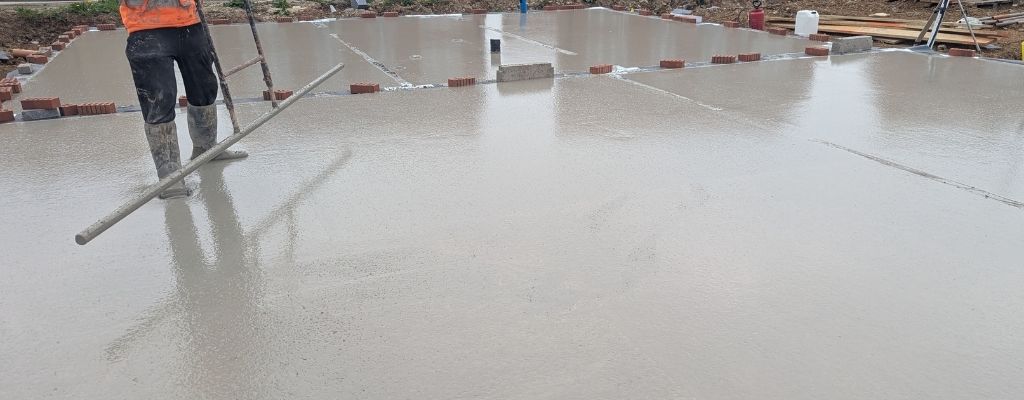
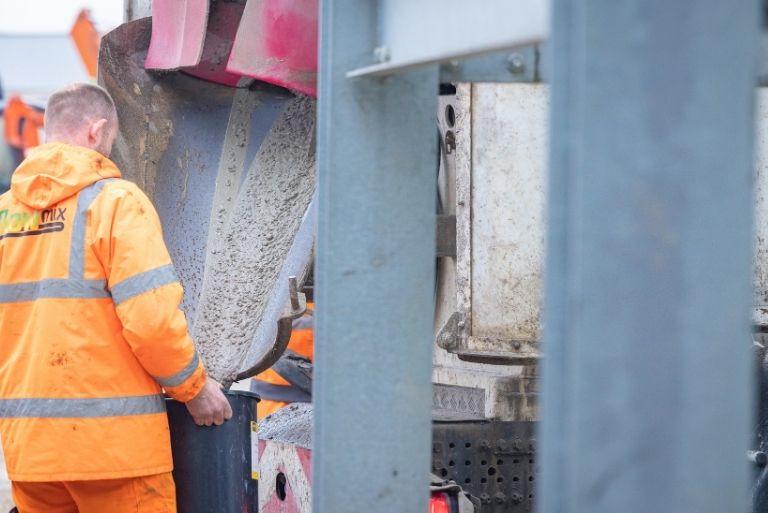
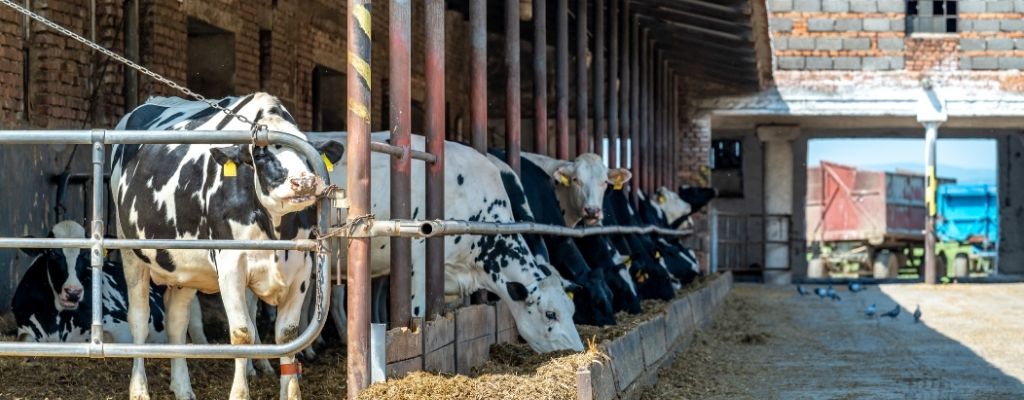
If you’re ready to order agricultural concrete Gloucester, choosing the right mix is one of the most important decisions you’ll make. Agricultural concrete is expected to withstand heavy machinery, livestock, harsh weather and constant daily use, so selecting the correct concrete mix is essential for achieving a durable, long-lasting surface.
When building a new silage clamp or laying a concrete base for an agricultural building, knowing the available options can help you avoid costly repairs and maximise the lifespan of your project.
✅ Order ready-mix or volumetric concrete today
✅ Free, fast quote within 24 hours
✅ Call, message or complete our simple online form
Flowmix Tewkesbury: Tel: 01684 217888
Why Agricultural Concrete Is Different
Agricultural environments are far more demanding than most domestic or commercial settings. Concrete on a working farm is exposed to heavy tractors, trailers, loaders and livestock every day. Many surfaces also come into contact with slurry, fertilisers, and other agricultural chemicals, which can gradually damage unsuitable concrete.
Choosing an agricultural concrete Gloucester supply isn’t simply about selecting the strongest concrete available. Every farming project has different requirements depending on its intended use, expected traffic and environmental conditions. To ensure you get the right mix for your project, a concrete supplier with experience can advise on the best concrete for your farming project.
Using the right ready-mix concrete helps ensure your finished surface performs reliably for many years while reducing maintenance costs.
Common Uses for Agricultural Concrete Gloucester
Agricultural concrete is used throughout modern farms for a wide variety of applications, including:
- Grain stores
- Farmyards
- Silage clamps
- Machinery sheds
- Feed storage areas
- Livestock buildings
- Concrete hardstanding
- Agricultural access roads
- Concrete bases for barns and outbuildings
Each farming project places different demands on the finished concrete. A livestock building, for example, may require different characteristics from a heavily trafficked machinery yard or a silage storage area.
Seeking advice before ordering your concrete helps ensure the correct mix is supplied for your application.
Need Expert Advice?
Speak to the team at Flowmix Tewkesbury, Gloucestershire. We are happy to help with all your concrete requirements. Contact us by email or telephone.
Flowmix Tewkesbury: Tel: 01684 217888
Choosing The Right Concrete Mix
Selecting the right ready-mix concrete is one of the most important parts of any agricultural project.
Concrete strength, durability and workability all influence how well the finished result stands the test of time. Areas carrying heavy machinery generally require higher-strength concrete, while locations exposed to slurry or chemicals may benefit from a mix designed to improve long-term durability.
Larger slabs may also require reinforcement to minimise movement and reduce the risk of cracking over time.
Discussing your project with an experienced supplier like Flowmix before arranging concrete pouring helps ensure the concrete is suitable for both the application and the site conditions.
Preparing The Site Before Concrete Pouring
Successful concrete pouring begins before the delivery arrives.
Proper preparation creates a stable foundation and significantly reduces the risk of future movement or settlement.
Site preparation should include:
- Building secure formwork.
- Providing adequate drainage.
- Excavating to the correct depth.
- Installing a well-compacted sub-base.
- Checking site access for delivery vehicles or concrete pumps.
Taking shortcuts during preparation often leads to problems later, regardless of the concrete’s quality.
Why Concrete Curing Matters
Fresh concrete continues to gain strength long after it has been poured.
Proper concrete curing helps retain moisture as the cement hydrates, allowing the slab to reach its intended strength. Poor curing can increase the likelihood of cracking, surface dusting and reduced durability.
Protecting newly poured concrete from hot weather, strong winds and frost gives it the best opportunity to cure correctly.
For more information, read our guide to concrete curing.
Conclusion
To sum up, choosing agricultural concrete Gloucester involves more than ordering concrete for delivery. Selecting the correct concrete mix, properly preparing the ground, carefully pouring concrete, and allowing sufficient curing time all contribute to a stronger, longer-lasting result.
Whether you’re installing a livestock building, silage clamp, or machinery base, investing in quality agricultural concrete Gloucester can help reduce maintenance needs, improve durability, and deliver reliable performance for many years.
How Flowmix Can Help with Your Project
Flowmix has two plants, Gloucester and Walsall. We provide the following services (with time slots):
✅ Ready-mix concrete, mix on-site (volumetric concrete)
✅ Traditional and liquid screed.
✅ Concrete line pump Hire to reduce manual labour and associated costs, increase efficiency, reduce wastage and clean up.
✅ Interlocking concrete blocks for temporary or permanent barriers.
✅ Mini-Mix loads up to 4 cubic metres.
Flowmix holds the BSA-approved Ready Mix Concrete Kitemark KM683844, a certification that “confirms a product or service’s claim has been independently and repeatedly tested by experts” (source BSI).
Flowmix Tewkesbury: Tel: 01684 217888 Flowmix Walsall: Tel: 01922 741731
Flowmix Tewkesbury Delivery Areas
| Bourton-on-the-Water |
| Brockworth |
| Chalford |
| Cheltenham |
| Chipping Campden |
| Cirencester |
| Droitwich Spa |
| Evesham |
| Gloucester |
| Great Malvern |
| Ledbury |
| Newent |
| Northleach |
| Pershore |
| Ross-on-Wye |
| Stow-on-the-Wold |
| Stroud |
| Tewkesbury |
| Worcester |