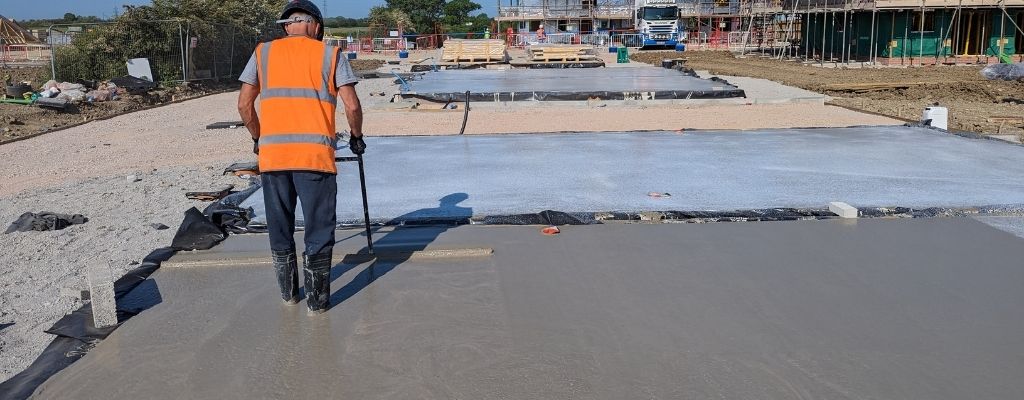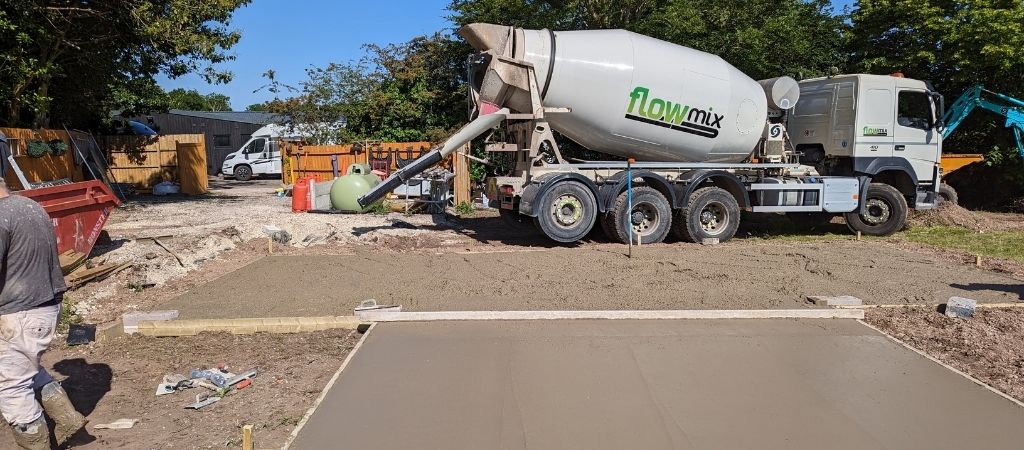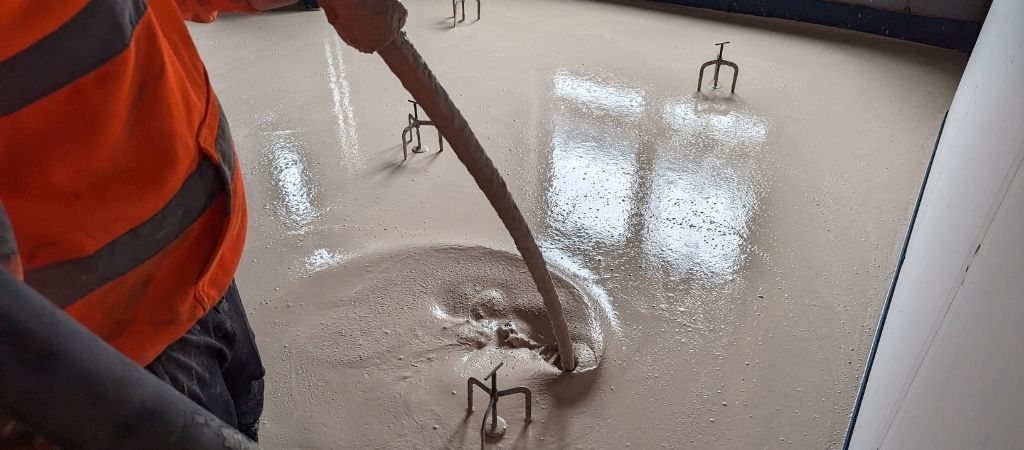
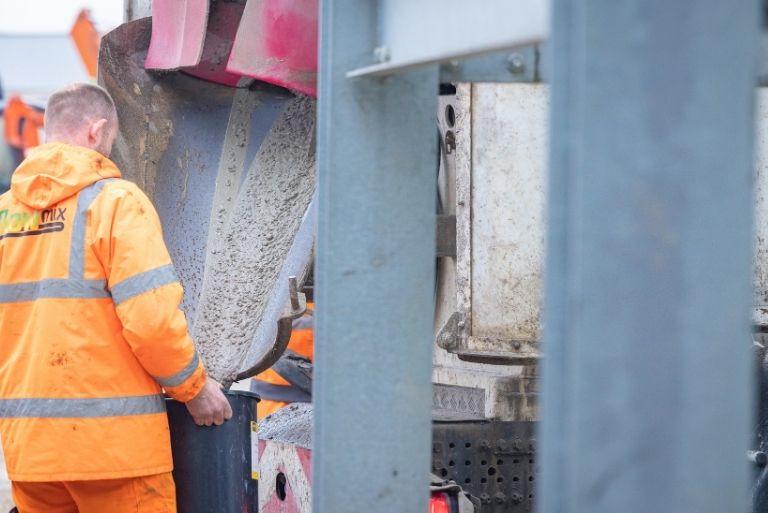
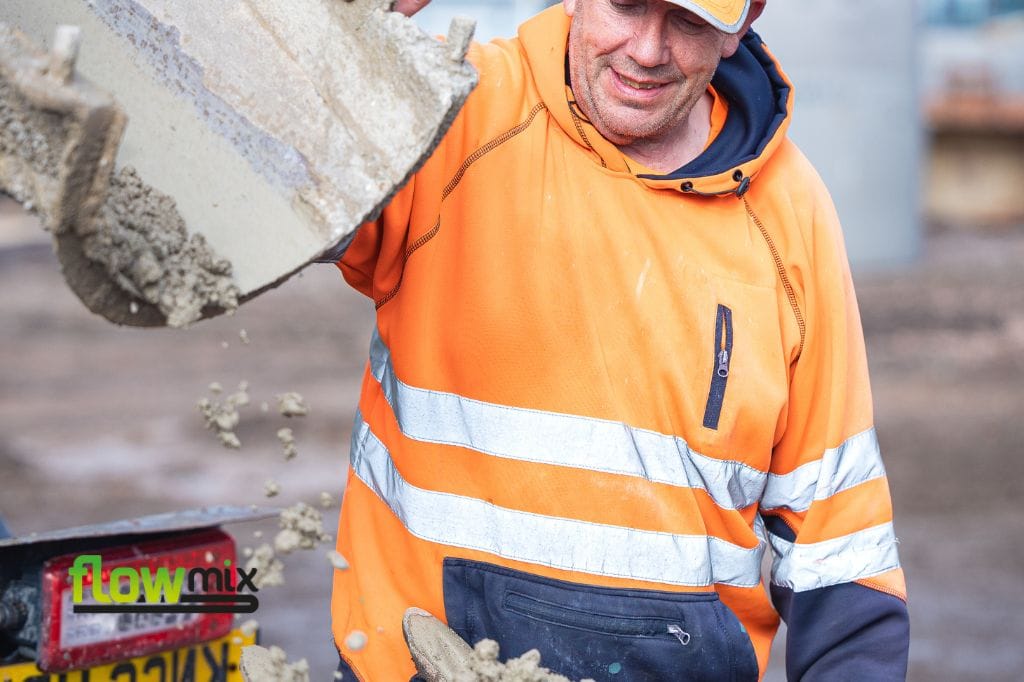
Pouring concrete in winter presents unique challenges, from freezing temperatures to slower curing times. Cold weather can cause concrete to set improperly, leading to cracks, reduced strength, and long-term durability issues. Still, with the proper techniques and precautions, it’s possible to achieve a strong, durable concrete pour even in harsh winter conditions.
This guide will cover essential tips for cold-weather concrete pouring, including preventing freezing, maintaining optimal curing conditions, and ensuring your concrete sets properly.
Whether working on a driveway, foundation, or patio, these expert strategies will help you get the best results when pouring concrete in low temperatures.
Monitor the Temperature Closely
When pouring concrete in winter, temperature control is crucial to achieving a strong and durable finish. Cold weather can significantly impact concrete curing, so knowing the key temperature thresholds will help you avoid potential issues.
Once temperatures drop below 5°C (41°F), concrete is considered to be in cold conditions. If left exposed for more than 24 hours, the water in the mix may not react properly, preventing the concrete from reaching its full strength. To avoid this, you’ll need to take extra precautions.
One effective method is insulating blankets or thermal covers to trap the heat generated during curing. That helps maintain the concrete’s temperature and ensures proper hydration, preventing weak or brittle results. It’s possible to achieve a smooth and long-lasting finish by keeping your concrete protected from the cold, even in winter conditions.
Preventing Frost and Freezing During a Winter Concrete Pour
When pouring concrete in winter, temperatures dropping below 5°C (41°F) start to create challenges, but the real trouble begins when they fall even lower. Without the proper precautions, freezing conditions can lead to wasted materials, lost time, and a weakened final product.
Protecting freshly poured concrete from freezing for at least 24 hours is essential. That means you’ll need to monitor the temperature on the day of the pour and the following day.
Since concrete contains a high percentage of water, it can be disastrous if ice crystals form within the mix. When water freezes, it expands, disrupting the essential hydration process that gives concrete its strength. If that happens, your concrete could end up with only 50% of its intended strength, making it unsuitable and even dangerous for use in construction.
Another common winter hazard is frost buildup in trenches and cavities. These areas can accumulate hidden frost, which may not be immediately evident. Pouring concrete over a frozen surface can lead to an uneven set and increase the risk of concrete freezing on contact.
Before starting your pour, always check for frost and ensure the ground is adequately thawed to create a stable base.
Read: Concrete Weather Conditions: Flowmix Gloucester Top Tips
5 Ways to Protect Concrete Pouring in Winter
If you have no choice but to work in cold temperatures, the following 5 tips for concrete pouring in winter will help ensure a successful concrete pour.
Tip 1: Use Warm Water in the Concrete Mix
Cold temperatures cause issues by slowing down the chemical reaction that helps concrete set, which can lead to weak or improperly cured slabs. To counter this, use warm water when mixing your concrete. That helps maintain a higher initial temperature, allowing the concrete to begin curing correctly before the cold can interfere.
However, avoid using hot water, as excessive heat can cause the mix to set too quickly, leading to cracks or uneven curing. Aim for a water temperature between 21°C and 38°C (70°F–100°F) for optimal results.
Additionally, try storing your other materials—such as sand, gravel, and cement—in a warmer area before mixing.
Need Expert Advice?
Speak to the team at Flowmix Tewkesbury or Walsall. We are happy to help with all your concrete requirements.
Flowmix Tewkesbury: 01684 217888 Flowmix Walsall: Tel: 01922 741731
Tip 2: Adjust the Concrete Mix for Cold Weather
Modifying the mix when pouring concrete in winter can help it set properly despite the cold. One effective adjustment is increasing the cement-to-water ratio, which generates more internal heat and speeds up curing. In addition, you can use accelerating admixtures, such as calcium chloride or non-chloride accelerators. These additives can help the concrete gain strength faster.
However, if you’re working with reinforced concrete, avoid excessive use of calcium chloride, as it can cause steel rebar to corrode over time. Instead, opt for non-chloride accelerators, which provide a safer alternative without compromising durability.
Also, low-slump concrete (with less water) can help reduce the risk of freezing while maintaining strength. If conditions are exceptionally cold or freezing, consider using warm water in the mix and pre-warming your aggregates to prevent rapid temperature drops during placement.
Read: Top 9 Factors Affecting Concrete Strength
Tip 3: Keep the Concrete Covered for Longer
Concrete takes longer to gain strength in cold weather, so proper insulation is essential to prevent freezing and ensure a strong finish. After pouring, cover the concrete with thermal blankets, insulated tarps, or plastic sheeting to retain heat and protect it from temperature drops. It’s imperative during the first 24 to 48 hours when the concrete is most vulnerable.
Consider layering straw or foam boards beneath the blankets for even better insulation to trap additional heat. If you anticipate temperatures dropping significantly, heated enclosures or portable heaters can help maintain ideal curing conditions.
Keeping the concrete covered longer than usual—typically at least a week in cold weather—ensures proper hydration and prevents cracking or weak spots.
Ready to Order Ready-Mix or Volumetric Concrete?
If you are ready to order a ready-mix concrete delivery, speak to the team at Flowmix Tewkesbury or Walsall. We will help you select the right mix and quantities and arrange for fast delivery to your site.
Flowmix Tewkesbury: 01684 217888 Flowmix Walsall: Tel: 01922 741731
Tip 4: Avoid Late-Day Pours
Timing is crucial when pouring concrete in winter. Schedule your pour early in the day to take advantage of warmer temperatures and allow the concrete to develop strength before nightfall. If you pour too late in the afternoon, the concrete may not have enough time to generate sufficient heat before freezing temperatures set in.
Since overnight temperatures tend to drop significantly, fresh concrete is at a higher risk of freezing if placed too late in the day. Starting early in the morning gives it the best chance to set correctly and maintain a stable temperature throughout the crucial early curing period.
If a late-day pour is unavoidable, use insulated blankets and heating methods to prevent temperature-related issues.
Tip 5: Use Windbreaks and Heated Enclosures
Cold winds can rapidly lower the temperature of freshly poured concrete, increasing the risk of surface freezing, uneven curing, and moisture loss. Set up windbreaks using temporary walls, plastic sheeting, or plywood barriers around the worksite to protect your pour. These help shield the concrete from wind chill and maintain a more stable environment for proper curing.
For even better protection in extreme cold, consider using heated enclosures. Portable heaters or ground thawing blankets can keep the surrounding air and concrete warm enough to prevent freezing. Just be sure to monitor the heat levels—excessive heat can cause the surface to cure too quickly while the interior remains weak, leading to cracking.
Controlling exposure to wind and cold air creates the ideal conditions for a strong, durable concrete pour, even in winter.
Conclusion
Pouring concrete in winter presents unique challenges, but you can ensure a successful pour with the proper precautions. Key tips include monitoring the temperature closely and using warm water in the mix to promote correct curing.
Adjusting the concrete mix with accelerating admixtures or a higher cement content helps it set faster in cold weather. Proper insulation, such as thermal blankets or heated enclosures, is essential to prevent freezing and maintain consistent curing temperatures.
Additionally, scheduling the pour early in the day and using windbreaks can protect the concrete from harsh conditions and ensure a strong, durable finish. By following these cold weather guidelines, you can confidently tackle a winter concrete pour and achieve a high-quality result.
How Flowmix Can Help With Your Project
Flowmix has two plants, Gloucester and Walsall. We provide the following services (with time slots):
- Ready-mix concrete, mix on-site (volumetric concrete) and liquid screed.
- Concrete line pump Hire to reduce manual labour and associated costs, increase efficiency, reduce wastage and clean up.
- Interlocking concrete blocks for temporary or permanent barriers.
- Mini-Mix loads up to 4 cubic metres.
- ✅
- Flowmix holds the BSA-approved Ready Mix Concrete Kitemark KM683844, a certification that “confirms a product or service’s claim has been independently and repeatedly tested by experts” (source BSI).
Flowmix has the BSA-approved Ready Mix Concrete Kitemark KM683844, a certification that “confirms a product or service’s claim has been independently and repeatedly tested by experts” (source BSI).
Flowmix Tewkesbury: 01684 217888 Flowmix Walsall: Tel: 01922 741731
Flowmix Delivery Areas
| Tewkesbury | Walsall Plant |
| Bourton-on-the-Water | Aldridge |
| Brockworth | Barton-Under-Needwood |
| Chalford | Birmingham |
| Cheltenham | Brownhills |
| Chipping Campden | Burntwood |
| Cirencester | Burton Upon Trent |
| Droitwich Spa | Cannock |
| Evesham | Coleshill |
| Gloucester | Dudley |
| Great Malvern | Great Haywood |
| Ledbury | Lichfield |
| Newent | Norton Canes |
| Northleach | Penkridge |
| Pershore | Rugeley |
| Ross-on-Wye | Stafford |
| Stow-on-the-Wold | Tamworth |
| Stroud | Walsall |
| Tewkesbury | West Bromwich |
| Worcester | Wolverhampton |
FAQs
Can I Pour Concrete In Freezing Temperatures?
Yes, but it requires extra precautions. Concrete should not freeze within the first 24 hours of pouring. Warm water and thermal blankets to protect the concrete from frost are essential for properly curing in freezing temperatures.
What Is The Best Temperature For Pouring Concrete In Winter?
The ideal temperature for pouring concrete in winter is above 5°C (41°F). If temperatures drop lower, you’ll need to take additional measures to prevent freezing and ensure the concrete cures properly.
How Can I Speed Up The Concrete Curing Process In Cold Weather?
To speed up curing in cold weather, you can use warm water in the mix, accelerating admixtures like calcium chloride, or increase the cement content to generate more heat. Just be cautious with calcium chloride if using reinforced concrete. If you are unsure, contact Flowmix for advice.
How Long Should Concrete Stay Covered In Winter?
Cover the concrete for at least 24-48 hours after pouring to keep it insulated and prevent freezing. We recommend covering the concrete for up to a week in extremely cold conditions to ensure proper hydration and strength.
What Are The Risks Of Pouring Concrete In Winter?
The principal risks of pouring concrete in winter include freezing, which disrupts the curing process, leading to weak concrete. Frost and freezing temperatures can also cause cracking, uneven setting, and failure to reach the desired strength, making proper preparation and protection crucial.