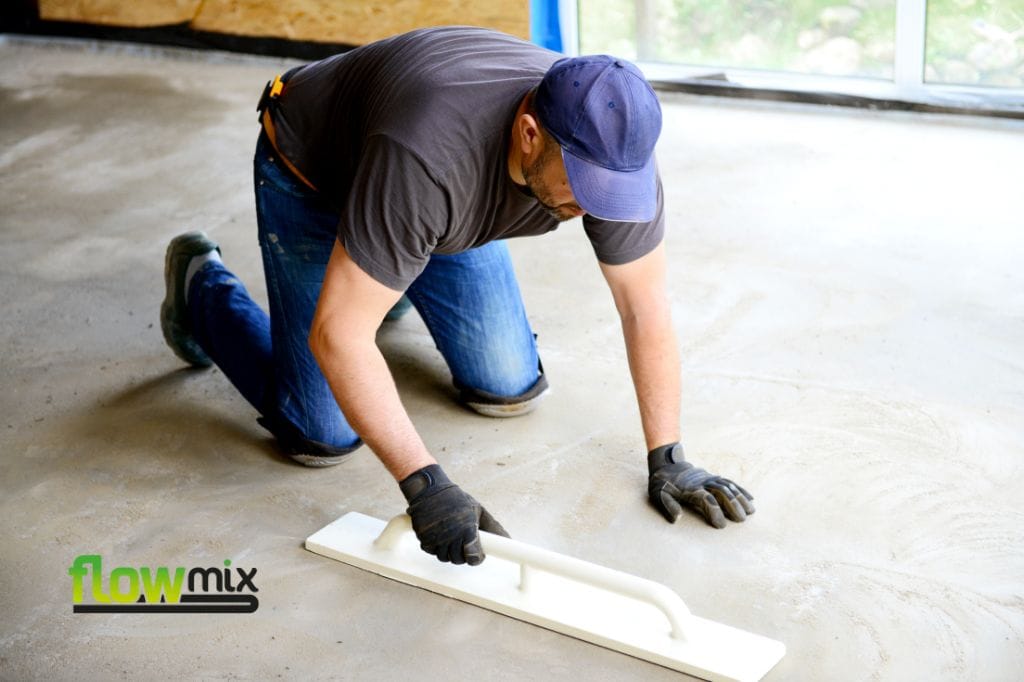
Is your concrete floor looking worse for wear? Cracks, flakes, or stubborn stains might seem minor issues, but they could be signs that your concrete floor needs replacing. Ignoring these problems can lead to safety issues, decreased property value, and even structural damage.
The reality is that concrete floors don’t last forever. Over time, heavy foot traffic, water exposure, and foundation shifts can take a toll. Cracks may indicate deeper foundation issues, while spalling (when the surface flakes or chips away) often points to moisture damage.
If your concrete floor needs replacing, addressing it sooner rather than later can restore safety, enhance functionality, and even boost the value of your space. At Flowmix, we have decades of combined expertise in concrete solutions, ensuring a seamless and stress-free replacement process.
If you’re unsure if it’s time to replace your concrete floor, read on to learn the three key warning signs and how we can help.
#1: Spalling: When Moisture Wreaks Havoc on Your Concrete Floor
One of the biggest red flags that your concrete floor needs replacing is spalling—also known as scaling. It happens when moisture seeps into the concrete, causing the surface to flake, peel, or crumble. At first, it might seem like a minor cosmetic issue, but spalling can seriously weaken your floor’s structural integrity over time. If left unaddressed, spalling can lead to bigger (and costlier) problems and make your space unsafe.
What Causes Spalling?
If your concrete floor needs replacing, spalling could be one of the main culprits. Still, what exactly causes it? Here are the typical factors behind this common issue:
- Freeze-Thaw Cycles: In colder weather, moisture seeps into the concrete, then freezes and expands, breaking down the surface over time.
- Corroding Reinforcements: If steel reinforcements inside the concrete get exposed to moisture, they can rust. That puts stress on the surrounding material and causes cracking and flaking.
Signs to Watch For
Not sure if spalling is affecting your floor? Here’s what to look out for:
- Flaky or uneven surfaces that feel rough to the touch.
- Visible rust or corrosion on exposed reinforcements.
- Small surface cracks that worsen over time as moisture seeps in.
Repair or Replace?
In some cases, it’s possible to repair minor spalling with resurfacing. However, if the damage is severe, your concrete floor needs replacing to restore strength and safety. Ensure your floors are properly sealed and have good drainage to prevent future spalling.
Read: 5 DIY Concrete Pouring Dangers: When to Call A Professional
Need Expert Advice?
Speak to the team at Flowmix Tewkesbury or Walsall. We are happy to help with all your concrete requirements.
Flowmix Tewkesbury: 01684 217888 Flowmix Walsall: Tel: 01922 741731
#2: Cracking: A Sign Your Concrete Floor Needs Replacing
Cracks in your concrete floor aren’t just an eyesore. They can be a warning sign of deeper structural issues. While minor hairline cracks might not seem like a big deal, larger or widening cracks can compromise the floor’s durability and load-bearing capacity.
Not all cracks are the same, and understanding their severity is key to determining whether a simple repair will do or if your concrete floor needs replacing. Ignoring serious cracks could lead to bigger problems, so it’s essential to assess the damage early.
Types of Cracking
Not all cracks are created equal! Some might just be cosmetic, while others signal that your concrete floor needs replacing. The following are the most common types:
- Pressure Cracks: These cracks appear when the floor has more weight loading than it can handle, such as heavy machinery, vehicles, or industrial equipment.
- Heaving Cracks: These cracks occur from movement beneath the concrete. They result from tree roots, soil expansion, or foundation settling. They tend to widen over time, creating uneven surfaces and trip hazards.
When to Worry About Cracking
If you spot any of the following signs, your concrete floor needs replacing sooner rather than later.
- Wide, deep cracks spreading across the surface and getting worse with use.
- Cracks combined with water seepage or spalling (flaking concrete).
- Uneven slabs or gaps form between sections, making the floor unsafe.
Repair or Replace?
Hairline cracks aren’t a problem because you can usually fill and repair them. But if the cracks are large, deep, or affecting the strength of your floor, a complete replacement is the best solution. Delaying action can make the damage worse, leading to even higher repair costs down the road.
Read: How to Lay a Concrete Driveway: A 12-Step Beginners Guide
#3: Discolouration: Why It’s More Than Just a Cosmetic Issue
It’s easy to overlook discolouration on concrete floors, but it can be a warning sign that your concrete floor needs replacing. While stains and fading might seem like minor aesthetic issues, they often point to deeper problems that affect durability and structural integrity.
Water exposure, chemical spills, and even algae growth can cause discolouration, slowly weakening the surface. If ignored, these issues can lead to cracks, spalling, and further deterioration, turning what seemed like a cosmetic concern into a major repair headache.
What Causes Discolouration?
Discolouration could be an early warning sign that your concrete floor needs replacing. Here’s what might be behind those unsightly stains:
- Moisture Damage: Damp conditions promote algae and fungi growth, which can eat away at the concrete’s surface over time.
- Chemical Stains: Oils, salts, and industrial chemicals seep into the concrete, leaving permanent stains and weakening its structure.
- UV Exposure: Outdoor, poorly sealed concrete can fade unevenly in prolonged sunlight, creating patchy, worn-out areas.
Read: Concrete Weather Conditions: Flowmix Gloucester Top Tips
Why It Matters
At first, discolouration might not seem like a big deal. However, in many cases, it signals deeper problems like moisture infiltration or chemical corrosion. These issues, if left unchecked, can compromise the strength of your floor. Over time, this damage can escalate, leading to cracks, spalling, and even costly structural repairs.
If your concrete floor needs replacing, it is best to address discolouration before it becomes problematic.
When to Act
Wondering whether your concrete floor needs replacing or just a quick fix? Here’s how to decide:
- Repair: If the discolouration is limited to surface stains or fading, polishing or sealing can help restore its appearance and protect the concrete.
- Replace: If discolouration comes with cracks, algae growth, or spalling, a complete replacement may be necessary to prevent further deterioration.
Ready to Order Ready-Mix or Volumetric Concrete?
If you are ready to order a ready-mix concrete delivery, speak to the team at Flowmix Tewkesbury or Walsall. We will help you select the right mix and quantities and arrange for fast delivery to your site.
Flowmix Tewkesbury: 01684 217888 Flowmix Walsall: Tel: 01922 741731
When to Repair vs. Replace Your Concrete Floor
Not all concrete damage calls for a complete overhaul. Here’s what to consider before making a decision:
- The Extent of Damage: Surface-level stains and minor cracks are often repairable, but widespread structural damage means your concrete floor needs replacing.
- Usage Requirements: High-traffic (or industrial areas) need more substantial, durable solutions to withstand long-term wear and tear.
- Cost vs. Longevity: Repairs may be a quick and budget-friendly fix, but replacing your floor ensures a long-term, durable solution.
If you’re unsure whether to repair or replace, consulting with our expert Flowmix team can help you make the best choice for your space.
Read: Ordering Ready Mix Concrete: A Homeowners Guide
Upgrade Your Concrete Floors with Confidence!
Your property deserves a strong, durable foundation, and when your concrete floor needs replacing, acting fast can save you time, money, and stress. Whether dealing with spalling, cracking, or discolouration, addressing the issue early prevents further damage and costly repairs.
At Flowmix, we provide high-quality, ready-mix concrete solutions tailored to your needs. You can confidently upgrade your floors with our reliable service and expertise. Take advantage of our no-risk consultation and see how we can help.
How Flowmix Can Help With Your Project
Flowmix has two plants, Gloucester and Walsall. We provide the following services (with time slots):
- Ready-mix concrete, mix on-site (volumetric concrete) and liquid screed.
- 200′ Concrete line pump Hire to reduce manual labour and associated costs, increase efficiency, reduce wastage and clean up.
- Interlocking concrete blocks for temporary or permanent barriers.
Flowmix has the BSA-approved Ready Mix Concrete Kitemark KM683844, a certification that “confirms a product or service’s claim has been independently and repeatedly tested by experts” (source BSI).
Flowmix Tewkesbury: 01684 217888 Flowmix Walsall: Tel: 01922 741731
FAQs
What Are The Most Common Signs My Concrete Floor Needs Replacing?
Cracks, uneven surfaces and crumbling edges are clear warning signs your concrete floor may need replacing. You might also notice sinking or pooling water, which indicates structural issues beneath the surface. Over time, these problems can worsen and affect the safety and appearance of your property.
Can Cracked Concrete Be Repaired Instead Of Replaced?
Minor cracks can often be repaired, but if the damage runs deep or the slab has shifted, a full replacement is usually more effective. A professional assessment will determine whether patching is enough or if the integrity of the floor has been compromised.
What Causes Concrete Floors To Deteriorate Over Time?
Several factors can weaken a concrete floor, including poor drainage, sub-base movement, freeze-thaw cycles and heavy loads. Age also plays a major role, as older concrete gradually loses its strength and stability without proper maintenance.
How Long Does It Take To Replace A Concrete Floor?
The timeframe depends on the size and complexity of the area. Most residential projects can be completed within a few days, including removal, preparation and curing time. Professional concrete teams ensure minimal disruption and a high-quality finish that lasts.
Can A New Concrete Floor Add Value To My Property?
Absolutely. A newly laid concrete floor improves safety, appearance and functionality. It also enhances the overall value of your property, particularly in garages, workshops and commercial spaces where durability is key.