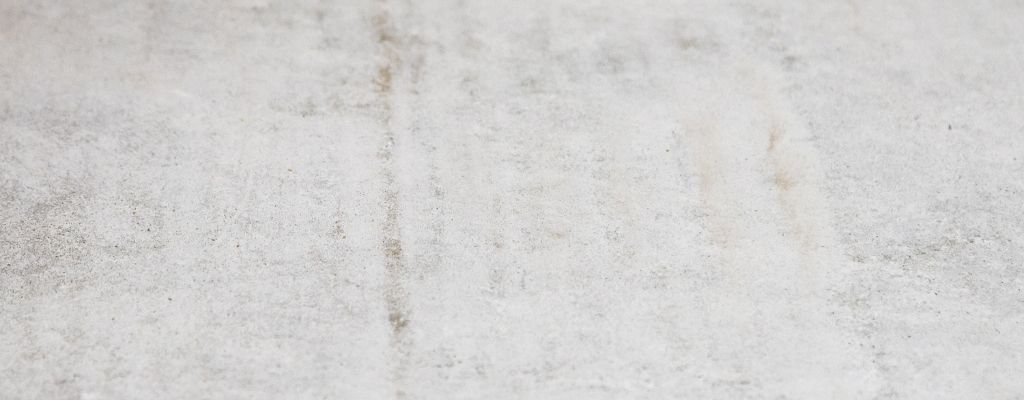
Screed laitance is a thin, weak layer that can develop on the surface of certain types of floor screed. It might not look particularly troublesome, but leaving it in place can cause problems when you install tiles, vinyl, or other floor coverings.
Understanding what causes screed laitance, how to spot it and when it needs removing can help you avoid problems with the finished floor.
✅ Order liquid screed today
✅ Free, fast quote within 24 hours
✅ Call, message or complete our simple online form
Flowmix Tewkesbury: Tel: 01684 217888 Flowmix Walsall: Tel: 01922 741731
What Is Screed Laitance?
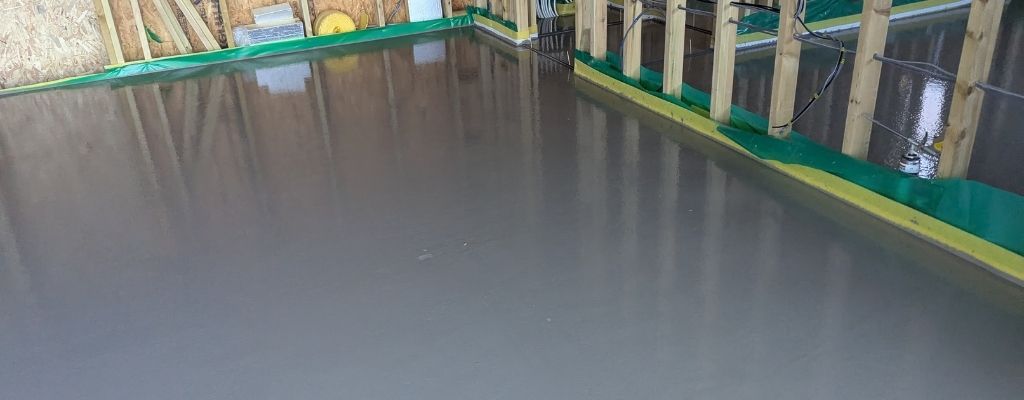
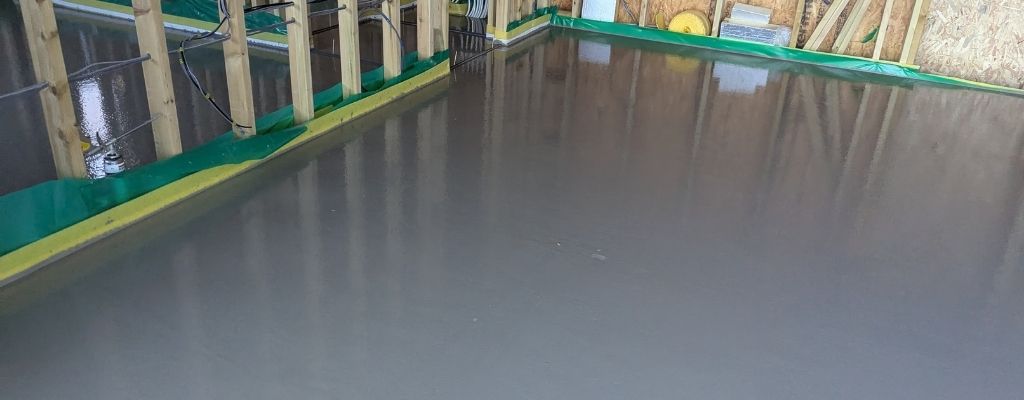
As screed settles, fine particles can gather on the surface, forming what’s known as screed laitance. This leaves a thin, sometimes powdery coating that isn’t as strong as the screed beneath it.
It’s particularly associated with calcium sulphate screeds, often referred to as anhydrite screeds, although the amount of laitance produced varies between products.
Some modern liquid screeds are formulated to produce little or no laitance, so sanding isn’t automatically necessary for every installation.
Where a weak surface layer is present, however, it may need removing before primers, adhesives or floor coverings can be applied.
What Causes Screed Laitance?
When screed is installed, the materials within the mix begin to settle. In some formulations, fine particles can rise or become concentrated near the surface, leaving a relatively weak layer as the screed hardens.
Several factors can influence how much laitance develops.
Screed Composition
Different screed products behave differently during installation and drying. Traditional calcium sulphate liquid screeds are often associated with laitance formation, while some newer formulations are designed to minimise it.
The manufacturer’s product information should explain whether surface preparation is normally required.
Excess Water
Adding more water than the screed manufacturer recommends can affect the way materials settle and may increase the risk of surface weakness.
It can also alter the screed’s performance, so water should never be added to make the material easier to work with unless the manufacturer permits it.
Installation Methods
Correct installation helps the screed achieve the intended surface quality.
Poor mixing, incorrect handling or unsuitable installation techniques may contribute to surface defects. However, screed laitance can still form even when the material has been installed correctly, depending on the product used.
How to Identify Screed Laitance
Before laying flooring, check that the screed surface is sound and suitable for the next stage of work.
Screed laitance isn’t always immediately obvious, particularly if the surface looks relatively smooth.
Some signs to look for include:
- A dusty surface: Fine powder may come away when the screed is rubbed or brushed.
- A weak surface layer: The top of the screed may scratch or crumble more easily than the material beneath.
- Loose surface particles: Fine material may remain after ordinary cleaning.
- Poor surface strength: The surface may not provide a suitable bond for primers or adhesives.
These signs don’t necessarily prove that laitance is present. Dust, surface contamination and other screed defects can produce similar symptoms.
If there’s any doubt about the condition of the screed, further assessment may be needed before flooring work begins.
Why Does Screed Laitance Need Removing?
The main concern with screed laitance is that it can interfere with the bond between the screed and the materials applied over it.
Flooring adhesives, primers and smoothing compounds need a suitable surface to achieve reliable adhesion.
If these products are applied over a weak layer, they may bond to the laitance rather than the sound screed underneath.
This can lead to several problems.
Poor Adhesion
Adhesives may struggle to form a reliable bond with a weak or powdery surface. Even if the flooring initially appears secure, the bond may fail under normal use.
Flooring Debonding
If the laitance layer separates from the screed beneath it, the flooring system above may also become detached.
This can affect tiles, vinyl, resin finishes and other bonded floor coverings.
Problems with Levelling Compounds
Smoothing and levelling compounds also require a suitable substrate. Applying them over loose or weak surface material can compromise adhesion and affect the finished floor.
Removing screed laitance where necessary helps provide a sounder surface for subsequent flooring work.
How to Remove Screed Laitance
The most suitable method for removing screed laitance depends on the screed type, the surface condition, and the manufacturer’s recommendations.
Not every screed needs sanding, and using unnecessarily aggressive equipment can damage the floor.
Mechanical Sanding
Mechanical sanding is commonly used to remove laitance from traditional calcium sulphate screeds.
Specialist floor sanding equipment removes the weak surface layer, exposing the sound screed beneath.
The equipment and abrasive grade should be appropriate for the material. The aim is to remove the laitance without taking away excessive screed or damaging the finished levels.
Grinding and Other Mechanical Methods
Where the surface layer is particularly stubborn, other mechanical preparation methods may be considered.
Grinding can remove surface material more aggressively than sanding, so it needs careful control.
Not all screeds are suitable for grinding or other intensive preparation methods. Always check the product guidance before choosing a method.
Cleaning the Surface
Once the laitance has been removed, the floor needs a thorough clean.
Use suitable industrial vacuum equipment to remove dust and loose particles. Simply sweeping the surface may leave fine material behind.
The prepared screed should then be checked to make sure the surface is sound and free from anything that could interfere with the next stage of work.
When to Remove Screed Laitance
The timing of screed laitance removal depends on the screed formulation and the manufacturer’s instructions.
Some traditional calcium sulphate screeds require sanding within a specified period after installation. Other products may have different preparation requirements or may not need sanding at all.
Attempting to sand screed before it has gained sufficient strength can damage the surface. Leaving preparation too late may also make the work more difficult with certain products.
For this reason, it’s important to establish the preparation requirements when the screed is specified rather than waiting until the flooring contractor arrives.
Removing laitance doesn’t mean the screed is dry enough for flooring. Moisture testing and any necessary drying time are separate requirements.
Need Expert Advice?
Speak to the team at Flowmix Tewkesbury, Gloucestershire or Aldridge, Walsall. We are happy to help with all your concrete requirements. Contact us by email or telephone.
Flowmix Tewkesbury: Tel: 01684 217888 Flowmix Walsall: Tel: 01922 741731
Can Screed Laitance Be Prevented?
Whether screed laitance develops depends largely on the product formulation, although proper handling and installation also matter.
The following measures can help reduce avoidable surface problems:
- Use the screed specified for the project.
- Follow the manufacturer’s mixing and installation instructions.
- Avoid adding unauthorised water.
- Use the recommended installation and finishing techniques.
- Follow the specified drying and curing procedures.
Some modern liquid screeds are designed to minimise laitance formation, reducing the need for mechanical surface preparation.
However, even products described as low-laitance or laitance-free may require cleaning, inspection or other preparation before flooring is installed.
Always follow the guidance for the particular screed used.
Preparing Screed for Floor Coverings
Once any necessary screed laitance removal is complete, there are still a few checks to make before installing the final floor covering.
Check the Moisture Content
Screed needs to be sufficiently dry for the intended flooring system.
The acceptable moisture level depends on the screed type, floor covering and adhesive system.
Use an appropriate moisture testing method and follow the relevant manufacturer’s requirements rather than relying on appearance alone.
Check the Surface Condition
The screed should be sound, clean and free from loose material, dust and contaminants.
Assess and address any cracks, damaged areas, or surface defects before flooring installation.
Use Compatible Primers and Adhesives
Not all flooring products are suitable for every screed type.
Calcium sulphate screeds, in particular, may require specific primers or preparation when using cement-based adhesives or levelling compounds.
Check compatibility with the flooring system manufacturer before starting work.
Follow the Flooring Specification
Different floor coverings have different requirements for moisture, surface strength, flatness and preparation.
Meeting these requirements helps reduce the risk of problems after installation.
Liquid Screed Supply from Flowmix
Understanding screed laitance and the preparation requirements of your chosen product is an important part of planning a flooring project.
Flowmix supplies Gyvlon and Cemfloor liquid screed for domestic and commercial applications.
If you’re planning a new screeded floor, it’s worth confirming the product specification, installation requirements and any necessary surface preparation before work begins.
How Flowmix Can Help with Your Project
Flowmix has two plants, Gloucester and Walsall. We provide the following services (with time slots):
✅ Ready-mix concrete, mix on-site (volumetric concrete)
✅ Traditional and liquid screed.
✅ Concrete line pump Hire to reduce manual labour and associated costs, increase efficiency, reduce wastage and clean up.
✅ Interlocking concrete blocks for temporary or permanent barriers.
✅ Mini-Mix loads up to 4 cubic metres.
Flowmix holds the BSA-approved Ready Mix Concrete Kitemark KM683844, a certification that “confirms a product or service’s claim has been independently and repeatedly tested by experts” (source BSI).
Flowmix Tewkesbury: Tel: 01684 217888 Flowmix Walsall: Tel: 01922 741731
Flowmix Delivery Areas
| Tewkesbury | Walsall Plant |
| Bourton-on-the-Water | Aldridge |
| Brockworth | Barton-Under-Needwood |
| Chalford | Birmingham |
| Cheltenham | Brownhills |
| Chipping Campden | Burntwood |
| Cirencester | Burton Upon Trent |
| Droitwich Spa | Cannock |
| Evesham | Coleshill |
| Gloucester | Dudley |
| Great Malvern | Great Haywood |
| Ledbury | Lichfield |
| Newent | Norton Canes |
| Northleach | Penkridge |
| Pershore | Rugeley |
| Ross-on-Wye | Stafford |
| Stow-on-the-Wold | Tamworth |
| Stroud | Walsall |
| Tewkesbury | West Bromwich |
| Worcester | Wolverhampton |