Whether you’re building a house extension, garage, garden room or a new home, concrete foundations are one of the most important parts of any construction project. They support the weight of the structure, transfer loads safely into the ground and provide the stable base every building needs.
Getting your foundations right from the start can save time, money and costly repairs later. In this guide, we’ll explain the different types of concrete foundations, how they’re designed, the best concrete to use and the common mistakes to avoid.
✅ Order ready-mix or volumetric concrete today
✅ Free, fast quote within 24 hours
✅ Call, message or complete our simple online form
Flowmix Tewkesbury: Tel: 01684 217888 Flowmix Walsall: Tel: 01922 741731
What Are Concrete Foundations?
Concrete foundations are the structural base of a building. They help distribute the weight evenly into the ground, preventing excessive settlement and ensuring long-term stability.
The design of a foundation depends on several factors, including the size of the building, the type of soil, nearby trees, groundwater levels and the recommendations of a structural engineer. Every project is unique, so the correct foundation should always be designed to suit the site conditions.
Why Are Concrete Foundations Important?
Strong concrete foundations do much more than simply support walls. They help keep buildings level, reduce the risk of cracking and provide the strength needed to carry structural loads safely into the ground.
Poorly designed or installed foundations can lead to movement, uneven floors and expensive structural repairs. Investing in quality foundations from the outset gives your building the best possible start.
Types of Concrete Foundations
- Strip Foundations: The common option for house extensions and many domestic buildings. Concrete is poured into continuous trenches beneath load-bearing walls, spreading the weight evenly into the ground.
- Trench Fill Foundations: These foundations are similar to strip foundations, but the trench is filled almost entirely with concrete. Although it uses more material, it can speed up construction by reducing the amount of brickwork needed below ground level.
- Raft Foundations: Raft foundations use a reinforced concrete slab that supports the entire building. They are often chosen where ground conditions are poor or where loads need to be spread over a larger area.
- Pile Foundations: Used when the stable ground is deeper below the surface. Reinforced concrete or steel piles transfer the building’s weight to stronger ground before supporting the structure above.
How Deep Should Concrete Foundations Be?
There is no standard depth for concrete foundations because every site presents different challenges.
Several factors influence foundation depth, including:
- Soil type
- Nearby trees
- Groundwater levels
- Local Building Regulations
- The size and weight of the building
For example, clay soils can shrink during dry weather and expand when wet, meaning deeper foundations are often required to minimise movement.
Need Expert Advice?
Speak to the team at Flowmix Tewkesbury, Gloucestershire or Aldridge, Walsall. We are happy to help with all your concrete requirements. Contact us by email or telephone.
Flowmix Tewkesbury: Tel: 01684 217888 Flowmix Walsall: Tel: 01922 741731
Choosing the Right Concrete
Selecting the correct concrete is just as important as choosing the right foundation design.
For many domestic projects, GEN3 (C25) concrete is commonly specified because it provides an excellent balance of strength, durability and workability. However, the exact mix should always follow the recommendations of the Building Control Office or structural engineer
The right concrete should be selected based on:
- Structural loading
- Ground conditions
- Exposure to moisture
- Sulphate levels in the soil
- Reinforcement requirements
Using the correct mix helps ensure your concrete foundations achieve the required strength and durability.
Preparing the Ground
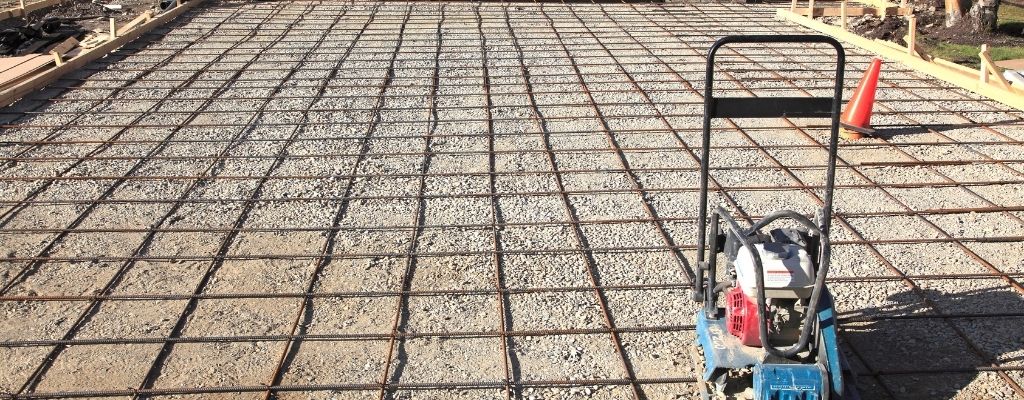
Before pouring concrete, careful preparation is essential and typically involves setting out accurately, removing loose material, and levelling the trench base. You then excavate to the correct depth and install reinforcement if required. After that, it’s just a case of arranging Building Control inspections before you start pouring.
Pouring Concrete Foundations
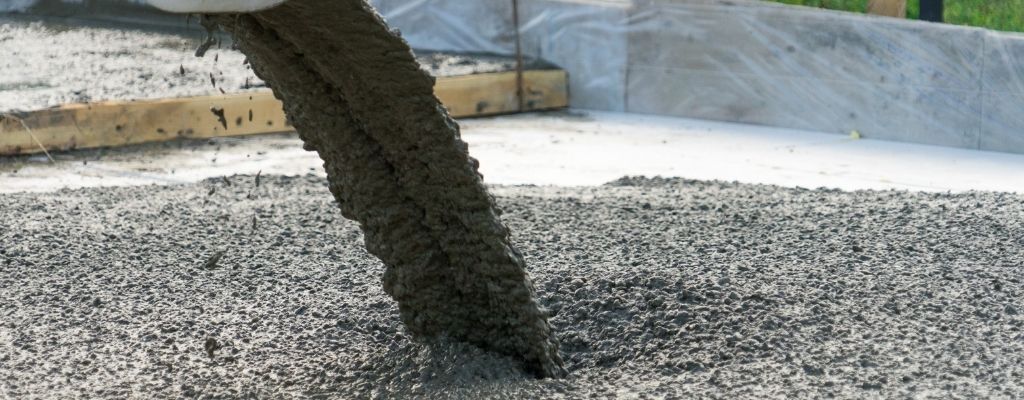
Concrete should ideally be poured continuously to avoid weak joints and compacted properly to remove trapped air before the surface is levelled.
Fresh concrete should be protected during very hot, wet or freezing weather to allow it to cure correctly.
How Long Do Concrete Foundations Take to Cure?
Concrete begins setting within a few hours, but curing takes much longer. It sets initially within a few hours, and light work can continue after 24 to 48 hours. Most strength develops during the first 7 days, but full design strength is usually reached around day 28.
Common Mistakes to Avoid
Many problems with concrete foundations result from avoidable mistakes, including:
- Poor ground preparation
- Ignoring ground conditions
- Excavating to the wrong depth
- Using an unsuitable concrete mix
- Ordering the wrong quantity of concrete
- Pouring during unsuitable weather without proper protection
Taking time to plan each stage carefully can help avoid costly problems later.
Conclusion
Strong concrete foundations provide the stable base every successful building project depends on. By selecting the right type of foundation, preparing the ground properly and using the correct concrete mix, you’ll create a structure that remains safe, durable and reliable for years to come.
How Flowmix Can Help with Your Project
Flowmix has two plants, Gloucester and Walsall. We provide the following services (with time slots):
✅ Ready-mix concrete, mix on-site (volumetric concrete)
✅ Traditional and liquid screed.
✅ Concrete line pump Hire to reduce manual labour and associated costs, increase efficiency, reduce wastage and clean up.
✅ Interlocking concrete blocks for temporary or permanent barriers.
✅ Mini-Mix loads up to 4 cubic metres.
Flowmix holds the BSA-approved Ready Mix Concrete Kitemark KM683844, a certification that “confirms a product or service’s claim has been independently and repeatedly tested by experts” (source BSI).
Flowmix Tewkesbury: Tel: 01684 217888 Flowmix Walsall: Tel: 01922 741731
Flowmix Delivery Areas
| Tewkesbury | Walsall Plant |
| Bourton-on-the-Water | Aldridge |
| Brockworth | Barton-Under-Needwood |
| Chalford | Birmingham |
| Cheltenham | Brownhills |
| Chipping Campden | Burntwood |
| Cirencester | Burton Upon Trent |
| Droitwich Spa | Cannock |
| Evesham | Coleshill |
| Gloucester | Dudley |
| Great Malvern | Great Haywood |
| Ledbury | Lichfield |
| Newent | Norton Canes |
| Northleach | Penkridge |
| Pershore | Rugeley |
| Ross-on-Wye | Stafford |
| Stow-on-the-Wold | Tamworth |
| Stroud | Walsall |
| Tewkesbury | West Bromwich |
| Worcester | Wolverhampton |