Concrete is only as strong as the surface beneath it. No matter how good the concrete mix is, poor ground preparation can lead to cracking, sinking and long-term structural problems. Whether the project involves a driveway, foundation, farmyard, or commercial slab, properly preparing the ground before pouring concrete is one of the most important stages of the entire process.
Ground preparation helps create a stable base that supports concrete evenly and improves durability over time. Skipping this stage or rushing can lead to costly problems later.
✅ Order ready-mix or volumetric concrete today
✅ Free, fast quote within 24 hours
✅ Call, message or complete our simple online form
Flowmix Tewkesbury: Tel: 01684 217888 Flowmix Walsall: Tel: 01922 741731
Here are seven reasons why proper preparation matters before pouring concrete.
#1: It Creates a Stable Foundation
Concrete needs a firm, compact and stable surface underneath it. If the ground is soft, uneven or poorly compacted, the concrete may begin to shift or sink after installation.
A stable sub-base helps distribute weight evenly across the slab, reducing movement and improving long-term strength. This is especially important in areas exposed to vehicle traffic or heavy loads.
#2: It Helps Prevent Cracking
Cracking is one of the most common concrete problems, and poor ground preparation is often a major cause.
If the ground beneath the slab settles unevenly after the concrete has been poured, pressure points can develop within the slab. Over time, this movement may lead to cracks appearing on the surface.
Proper excavation, levelling and compaction help reduce the risk of movement beneath the concrete.
#3: Improved Drainage
Water is one of the biggest threats to concrete performance. Without proper drainage, water can collect underneath or around the slab, weakening the ground and increasing the risk of movement.
Ground preparation often includes grading and drainage planning to help direct water away from the concrete surface.
Effective drainage extends the lifespan of concrete and reduces future maintenance issues.
#4: Supporting Heavy Loads More Effectively
Concrete surfaces must withstand loads from vehicles, machinery, or equipment. If the ground isn’t properly prepared, the slab may struggle to stay stable.
A properly compacted base helps support vehicles, industrial equipment and more.
The heavier the intended use, the more important it is to properly prepare the ground before pouring concrete.
Need Expert Advice?
Speak to the team at Flowmix Tewkesbury, Gloucestershire or Aldridge, Walsall. We are happy to help with all your concrete requirements. Contact us by email or telephone.
Flowmix Tewkesbury: Tel: 01684 217888 Flowmix Walsall: Tel: 01922 741731
#5: It Helps Achieve a More Level Finish
Uneven ground can affect the final appearance and performance of the concrete. Poor preparation may result in sloped, uneven surfaces or low spots where water collects.
Taking time to properly level and prepare the site helps create a smoother, more professional finish once the concrete is poured.
This is particularly important for projects such as:
#6: Reduced Risk of Future Repairs
Poor preparation can result in costly repair work later. Concrete repairs often involve breaking out damaged sections and replacing them completely, which can become expensive and disruptive.
Preparing the ground correctly from the beginning helps minimise the risk of:
- Settlement
- Uneven slabs
- Premature wear
- Surface cracking
- Drainage problems
Investing time in preparation can save considerable money and inconvenience in the future.
#7: Improved Overall Lifespan of the Concrete
Concrete is designed to last for many years, but its longevity depends heavily on the quality of the installation process. A strong sub-base helps the concrete maintain its strength and performance under changing weather conditions and regular use.
Whether the project is domestic, agricultural or commercial, proper preparation plays a major role in helping concrete surfaces remain durable over the long term.
✅ Order ready-mix or volumetric concrete today
✅ Free, fast quote within 24 hours
✅ Call, message or complete our simple online form
Flowmix Tewkesbury: Tel: 01684 217888 Flowmix Walsall: Tel: 01922 741731
What Does Ground Preparation Usually Involve?
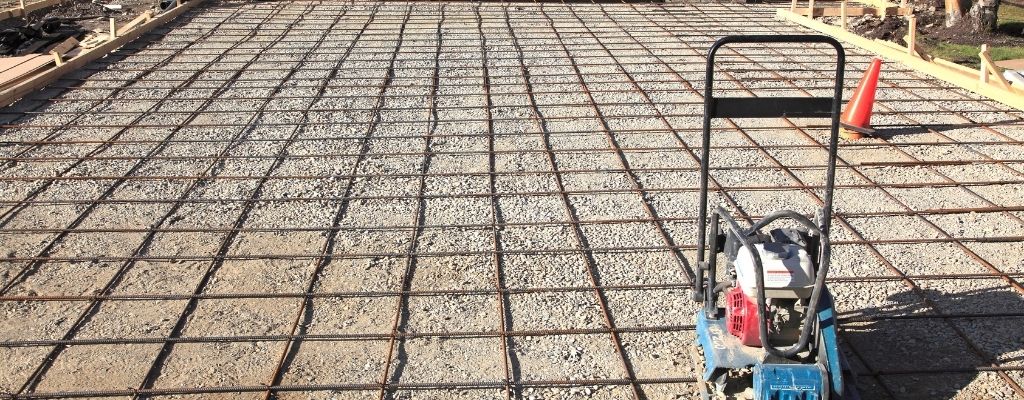
The ground preparation process can vary depending on the project, but commonly includes:
- Excavating unsuitable ground
- Removing vegetation and debris
- Levelling the area
- Installing a sub-base
- Compacting the ground
- Planning drainage
- Adding reinforcement if required
Each stage helps create the right conditions before pouring concrete.
Conclusion
Ground preparation is one of the most important parts of any concrete project. A properly prepared base helps improve strength, reduce cracking, support heavy loads and extend the lifespan of the finished surface.
Before pouring concrete, taking the time to properly prepare the ground can make a significant difference in the long-term performance and durability of the project.
How Flowmix Can Help with Your Project
Flowmix has two plants, Gloucester and Walsall. We provide the following services (with time slots):
✅ Ready-mix concrete, mix on-site (volumetric concrete)
✅ Traditional and liquid screed.
✅ Concrete line pump Hire to reduce manual labour and associated costs, increase efficiency, reduce wastage and clean up.
✅ Interlocking concrete blocks for temporary or permanent barriers.
✅ Mini-Mix loads up to 4 cubic metres.
Flowmix holds the BSA-approved Ready Mix Concrete Kitemark KM683844, a certification that “confirms a product or service’s claim has been independently and repeatedly tested by experts” (source BSI).
Flowmix Tewkesbury: Tel: 01684 217888 Flowmix Walsall: Tel: 01922 741731
Flowmix Delivery Areas
| Tewkesbury | Walsall Plant |
| Bourton-on-the-Water | Aldridge |
| Brockworth | Barton-Under-Needwood |
| Chalford | Birmingham |
| Cheltenham | Brownhills |
| Chipping Campden | Burntwood |
| Cirencester | Burton Upon Trent |
| Droitwich Spa | Cannock |
| Evesham | Coleshill |
| Gloucester | Dudley |
| Great Malvern | Great Haywood |
| Ledbury | Lichfield |
| Newent | Norton Canes |
| Northleach | Penkridge |
| Pershore | Rugeley |
| Ross-on-Wye | Stafford |
| Stow-on-the-Wold | Tamworth |
| Stroud | Walsall |
| Tewkesbury | West Bromwich |
| Worcester | Wolverhampton |