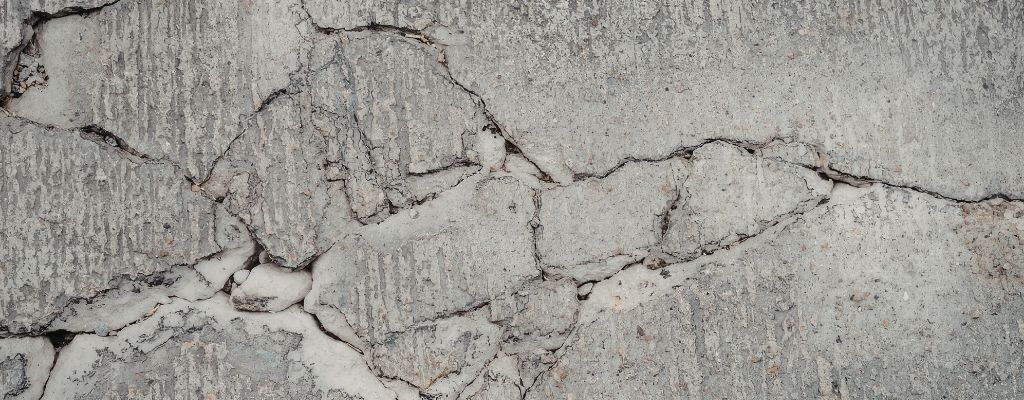
Concrete cracking is avoidable, but spotting cracks after pouring concrete is always disappointing.
It doesn’t matter whether it’s a driveway, a slab, or part of a larger build; concrete cracking always raises the same question… is this normal, or is something wrong?
Concrete cracks are common. Many are harmless but can sometimes signal costly issues. The key is identifying the cause.
✅ Order ready-mix or volumetric concrete today
✅ Free, fast quote within 24 hours
✅ Call, message or complete our simple online form
Flowmix Tewkesbury: Tel: 01684 217888 Flowmix Walsall: Tel: 01922 741731
Why Does Concrete Crack?
Concrete is strong, but it’s not flexible, and that’s the root of the problem.
As concrete dries, it shrinks. Restricted or uneven movement causes cracks, sometimes just at the surface, other times deeper.
Most cracks are harmless, but there are a few warning signs to watch for:
- Uneven or sunken areas
- Water seeping through
- Cracks that continue to expand
- Cracks wider than a few millimetres
If you notice any of these issues, it’s worth getting it checked properly.
The Most Common Causes of Concrete Cracking
#1: Shrinkage During Drying
Evaporation causes shrinkage. If concrete dries too quickly, especially in hot or windy conditions, the surface can crack.
This type of concrete cracking is usually hairline and cosmetic, but it can still be frustrating to see.
#2: Poor Ground Preparation
Without a compacted base, the ground can shift, leaving concrete unsupported and cracking under pressure.
This type of concrete cracking is more serious and often results in uneven surfaces.
#3: Too Much Water in the Mix
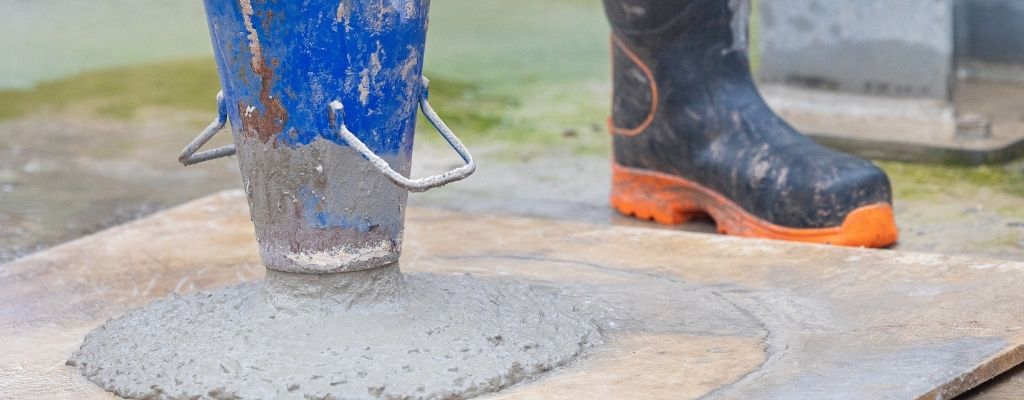
It might seem like adding more water makes concrete easier to work with, but it weakens the result. A wetter mix increases shrinkage and makes concrete cracking far more likely once it sets. Doing a slump test can help determine concrete workability.
#4: Temperature Changes
Weather conditions affect curing. Heat expands the concrete, while cold contracts it, creating stress and potential cracks.
Cracking is especially common on outdoor slabs exposed to the elements year-round.
#5: Heavy Loads and Stress
Too much weight or early use can cause deeper, structural cracks. Let concrete harden for weeks before heavy use.
#6: Poor Curing
Curing controls moisture, allowing concrete to gain strength. In hot weather, spray water. In cold, protect from elements.
If concrete curing is rushed or ignored, early concrete cracking becomes much more likely.
Need Expert Advice?
Speak to the team at Flowmix Tewkesbury, Gloucestershire or Aldridge, Walsall. We are happy to help with all your concrete requirements. Contact us by email or telephone.
Flowmix Tewkesbury: Tel: 01684 217888 Flowmix Walsall: Tel: 01922 741731
Not All Cracks Are the Same
One of the biggest misconceptions is that all cracks mean failure. They don’t.
- Hairline cracks are usually cosmetic.
- Shrinkage cracks are common and expected.
- Settlement cracks may indicate movement underneath.
- Structural cracks are wider and deeper and require attention.
The difference comes down to size, depth, and whether the crack is getting worse.
How To Prevent Concrete Cracking
The good news is that most concrete cracking can be avoided with the right approach.
#1: Start With Solid Groundwork
A well-prepared, compacted sub-base gives the concrete the support it needs. Skipping this step is where many problems begin.
#2: Use The Right Mix
Getting the mix right matters more than people think. Too much water, or the wrong type of concrete for the job, will almost always lead to issues later.
If you’re unsure of the right mix, the experienced Flowmix team are happy to advise.
Flowmix Tewkesbury: Tel: 01684 217888 Flowmix Walsall: Tel: 01922 741731
#3: Plan Control Joints
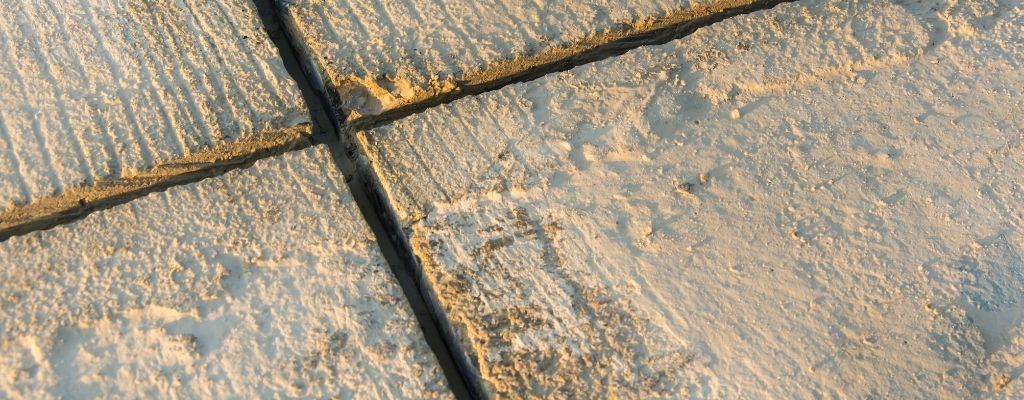
Concrete will crack at some point. Control joints provide a planned place for it, keeping cracks neat and preventing random splitting.
#4: Don’t Rush the Curing Process
Keep the surface moist, protect it from direct sun, and give it time. Proper curing massively reduces the risk of concrete cracking.
How To Stop Concrete from Cracking
Once cracks appear, what you do next depends on how serious they are.
- Small cracks can usually be filled or sealed to prevent water from entering.
- Moderate cracks may need to be routed out and repaired with specialist materials.
- Structural cracks often require professional repair, such as resin injection or stabilisation.
In some cases, where the damage is widespread, replacing the concrete is the better long-term option.
Conclusion
Concrete cracking is part of working with concrete. You’ll rarely find a slab that stays completely perfect over time.
What matters is understanding the difference between normal and problematic cracks and taking the right steps to help prevent them from occurring in the first place.
By following these steps, you’ll set your concrete projects up for long-term durability and minimise the risk of future problems.
How Flowmix Can Help with Your Project
Flowmix has two plants, Gloucester and Walsall. We provide the following services (with time slots):
✅ Ready-mix concrete, mix on-site (volumetric concrete)
✅ Traditional and liquid screed.
✅ Concrete line pump Hire to reduce manual labour and associated costs, increase efficiency, reduce wastage and clean up.
✅ Interlocking concrete blocks for temporary or permanent barriers.
✅ Mini-Mix loads up to 4 cubic metres.
Flowmix holds the BSA-approved Ready Mix Concrete Kitemark KM683844, a certification that “confirms a product or service’s claim has been independently and repeatedly tested by experts” (source BSI).
Flowmix Tewkesbury: Tel: 01684 217888 Flowmix Walsall: Tel: 01922 741731
Flowmix Delivery Areas
| Tewkesbury | Walsall Plant |
| Bourton-on-the-Water | Aldridge |
| Brockworth | Barton-Under-Needwood |
| Chalford | Birmingham |
| Cheltenham | Brownhills |
| Chipping Campden | Burntwood |
| Cirencester | Burton Upon Trent |
| Droitwich Spa | Cannock |
| Evesham | Coleshill |
| Gloucester | Dudley |
| Great Malvern | Great Haywood |
| Ledbury | Lichfield |
| Newent | Norton Canes |
| Northleach | Penkridge |
| Pershore | Rugeley |
| Ross-on-Wye | Stafford |
| Stow-on-the-Wold | Tamworth |
| Stroud | Walsall |
| Tewkesbury | West Bromwich |
| Worcester | Wolverhampton |