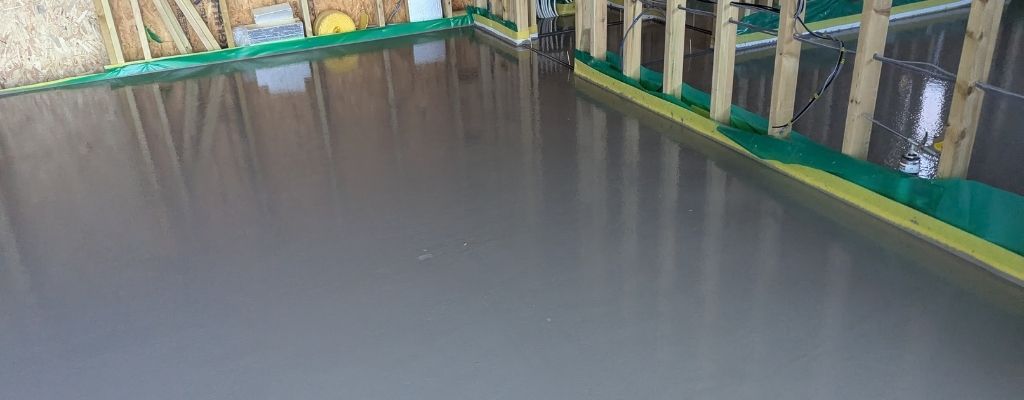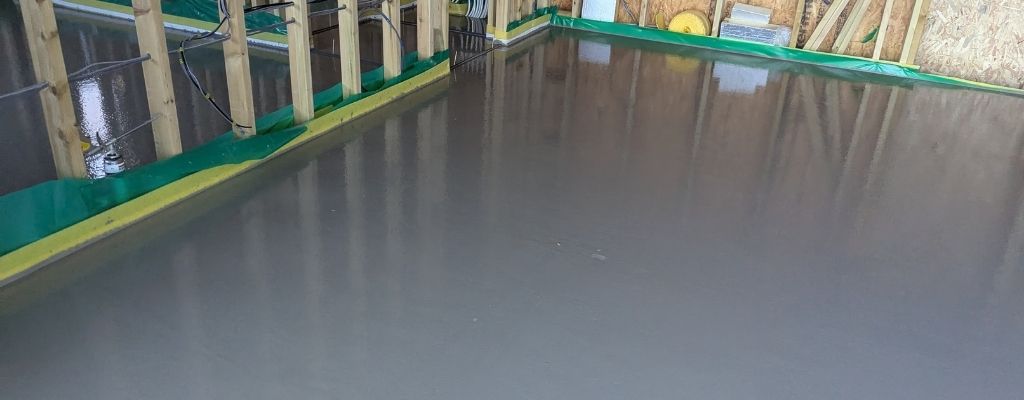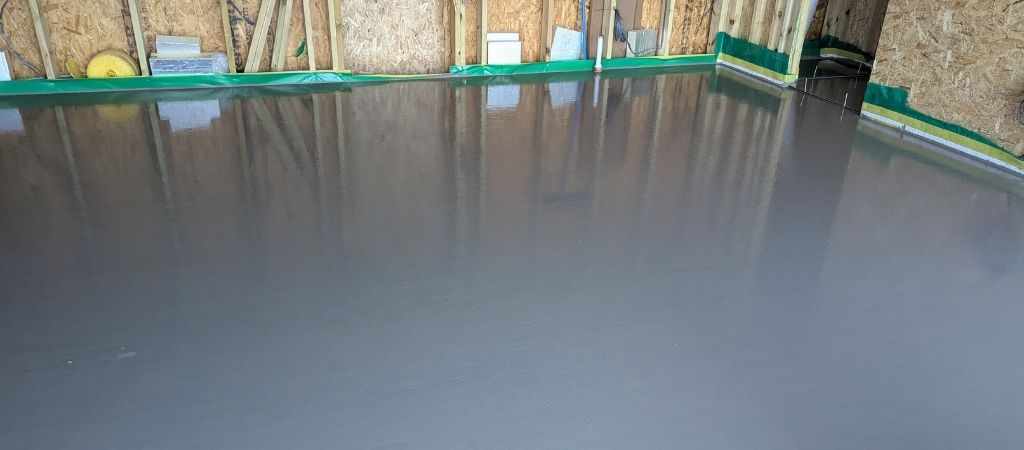

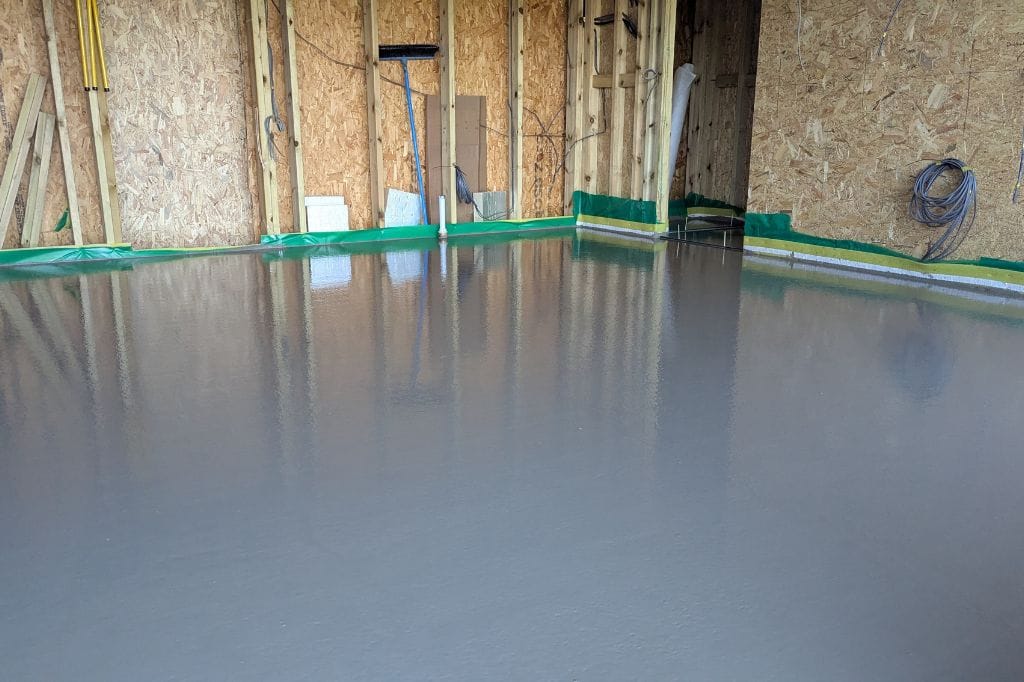
Knowing when to screed a garage floor is just as important as choosing the right materials. Get the timing wrong, and you can end up with cracking, poor bonding or a surface that doesn’t last. Get it right, and you will have a smooth, durable garage floor that stands up to vehicles, tools and daily wear.
Whether you are building a new garage or upgrading an existing one, this guide explains the best time to screed a garage floor and how Flowmix Tewkesbury or Walsall can help you achieve a long-lasting finish.
What Does It Mean to Screed a Garage Floor?
Screeding involves applying a smooth, level layer of material over a concrete base. That creates a flat, durable surface ready for use or for additional finishes.
In garages, screed is particularly important because the floor must withstand vehicle weight, temperature changes, and moisture. When you screed a garage floor correctly, it improves strength, appearance and longevity.
✅ Order traditional or liquid screed today
✅ Free, fast quote within 24 hours
✅ Call, message or complete our simple online form
Flowmix Tewkesbury: 01684 217888 Flowmix Walsall: Tel: 01922 741731
When Is the Right Time to Screed a Garage Floor?
The right time to screed a garage floor depends on preparation, conditions and the type of project. In all cases, the concrete base must be fully cured, clean and dry. Screeding too early is one of the most common causes of cracking and failure.
We always recommend assessing the base and environment before screeding to ensure the best possible result.
Screeding a Garage Floor in a New Build
For new builds, the concrete slab should be allowed to cure fully before screeding. It typically takes around 28 days. The garage should also be enclosed, with walls and roof in place, to protect the screed from rain, frost and temperature extremes.
Trying to screed a garage floor before the structure is weather-tight can lead to moisture problems and uneven curing.
Screeding a Garage Floor in an Existing Garage
If you are upgrading an existing garage, the timing depends on the condition of the current floor. It’s essential to address cracks, oil stains, dust, and old coatings first.
The best time to screed a garage floor is once repairs are complete and the surface has been thoroughly cleaned and prepared.
The Flowmix team can advise on whether resurfacing is suitable or if additional preparation is required.
How Long Before You Can Use the Garage?
Drying and curing times depend on the type of screed used. In general, light foot traffic may be possible after 24 to 48 hours, but parking vehicles usually requires a longer wait.
When you screed a garage floor with fast-drying screed, it’s possible to reduce turnaround times. Flowmix supplies a range of screeds to suit different timelines and usage requirements.
Choosing the Right Screed for a Garage Floor
Not all screeds are the same, especially for garages. Options include traditional sand-and-cement screed, fast-drying screed, and heavy-duty liquid screed designed for vehicle loads.
Flowmix supplies the following screeds:
✅ Traditional screed: A mix of sand & cement, best suited for smaller areas.
✅ Gyvlon: Free-flowing liquid screed and quick to install.
✅ Cemfloor: Self-levelling and fast-drying liquid screed.
Making the correct choice depends on the intended use of the garage and the time required to have it ready. For instance, if you’re storing an enormous tractor, you’ll need a different screed load capacity than parking your ride-on lawnmower in the garage.
Flowmix helps customers in Tewkesbury, Walsall and surrounding areas select the most suitable screed for durability and performance.
Common Mistakes to Avoid When You Screed a Garage Floor
One of the biggest mistakes is screeding onto an unprepared or damp surface. Others include using the wrong screed thickness, ignoring curing times or rushing the process.
Proper planning and professional advice can prevent these issues and ensure your garage floor performs as intended.
Weather and Temperature Considerations in the UK
Weather plays a significant role when you screed a garage floor. In the UK, cold, damp conditions can slow drying times and reduce screed strength. Very hot conditions can also cause screed to dry too quickly, leading to shrinkage.
Ideally, screeding should take place in mild, stable conditions. Flowmix plans deliveries and screeding schedules with seasonal factors in mind to reduce the risk of problems.
Why Choose Flowmix for Screed?
Flowmix has over a decade of experience supplying concrete and screed solutions across Gloucestershire and the West Midlands. With reliable 2-hour timed delivery slots, competitive pricing and expert support, we help both domestic and trade customers get the timing and materials right.
If you are planning to screed a garage floor, Flowmix can advise on preparation, screed choice and scheduling for a durable, high-quality finish.
How Flowmix Can Help With Your Project
Flowmix has two plants, Gloucester and Walsall. We provide the following services (with time slots):
✅ Ready-mix concrete, mix on-site (volumetric concrete)
✅ Traditional and liquid screed.
✅ Concrete line pump Hire to reduce manual labour and associated costs, increase efficiency, reduce wastage and clean up.
✅ Interlocking concrete blocks for temporary or permanent barriers.
✅ Mini-Mix loads up to 4 cubic metres.
Flowmix holds the BSA-approved Ready Mix Concrete Kitemark KM683844, a certification that “confirms a product or service’s claim has been independently and repeatedly tested by experts” (source BSI).
Flowmix Tewkesbury: 01684 217888 Flowmix Walsall: Tel: 01922 741731
Flowmix Delivery Areas
| Tewkesbury Area | Walsall Area |
| Bourton-on-the-Water | Aldridge |
| Brockworth | Barton-Under-Needwood |
| Chalford | Birmingham |
| Cheltenham | Brownhills |
| Chipping Campden | Burntwood |
| Cirencester | Burton Upon Trent |
| Droitwich Spa | Cannock |
| Evesham | Coleshill |
| Gloucester | Dudley |
| Great Malvern | Great Haywood |
| Ledbury | Lichfield |
| Newent | Norton Canes |
| Northleach | Penkridge |
| Pershore | Rugeley |
| Ross-on-Wye | Stafford |
| Stow-on-the-Wold | Tamworth |
| Stroud | Walsall |
| Tewkesbury | West Bromwich |
| Worcester | Wolverhampton |