When most people think of concrete barriers, what usually comes to mind is their role in redirecting traffic or dividing lanes on busy roads. However, there’s a lot more to these sturdy structures than meets the eye. Often overlooked, concrete barriers are ideally suited for safety, versatility, and durability.
So, what is a concrete barrier, exactly? It’s a heavy-duty, precast concrete structure built to resist impact, control flow—whether of vehicles, people, or water—and create defined boundaries.
While their use in road safety is well known, concrete benefits go far beyond traffic management. These barriers have many uses, from construction sites to public events and flood prevention.
Throughout this article, we will explore the surprising benefits of concrete barriers.
✅ Order interlocking concrete blocks today
✅ Free, fast quote within 24 hours
✅ Call, message or complete our simple online form
Flowmix Tewkesbury: Tel: 01684 217888 Flowmix Walsall: Tel: 01922 741731
Benefit #1: Superior Safety for Vehicles and Pedestrians
Concrete barriers have long been relied on across roads, motorways, and construction zones to enhance safety. By creating a physical separation between traffic lanes and pedestrian pathways and preventing accidents. Their solid, immovable design ensures that when a car veers off course, it gets redirected rather than crossing into oncoming traffic or pedestrian zones.
In high-risk areas such as school zones, city centres, and large event venues, the importance of these structures becomes even more apparent. Their presence offers peace of mind and is a visible deterrent, encouraging drivers to remain vigilant.
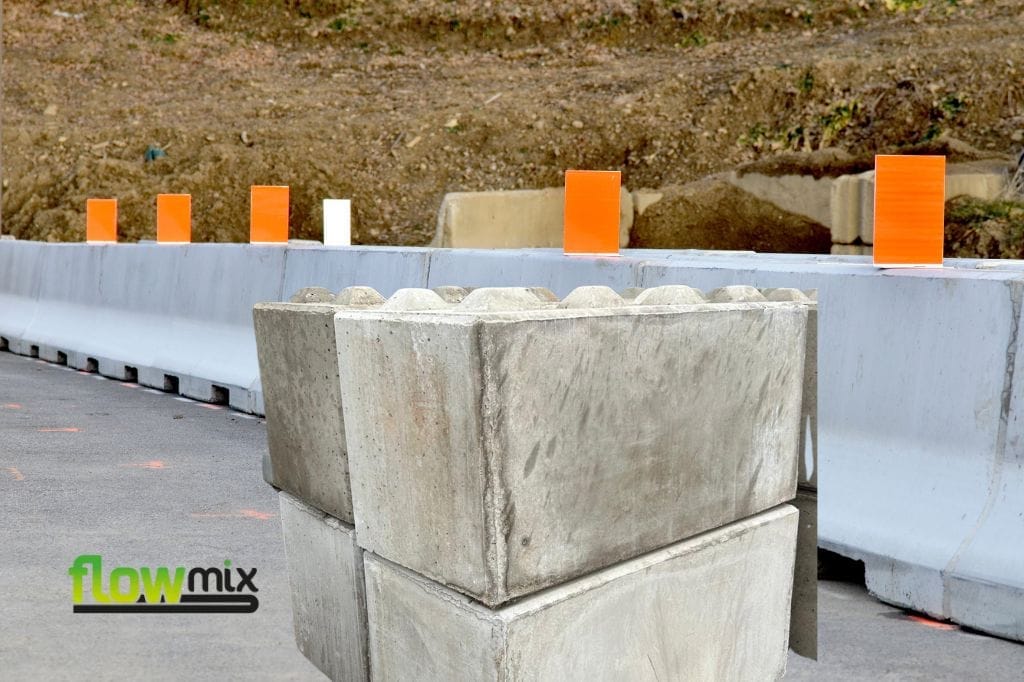
Interlocking concrete barriers are particularly effective because they are engineered to connect seamlessly and form extended protective lines. These barriers are often used in motorway projects and around temporary roadworks, offering both safety and flexibility in layout.
Benefit #2: Noise Reduction in Urban Areas
While most commonly associated with traffic control, concrete barriers are a practical solution for urban noise pollution. In busy residential areas near motorways, railways, or industrial zones, high sound levels can negatively impact daily life. Fortunately, the mass and density of barriers made from concrete allow them to act as highly effective sound buffers.
By absorbing and deflecting sound waves, these structures reduce the noise that reaches homes, schools, and workplaces.
Whether installed permanently or used as temporary infrastructure, these barriers contribute to a quieter, more comfortable environment, making them an unexpected yet highly valued feature in urban planning.
Ready to Order Interlocking Concrete Blocks?
If you are ready to order a delivery of interlocking concrete blocks for your event, speak to the team at Flowmix Tewkesbury or Walsall. We will help you select the right blocks and quantities and arrange for fast delivery to your site.
Flowmix Tewkesbury: 01684 217888 Flowmix Walsall: Tel: 01922 741731
Benefit #3: Enhanced Security and Anti-Terrorism Measures
In an increasingly security-conscious world, concrete barriers are becoming popular for improving measures to protect people and property. Their sheer weight and strength make them ideal for creating controlled access points, preventing unauthorised vehicle entry, and safeguarding high-risk areas from potential threats.
Above all, that means they are ideal for government buildings, embassies, airports, and even shopping centres. These barriers can deter intentional attacks such as ram-raiding or vehicular assaults and manage the safe flow of vehicles and pedestrians in busy areas.
One of the main advantages of concrete barriers in construction and security planning is their dual purpose. They provide physical protection while also acting as a visible symbol of security, helping people feel safer in public spaces.
Benefit #4: Environmental Benefits (Yes, Really!)
It might come as a surprise, but barriers made from concrete offer several environmental advantages compared to alternative materials. Due to their durability and long lifespan, they are often reused across multiple sites, reducing the need for continuous production and minimising waste.
Additionally, many types of concrete barriers are manufactured using recycled aggregates or industrial by-products, such as fly ash, which reduces the demand for virgin materials. This process not only lowers the environmental impact of production but also diverts waste from landfills.
Another benefit lies in the energy efficiency of their lifecycle. Unlike plastic or lightweight metal barriers, which often require frequent replacement due to weathering or damage, these barriers can remain in service for decades with minimal maintenance.
This longevity significantly reduces the carbon footprint associated with transportation, repairs, and disposal.
Need Expert Advice?
Speak to the team at Flowmix Tewkesbury or Walsall. We are happy to help with all your concrete requirements.
Flowmix Tewkesbury: 01684 217888 Flowmix Walsall: Tel: 01922 741731
Benefit #5: Customisation & Aesthetic Appeal
Traditionally seen as purely functional, concrete barriers can be adapted to suit aesthetic and branding needs. While their primary role remains safety and control, it’s possible to customise these robust structures to complement their surroundings, especially in urban environments and commercial spaces.
The barriers can blend into architectural designs or make a visual statement through the use of colour, texture, and shape. In public areas such as shopping centres, parks, or outdoor dining zones, barriers are painted, stencilled, or stamped with decorative patterns to soften their industrial appearance.
Benefit #6: Crowd Control for Events & Public Gatherings
Effective crowd control is essential during large-scale events, public gatherings, and festivals. In these situations, concrete barriers help establish clear boundaries, guide pedestrian flow, and protect attendees from nearby vehicle traffic.
Unlike lightweight fencing or temporary signage, concrete barriers provide physical protection that is difficult to bypass. Their solid construction ensures they remain in place, even in heavy crowds or accidental contact. Whether deployed around stadiums, concert venues, or community events, they are a protective shield and an organisational tool.
One of the key advantages of concrete barriers in construction and events is their adaptability. Interlocking concrete barriers can be positioned quickly and connected into long runs to create designated entry and exit points.
Benefit #7: Flood and Erosion Control
Though not always the first solution that comes to mind, concrete barriers have increasingly been used in the fight against flooding and soil erosion. Their weight, height, and stability make them ideal for forming temporary or permanent defences in vulnerable areas, particularly near rivers, coastal zones, and construction sites with drainage concerns.
When heavy rain or rising water levels could lead to flooding, rapid deployment of the barriers can redirect water flow or create containment zones. Compared to sandbags or plastic alternatives, these structures offer greater resistance to water pressure and are far less likely to shift or collapse under strain.
Certain types of concrete barriers are ideal for environmental applications, including those with channels or drainage systems to help manage runoff. Construction sites often use these barriers to prevent sediment from washing into nearby drains or waterways, assisting developers to meet environmental regulations.
Additionally, they can help stabilise soil in areas prone to erosion, protecting infrastructure and preserving land. Their long-term use in agricultural and rural settings has demonstrated how versatile and reliable concrete barriers can be
Concrete Block Sizes
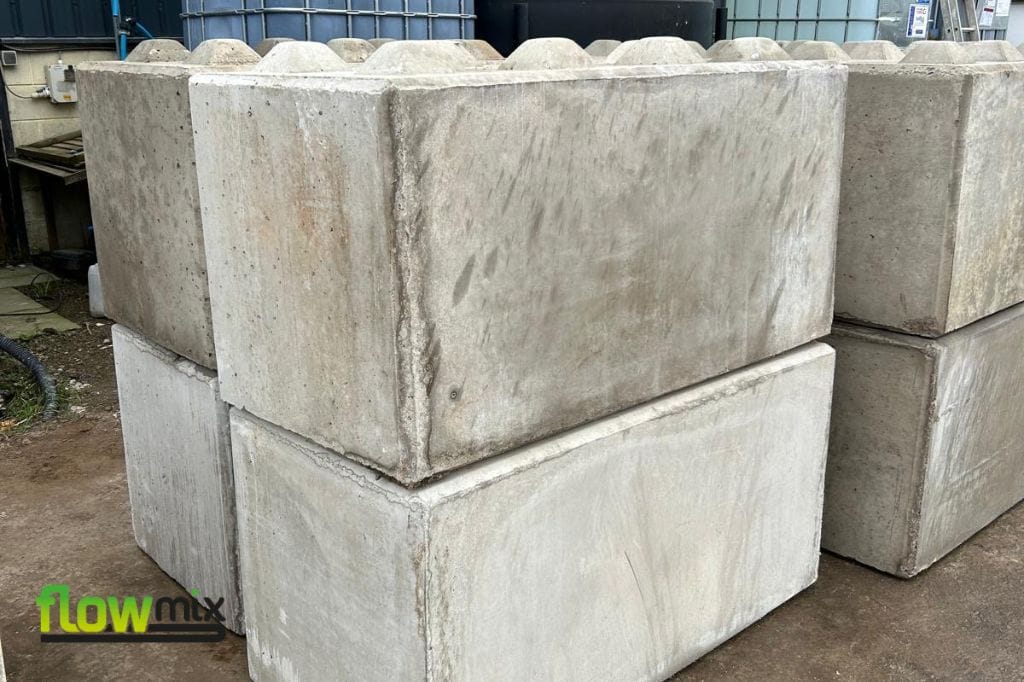
Flowmix provides two sizes of interlocking concrete blocks:
✅1600 x 800 x 800mm
✅800 x 800 x 800mm
Contact us for advice:
Flowmix Tewkesbury: 01684 217888 Flowmix Walsall: Tel: 01922 741731
Conclusion: More Than Just a Roadside Feature
Often overlooked or dismissed as purely functional, concrete barriers have proven to be much more than blocks of reinforced concrete lining the side of a road. The true strength of these barriers lies in their versatility.
These structures have quietly become essential across various industries and environments, from improving road safety and reducing noise to offering flood protection and aesthetic value.
Whether used for managing crowds, securing high-risk areas, or supporting environmental efforts, they consistently deliver long-lasting, low-maintenance solutions.
How Flowmix Can Help With Your Project
Flowmix has two plants, Gloucester and Walsall. We provide the following services (with time slots):
- Ready-mix concrete, mix on-site (volumetric) and liquid screed.
- Traditional (dry) screed
- Concrete line pump Hire to reduce manual labour and associated costs, increase efficiency, reduce wastage and clean up.
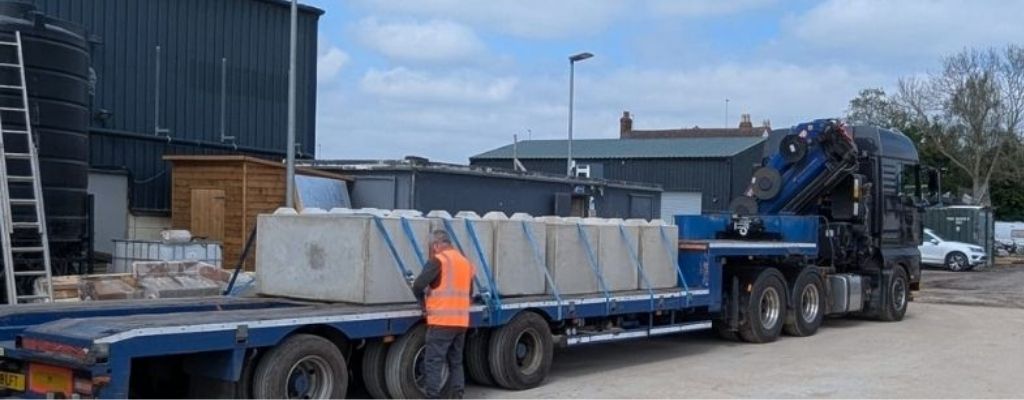
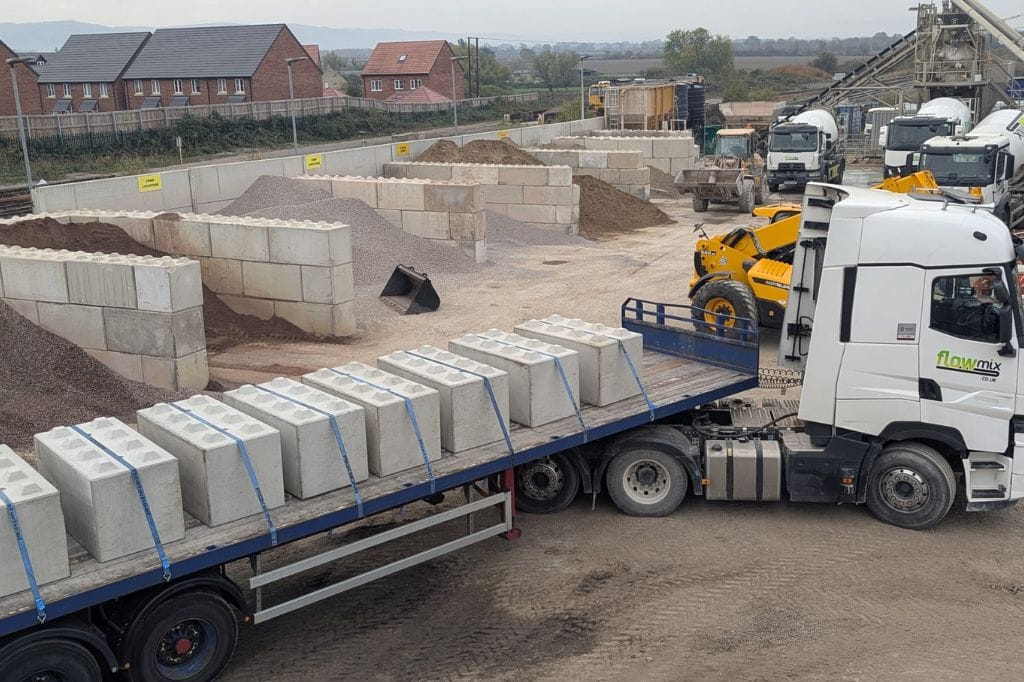
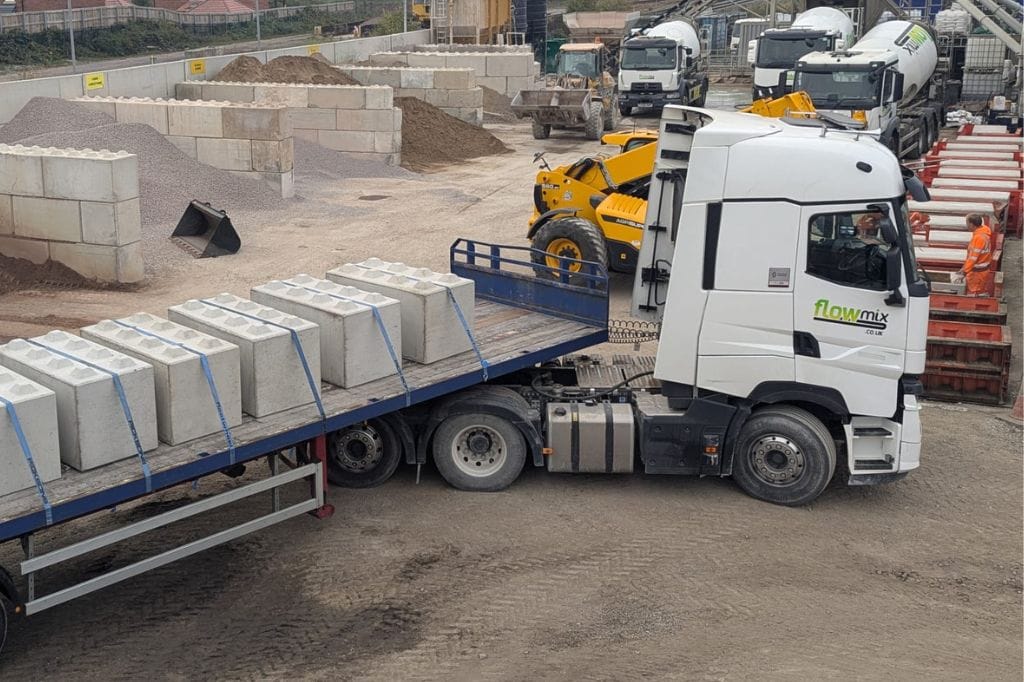
- Interlocking concrete blocks for temporary or permanent barriers.
- Mini-Mix loads up to 4 cubic metres.
Flowmix has the BSA-approved Ready Mix Concrete Kitemark KM683844, a certification that “confirms a product or service’s claim has been independently and repeatedly tested by experts” (source BSI).
Flowmix Tewkesbury: 01684 217888 Flowmix Walsall: Tel: 01922 741731
Flowmix Delivery Areas
| Tewkesbury | Walsall Plant |
| Bourton-on-the-Water | Aldridge |
| Brockworth | Barton-Under-Needwood |
| Chalford | Birmingham |
| Cheltenham | Brownhills |
| Chipping Campden | Burntwood |
| Cirencester | Burton Upon Trent |
| Droitwich Spa | Cannock |
| Evesham | Coleshill |
| Gloucester | Dudley |
| Great Malvern | Great Haywood |
| Ledbury | Lichfield |
| Newent | Norton Canes |
| Northleach | Penkridge |
| Pershore | Rugeley |
| Ross-on-Wye | Stafford |
| Stow-on-the-Wold | Tamworth |
| Stroud | Walsall |
| Tewkesbury | West Bromwich |
| Worcester | Wolverhampton |